Pune's Agricultural Crisis: 65% of Kharif Acreage Wiped Out
Pune district has suffered a catastrophic loss of 65% of its kharif crop acreage, with over 3.18 lakh hectares of farmland destroyed. This agricultural disaster threatens the livelihoods of thousands of farmers and poses a significant challenge to the region's food security.
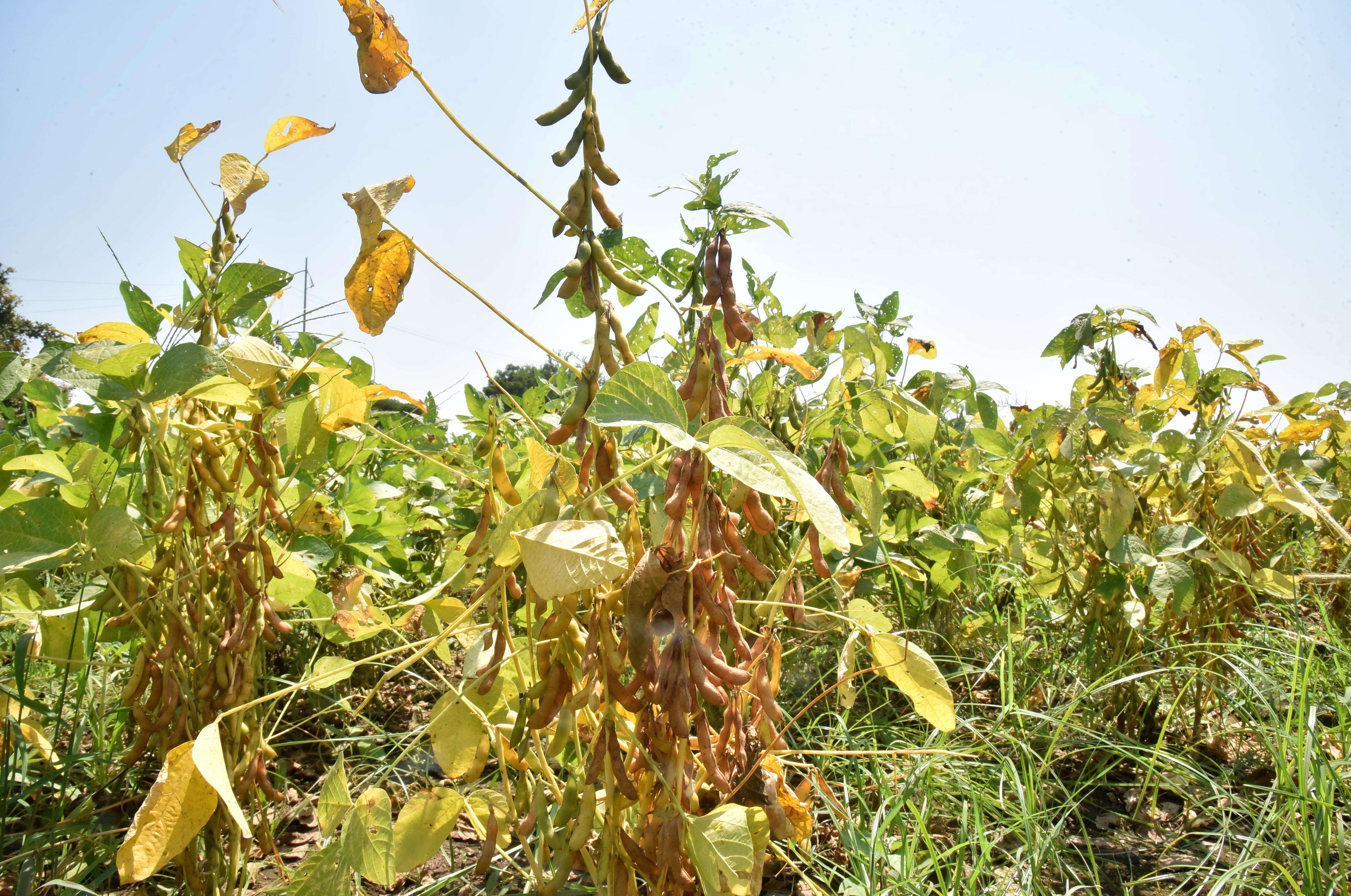
The devastation of Pune's kharif crops represents a severe blow to the agricultural sector in the region. With 65% of the acreage damaged and over 3.18 lakh hectares of farmland lost, the impact on local farmers is profound. The loss of crops not only affects their immediate income but also threatens their long-term sustainability, as many farmers rely on these harvests to repay loans and invest in the next season. The scale of the damage underscores the vulnerability of the region's agricultural practices to climate-related events.
The underlying tension in this crisis is exacerbated by the lack of adequate insurance coverage and support systems for small and marginal farmers. Many farmers in Pune are unable to afford comprehensive crop insurance, leaving them exposed to the financial risks of natural disasters. The incident highlights the need for a more robust agricultural safety net, including better access to insurance, timely relief measures, and investment in climate-resilient farming techniques.
The downstream consequences of this agricultural crisis will likely lead to increased food prices in the region, as the supply of local produce decreases. This may also result in a migration of labor from rural to urban areas, as farmers seek alternative sources of income. The incident may prompt the government to review its agricultural policies and invest in infrastructure that can mitigate the impact of future climate-related events, such as improved irrigation systems and weather forecasting services.
Comments 0