Pune's Air Quality Crisis Traps Residents in a Cycle of Respiratory Distress
Residents of Pune are forced to seal their homes and battle chronic respiratory issues as air quality deteriorates to hazardous levels. This environmental emergency is not a temporary blip but a systemic failure that is eroding the quality of life and public health in one of India's major urban centers.
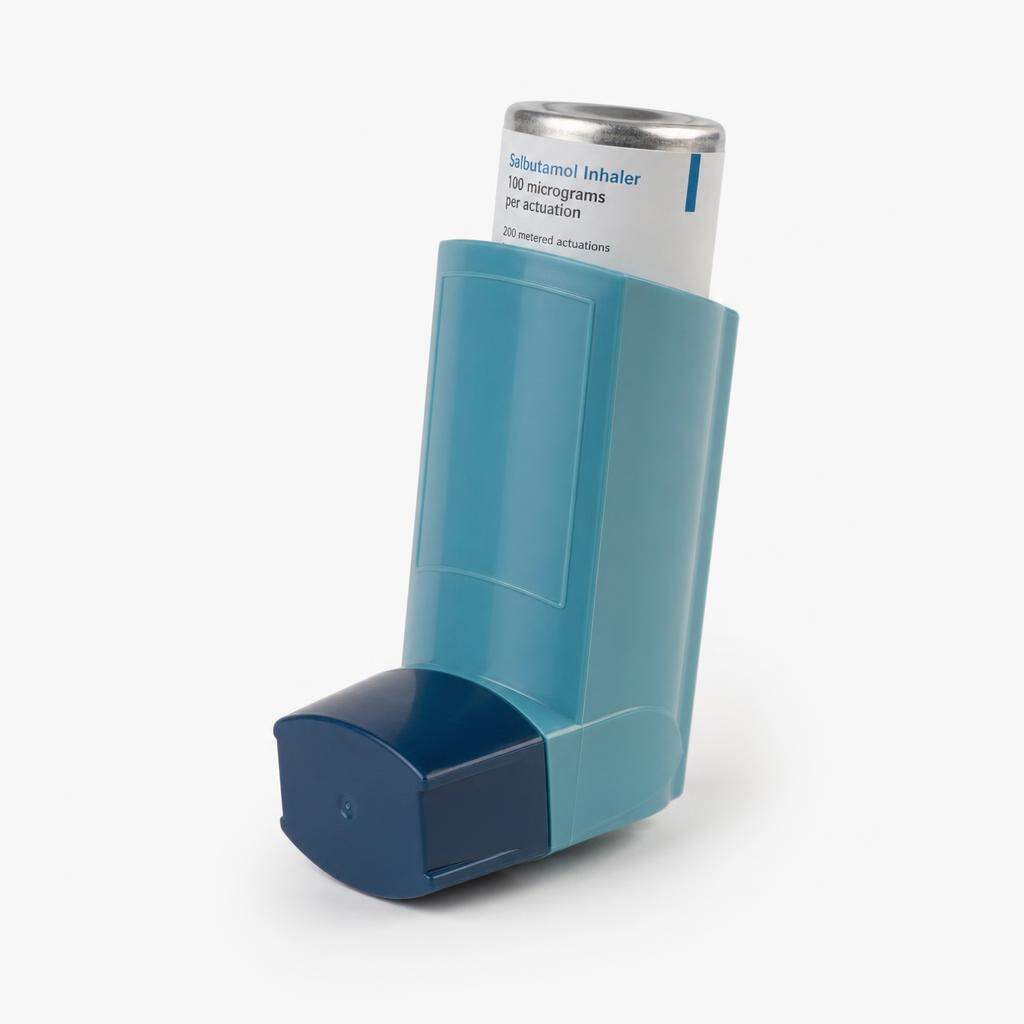
The concrete rupture in daily life for Pune's residents is the necessity to keep windows shut and mops floors twice a day to combat the pervasive dust and pollution. This is not a matter of preference but of survival, as the air quality has reached levels that trigger allergic coughs and asthma attacks. The immediate shockwave is the transformation of homes into sealed, sterile environments, where the simple act of opening a window becomes a health risk. This has created a new normal for the city's inhabitants, who must now plan their lives around the timing of air quality fluctuations, effectively losing their connection to the outside world.
The underlying tension is the failure of urban planning and environmental regulation to keep pace with the city's rapid growth. The sources of pollution, ranging from construction sites to vehicle emissions, are not being adequately controlled, leading to a cumulative effect that is now reaching a crisis point. This institutional friction is compounded by the lack of effective enforcement of existing laws and the absence of a comprehensive strategy to reduce emissions. The result is a situation where the government is reactive rather than proactive, addressing the symptoms of the problem rather than its root causes.
The downstream casualties are the public health of the city's residents, particularly the vulnerable populations such as children, the elderly, and those with pre-existing respiratory conditions. The long-term exposure to poor air quality is leading to a rise in chronic diseases, placing a significant burden on the healthcare system. The tangible outcome is a decline in the quality of life, as residents are forced to spend more time indoors and incur additional costs for air purifiers and medical treatment. This crisis also has economic implications, as the city's reputation as a livable place is damaged, potentially affecting its ability to attract talent and investment.
Comments 0