Pune's Chilly Morning: Health Impacts of Temperature Swings
Pune recorded its coolest October morning in two years at 14.9°C, prompting health warnings about the effects of sharp day-night temperature differences. Doctors are advising residents to take precautions, as the sudden drop in temperature can exacerbate respiratory and cardiovascular conditions.
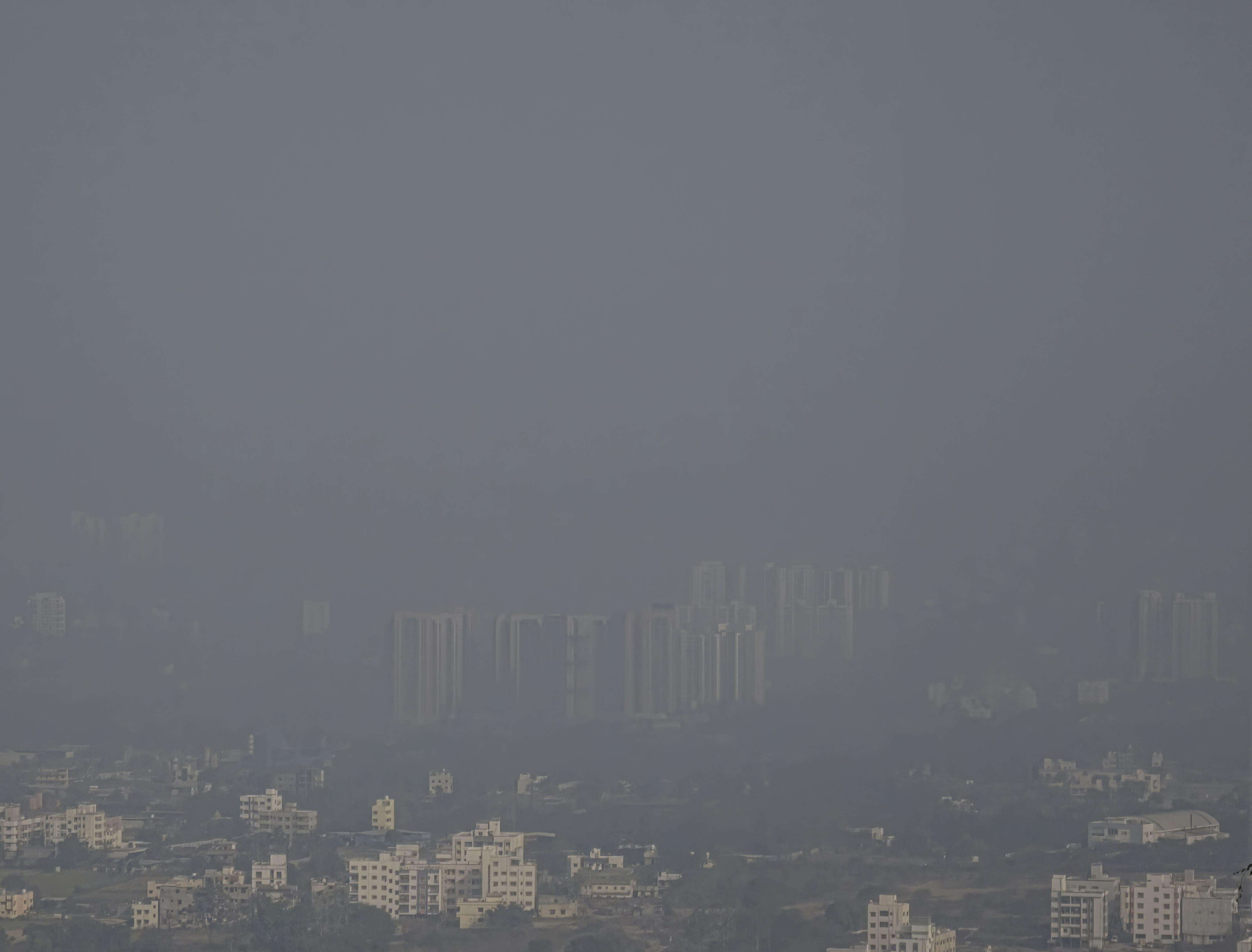
The concrete rupture in the seasonal norm is the unexpected chill that has gripped Pune, with temperatures dropping to 14.9°C. This is a significant deviation from the typical October weather, which is usually mild and pleasant. The immediate shockwave is a surge in consultations for respiratory ailments, as the cold air triggers asthma and bronchitis in vulnerable populations. The city's healthcare system is bracing for an increase in patient admissions, particularly among the elderly and those with pre-existing conditions.
The underlying tension is the lack of preparedness for such sudden weather shifts. The city's infrastructure is not designed to handle rapid temperature changes, and many residents are unaccustomed to the need for heavy clothing in October. The institutional friction is evident in the public health messaging, which has been reactive rather than proactive. The meteorological department's forecasts have been accurate, but the public's response has been slow, leading to a gap in preventive care.
The downstream casualties are the most vulnerable segments of the population, who are least able to afford the medical costs associated with cold-related illnesses. The tangible outcome is a strain on the healthcare system, which is already under pressure from other seasonal diseases. The long-term consequence is a greater emphasis on climate resilience in urban planning, as cities like Pune become more susceptible to extreme weather events due to climate change.
Comments 0