Punjab activist's postmortem conducted after 26 days; father continues hunger strike
The postmortem of anti-drug activist Parvinder Singh Jhota was conducted 26 days after his death, prompting his father to refuse to end his hunger strike. This delay has raised serious questions about the transparency and accountability of the investigation.
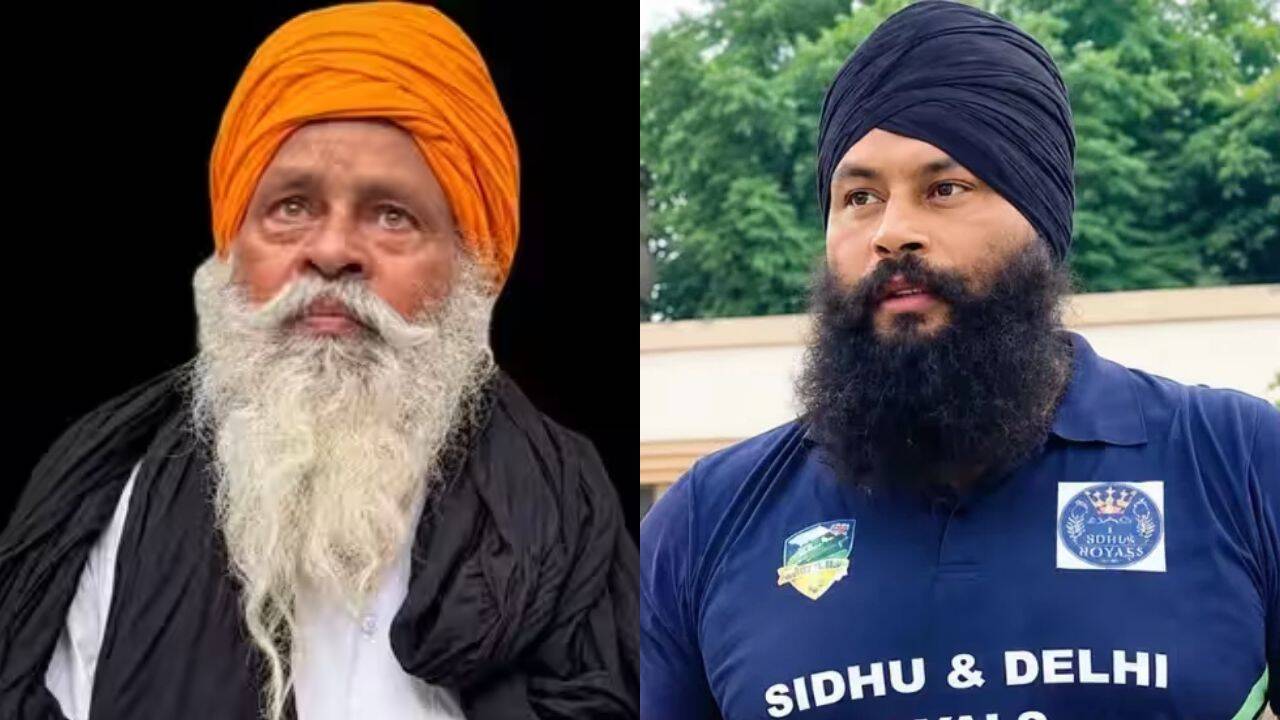
The postmortem of anti-drug activist Parvinder Singh Jhota was conducted 26 days after his death, a delay that has sparked outrage and raised serious questions about the integrity of the investigation. Jhota's father, who has been on a hunger strike to demand justice, has refused to end his fast until the authorities provide a clear explanation for the delay. The incident has drawn attention to the challenges faced by activists in Punjab, where drug-related issues have become a significant source of social and political tension.
The underlying tension in this case is rooted in the broader context of drug abuse in Punjab, which has been a persistent problem for decades. Activists like Jhota have been at the forefront of the fight against drug trafficking and consumption, often facing threats and violence from powerful networks. The delay in the postmortem has fueled suspicions of a cover-up and has eroded public trust in the authorities' ability to handle such cases with transparency and accountability. This incident highlights the need for stronger mechanisms to protect activists and ensure that their deaths are investigated thoroughly and impartially.
The downstream consequences of this case will be felt in the ongoing struggle against drug abuse in Punjab, as it may embolden other activists to continue their efforts despite the risks. The incident has also drawn national attention to the issue, potentially leading to increased pressure on the state government to take decisive action against drug trafficking networks. The outcome of the investigation will be closely watched, as it will set a precedent for how such cases are handled in the future and could have broader implications for the rights of activists in India.
Comments 0