Punjab and Haryana High Court Tightens Rules on Facebook Page Blocking
The Punjab and Haryana High Court has ruled that police intimation for blocking Facebook pages must originate from a DIG or higher rank. This decision curbs the power of lower-ranking officers to act as delegates, aiming to prevent arbitrary censorship and ensure due process in digital content moderation.
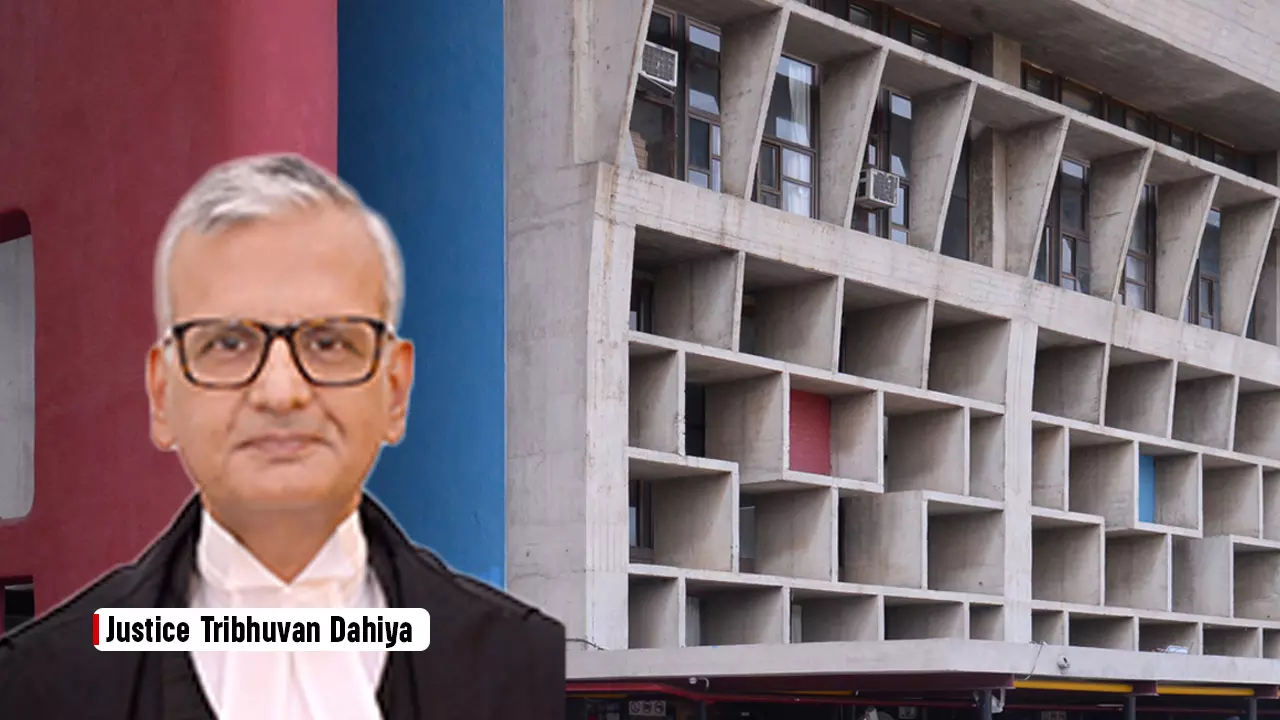
In a significant ruling for digital rights in India, the Punjab and Haryana High Court has imposed stricter procedural requirements for the blocking of Facebook pages. The court held that the intimation from the police to the intermediary must come from a Director General of Police or a rank above, effectively removing the authority from Senior Police Inspectors to act as delegates. This move is a direct response to concerns about the misuse of blocking powers for political or personal vendettas.
The underlying tension in this area of law is the balance between the state's interest in maintaining public order and the individual's right to free expression. The court's decision reflects a growing judicial skepticism toward the broad discretion granted to lower-ranking officials in the digital sphere. It acknowledges that the power to silence online speech is a potent tool that must be wielded with caution and accountability.
The downstream consequence of this ruling is a higher bar for the government to justify the blocking of online content, which will likely lead to a reduction in arbitrary takedowns. It also sets a precedent that other high courts may follow, potentially creating a uniform standard for digital content moderation across India. For social media platforms, this ruling provides clearer guidelines on the level of authority required to act on blocking requests, reducing the risk of legal liability for complying with lower-level orders.
Comments 0