Punjab Congress Navigates Complex Demographic Realignment
Internal party calculations in Punjab face a delicate balancing act between Jat Sikh political dominance and growing urban Hindu voter alienation. Strategic realignments threaten to disrupt traditional electoral equations ahead of upcoming legislative contests.
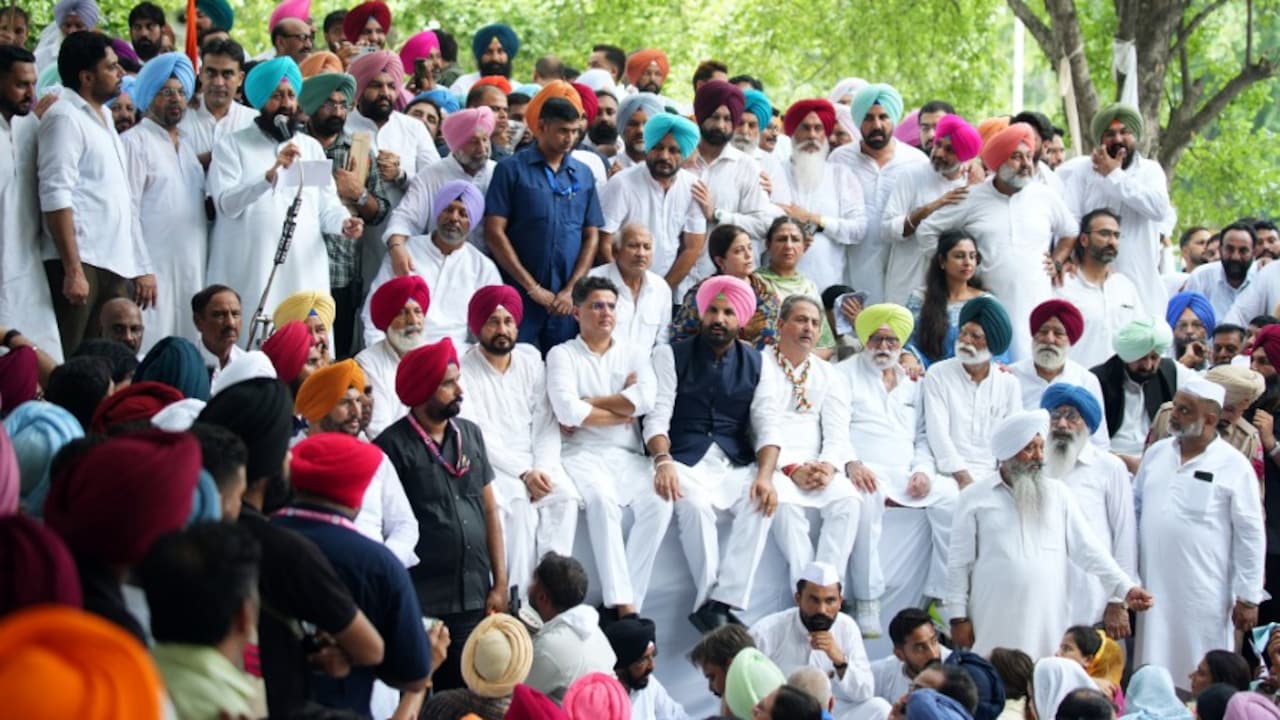
Political strategists within the Punjab unit of the principal opposition party find themselves ensnared in a classic demographic dilemma regarding leadership optics and candidate selection. Historically reliant on a dominant Jat Sikh voter base combined with urban commercial support, party organizers are debating whether to pivot leadership roles toward urban Hindu figures to capture shifting electoral segments. Critics within the regional apparatus warn that such a realignment risks alienating traditional rural constituencies who view the shift as a dilution of core representation. The strategic soul-searching reflects broader demographic shifts and voter fatigue with traditional identity-based politics in the border state. Urban centers have exhibited increasing volatility in voting patterns, influenced by economic grievances, agricultural policy discontent, and shifting youth aspirations. Party elders remain divided over whether pragmatic arithmetic can override deeply entrenched social hierarchies that have defined Punjabi politics for decades. The resulting indecision has paralyzed candidate recruitment drives and slowed down grassroots campaign preparations across several key constituencies. Rival political outfits are actively exploiting these internal divisions, attempting to woo alienated factions with targeted socio-economic promises. The party's final choice of leadership configuration will dictate its electoral viability across both agrarian heartlands and urban trading hubs.
Comments 0