Punjab Farmers Demand MSP Law and US Trade Deal Reversal on Protest Anniversary
On the sixth anniversary of the farmers' agitation, the Samyukta Kisan Morcha has renewed its demand for a legal guarantee on Minimum Support Price and the scrapping of the US trade deal. The movement's persistence signals that agricultural distress in Punjab remains a potent political force, challenging the central government's economic policies.
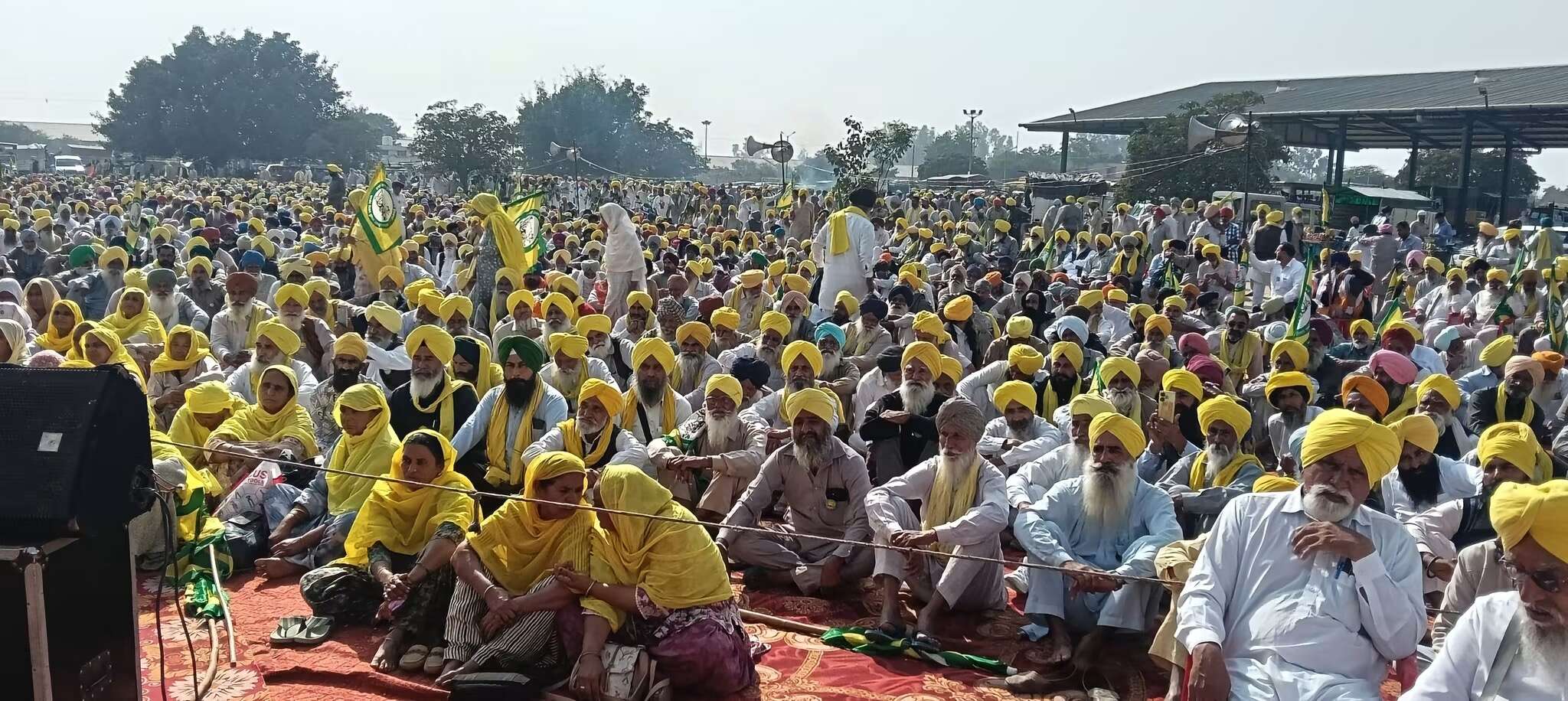
The farmers' movement in Punjab has entered its sixth year without a definitive resolution, a to the depth of the agrarian crisis in the state. The Samyukta Kisan Morcha, the umbrella body of the movement, has marked the anniversary by pressing for two key demands: a legal guarantee on the Minimum Support Price (MSP) for crops and the reversal of the trade deal with the United States. These demands are not merely economic; they are political, reflecting the farmers' fear of being marginalized in a globalized market. The movement's ability to sustain its pressure for six years is a significant achievement, indicating a high level of organization and commitment among the farmers. The anniversary serves as a reminder of the unresolved issues that continue to plague the agricultural sector in Punjab.
The underlying tension is rooted in the structural changes in the global agricultural market and the impact of trade agreements on domestic farmers. The US trade deal, in particular, has been criticized for opening up the Indian market to cheaper American agricultural products, which could undercut local farmers. The demand for an MSP law is a response to the government's failure to provide a stable and predictable income for farmers. This institutional friction is exacerbated by the political dynamics in Punjab, where the farmers' movement has become a significant force in local and national politics. The movement's persistence has forced the government to engage with the farmers, but a lasting solution remains elusive.
The tangible outcome of the movement is a sustained pressure on the central government to address the agrarian crisis. The downstream impact is a potential shift in agricultural policy, with a greater emphasis on protecting domestic farmers from global market forces. For the next twelve months, the movement is likely to remain a significant political force, with the potential to influence national elections and policy decisions. The resolution of the farmers' demands will be a critical test of the government's ability to balance economic liberalization with social justice, and the outcome will have far-reaching implications for the future of agriculture in India.
Comments 0