Punjab Hospital Tragedy Highlights Acute Security and Mental Health Lapses
A suspect fleeing a hospital ward with a patient's mobile phone died after plunging from the third floor of a Sonipat medical facility. The incident exposes glaring security vulnerabilities and acute crisis management failures within regional healthcare institutions.
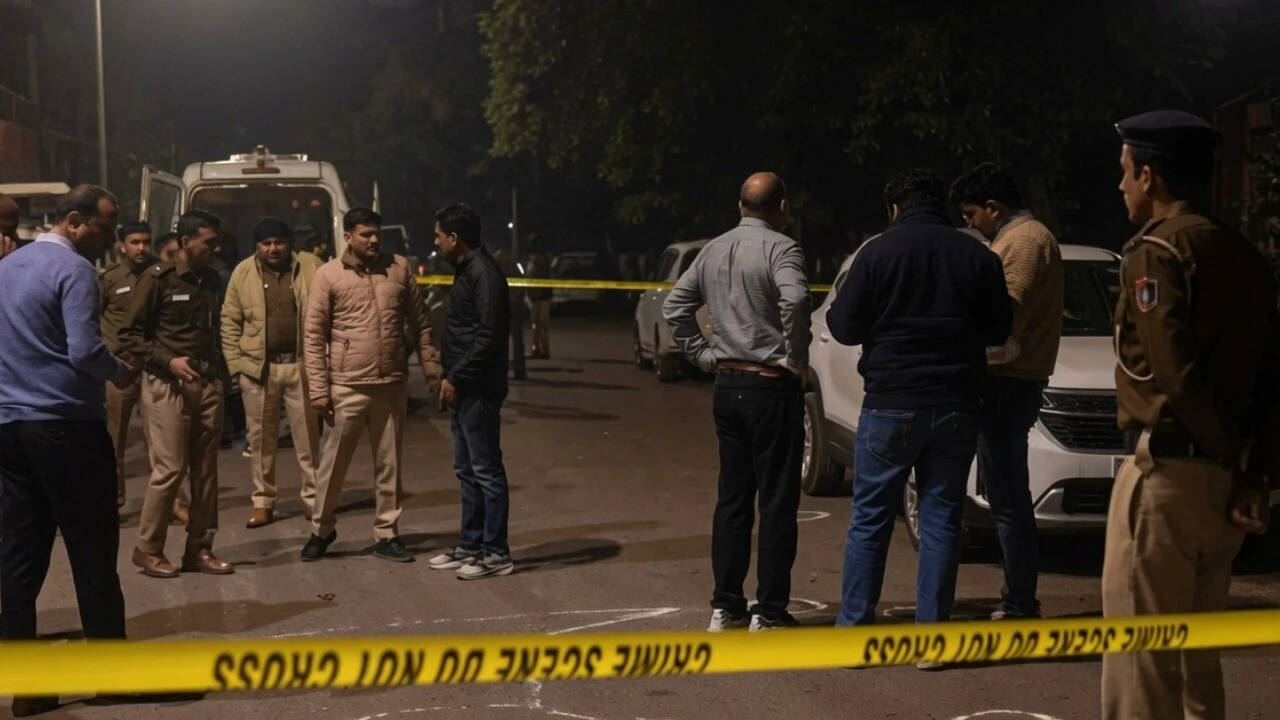
A routine theft inside a Sonipat hospital escalated into a fatal outcome when a fleeing suspect jumped from a third-story balcony to evade capture. The incident lays bare the porous security apparatus characteristic of public and semi-private healthcare institutions across northern administrative districts. Hospital wards, designed to facilitate open clinical access, frequently lack baseline surveillance and controlled entry points, rendering patients vulnerable to opportunistic theft. Institutional friction between administrative management and private security contractors often results in poorly trained personnel reacting unpredictably to petty crimes. Police investigations into the fatality highlighted the absence of standardized protocols for detaining suspects without escalating situations into panic. Medical staff found themselves caught between patient care responsibilities and managing chaotic security breaches within clinical spaces. N Downstream casualties include heightened psychological distress for recovering patients witness to the chaos and increased liability exposure for hospital management. Regulators are expected to mandate stricter visitor access controls and enhanced security audits across regional medical facilities. The event underscores the urgent necessity of separating security enforcement from medical care delivery environments.
Comments 0