Punjab MP Amritpal Singh Granted Brief Custody Parole for Grandmother’s Cremation
A Delhi High Court granted a three‑hour parole to MP Amritpal Singh, allowing limited attendance at his grandmother’s rites under police escort. The decision balances humanitarian concerns with security fears amid ongoing controversy over his detention.
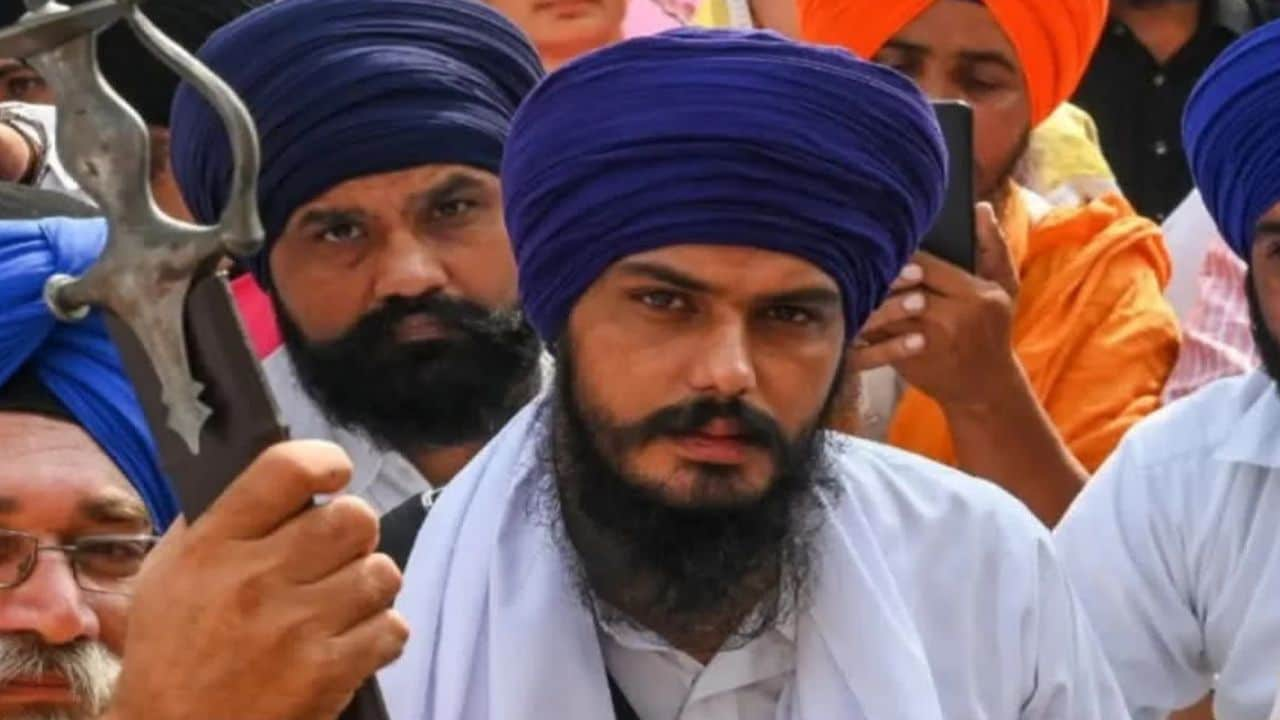
The Delhi High Court, acting on a petition filed by the family of Amritpal Singh, a Member of Parliament from Punjab, authorized a three‑hour custodial parole on November 18 to allow the legislator to attend his grandmother’s cremation rites in his native village. The court stipulated that Singh must remain under police escort at all times and prohibited his presence at any subsequent ceremonial gatherings, citing apprehensions about potential public disorder. The decision, delivered amid a flurry of media coverage, underscores the judiciary’s willingness to balance humanitarian considerations with the state’s security imperatives.
Singh’s incarceration stems from a series of allegations linking him to extremist activities and incitement of communal tensions, charges that have kept him behind bars since his arrest earlier this year. His supporters view the detention as politically motivated, arguing that the ruling party seeks to silence a vocal critic of central policies, while government officials maintain that the measures are necessary to preserve law and order in a region already sensitive to sectarian flare‑ups. The brief parole has reignited debates over the use of preventive detention statutes and the extent to which elected representatives can be deprived of liberty.
The episode is likely to reverberate through Punjab’s electoral , where Singh commands a substantial following among youth and agrarian communities. A sympathetic narrative of a grieving son denied full participation in familial rites may bolster his political capital, potentially influencing upcoming state assembly contests. At the same time, the authorities’ cautious approach may set a precedent for handling future cases involving high‑profile detainees, prompting law‑enforcement agencies to adopt more measured parole protocols to mitigate public backlash while maintaining control.
Comments 0