Punjab Paralyzed: Barricades Rise in Mansa After Activist Killing
A state-wide bandh has ground Punjab's transport and commerce to a halt following the fatal shooting of a local activist in Mansa. The unrest has severed key arterial routes, forcing a confrontation between state authority and a populace demanding accountability.
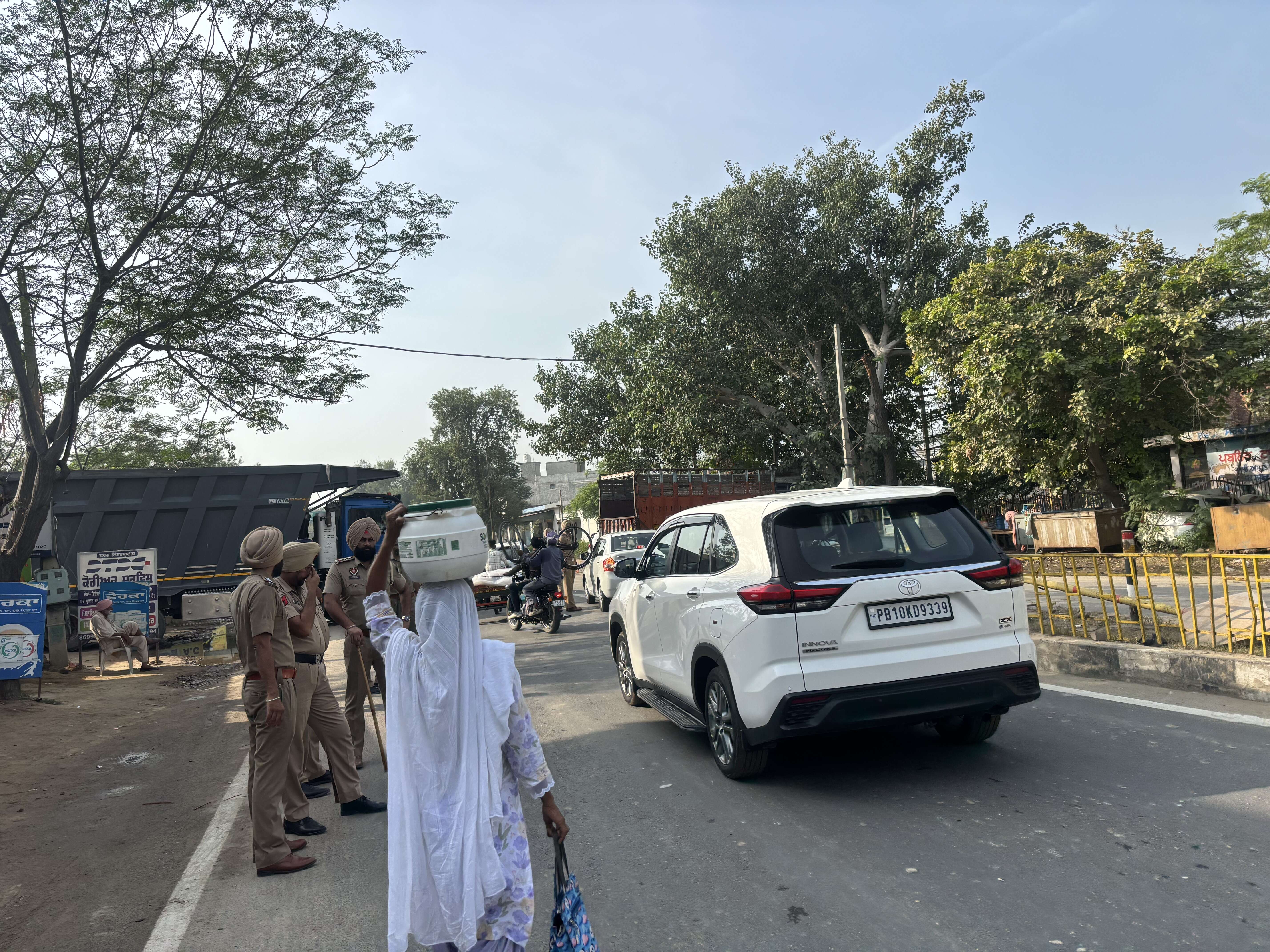
The rupture in Punjab's social fabric was immediate and violent. Following the killing of a prominent activist in Mansa, the region descended into a coordinated shutdown. Trucks were abandoned on the shoulders of major highways, and barricades were erected across every road leading into the district. This was not a spontaneous riot but a disciplined cessation of movement, a physical manifestation of collective grief and anger that paralyzed the logistical spine of the state. The silence of the roads replaced the usual hum of commerce, creating a vacuum of tension that filled the air in the Mansa region.
The underlying tension reveals a deep institutional friction between the state's law enforcement apparatus and the local populace. The killing of an activist, a figure often seen as a voice for marginalized communities, has triggered a crisis of legitimacy. The police response, characterized by the use of force and subsequent arrests, has only exacerbated the sense of alienation. This incident is not isolated; it is the latest flashpoint in a long-standing struggle over land rights, political representation, and the perceived impunity of those in power. The state finds itself unable to project authority in a region where its agents are viewed as adversaries rather than protectors.
The downstream casualties are tangible and severe. The bandh has disrupted the supply chains for agricultural produce, a critical economic engine for Punjab. Farmers face the prospect of perishable crops rotting in fields, while businesses in urban centers suffer from a complete lack of footfall and trade. The human cost is equally significant, with the loss of a life serving as a stark reminder of the fragility of social order. The 12-month outlook suggests a deepening polarization, where every minor incident risks escalating into a full-blown crisis, eroding the state's capacity to govern effectively and forcing a reckoning with the structural inequalities that fuel such unrest.
Comments 0