Punjab Records Sharp Rise in Farm Fire Incidents
Punjab authorities have documented 292 cases of farm fires, marking a significant increase over the previous month. The surge raises concerns about agricultural safety and environmental impact.
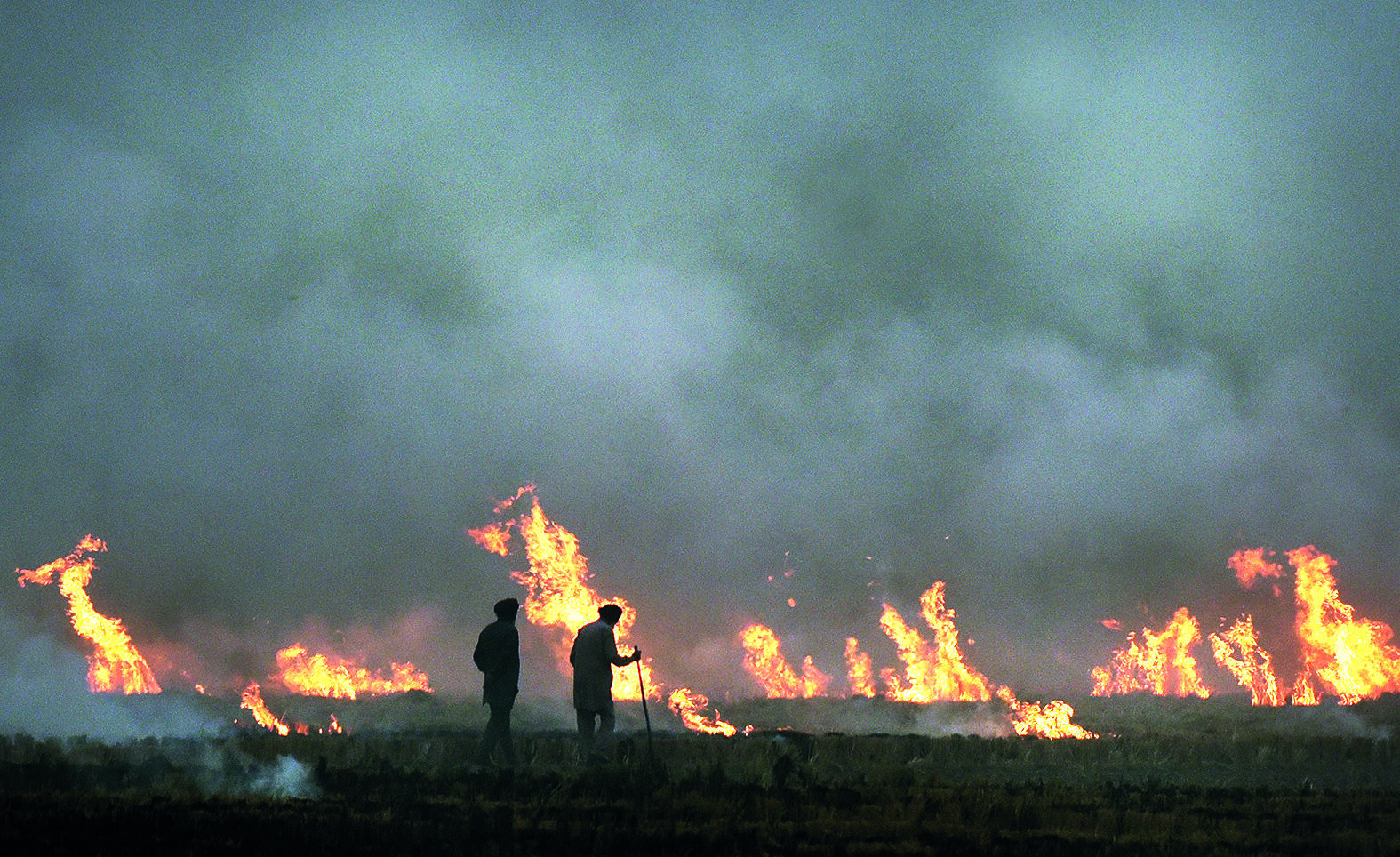
The concrete rupture in this story is the official tally released by Punjab’s agricultural department, which lists 292 reported farm‑fire incidents within a single reporting period. These fires, often ignited to clear residue after harvest, have escalated in frequency and intensity, causing loss of stored grain, damage to equipment and heightened air‑quality warnings. The department’s bulletin notes that several villages reported multiple blazes, prompting emergency response teams to deploy fire‑fighting units and issue temporary bans on open‑field burning.
Underlying tension is rooted in a combination of economic pressure on farmers, delayed procurement of crops by government agencies and a lack of affordable alternatives to traditional residue‑burning practices. Crop‑insurance payouts have been sluggish, leading some cultivators to resort to rapid field clearance in hopes of meeting market deadlines. Environmental groups have warned that the smoke contributes to regional haze, exacerbating respiratory ailments among rural populations. The state government has announced a series of workshops to promote mechanised residue management and is exploring subsidies for equipment that can mitigate the need for fire.
The downstream impact includes a rise in health‑care visits for respiratory conditions, potential penalties for non‑compliant farmers, and a possible shift in agricultural policy toward stricter enforcement of burning bans. Market analysts predict that repeated losses could affect grain prices, while NGOs anticipate increased advocacy for sustainable farming techniques. The data may also influence national climate‑change reporting, as farm fires contribute measurable greenhouse‑gas emissions.
Comments 0