Punjab transfers Parwinder Jhota murder probe to CBI ahead of Amit Shah’s visit
Just hours before Union Home Minister Amit Shah arrived in the state, Punjab authorities handed the investigation of anti‑drug activist Parwinder Jhota’s killing to the Central Bureau of Investigation. The move has intensified scrutiny of the state’s law‑enforcement apparatus and its handling of drug‑related crimes.
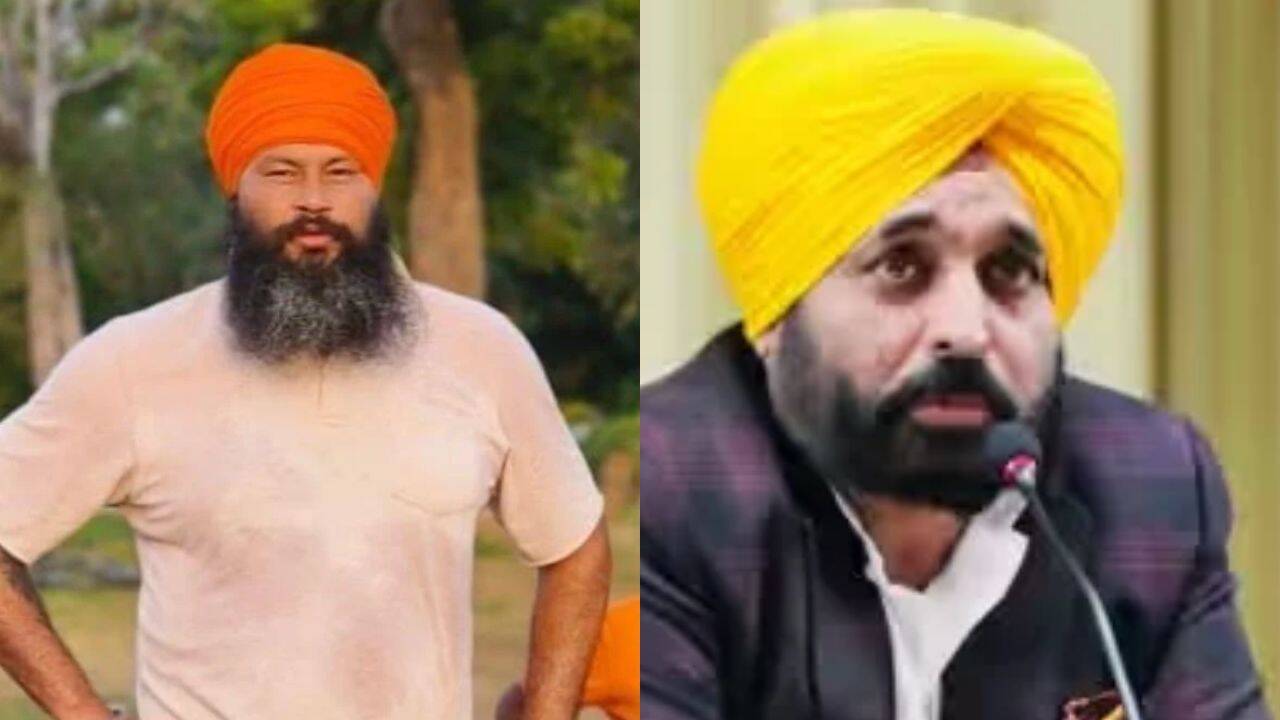
The Punjab government announced that the Central Bureau of Investigation will take over the murder case of Parwinder Jhota, an activist who had been campaigning against narcotics trafficking in the region. The decision was taken in a closed‑door meeting with senior officials and was publicly disclosed shortly before Amit Shah’s scheduled visit to Chandigarh, a timing that many observers interpret as an attempt to demonstrate decisive action against organized crime. The CBI’s involvement brings a national investigative body into a case that has already drawn media attention and public outcry.
Underlying this development is a long‑standing tension between the state’s police force and the central government over jurisdiction and resource allocation. Punjab has struggled with a surge in drug seizures and related violence, prompting criticism of its capacity to protect activists and enforce the law impartially. The transfer of the case to the CBI may reflect both political pressure to showcase results ahead of the minister’s tour and an acknowledgment of the limitations of local investigative capabilities.
The downstream impact includes a likely increase in public confidence, albeit tentative, in the government’s willingness to confront drug cartels. However, activists warn that the move could set a precedent for centralising investigations, potentially marginalising state agencies. In the short term, the case may influence upcoming electoral calculations, as parties assess voter sentiment on security and governance. Over the next twelve months, the outcome of the CBI probe could shape policy reforms on drug enforcement and inter‑governmental cooperation.
Comments 0