Punjab’s Agricultural Fires Decline, But Smog Threat Persists in Haryana
A sharp drop in crop residue burning in Punjab to 151 incidents offers a glimmer of hope for air quality, yet the dry weather in Haryana threatens to sustain hazardous smog levels. The regional disparity in agricultural practices and meteorological conditions creates a complex challenge for cross-border pollution control.
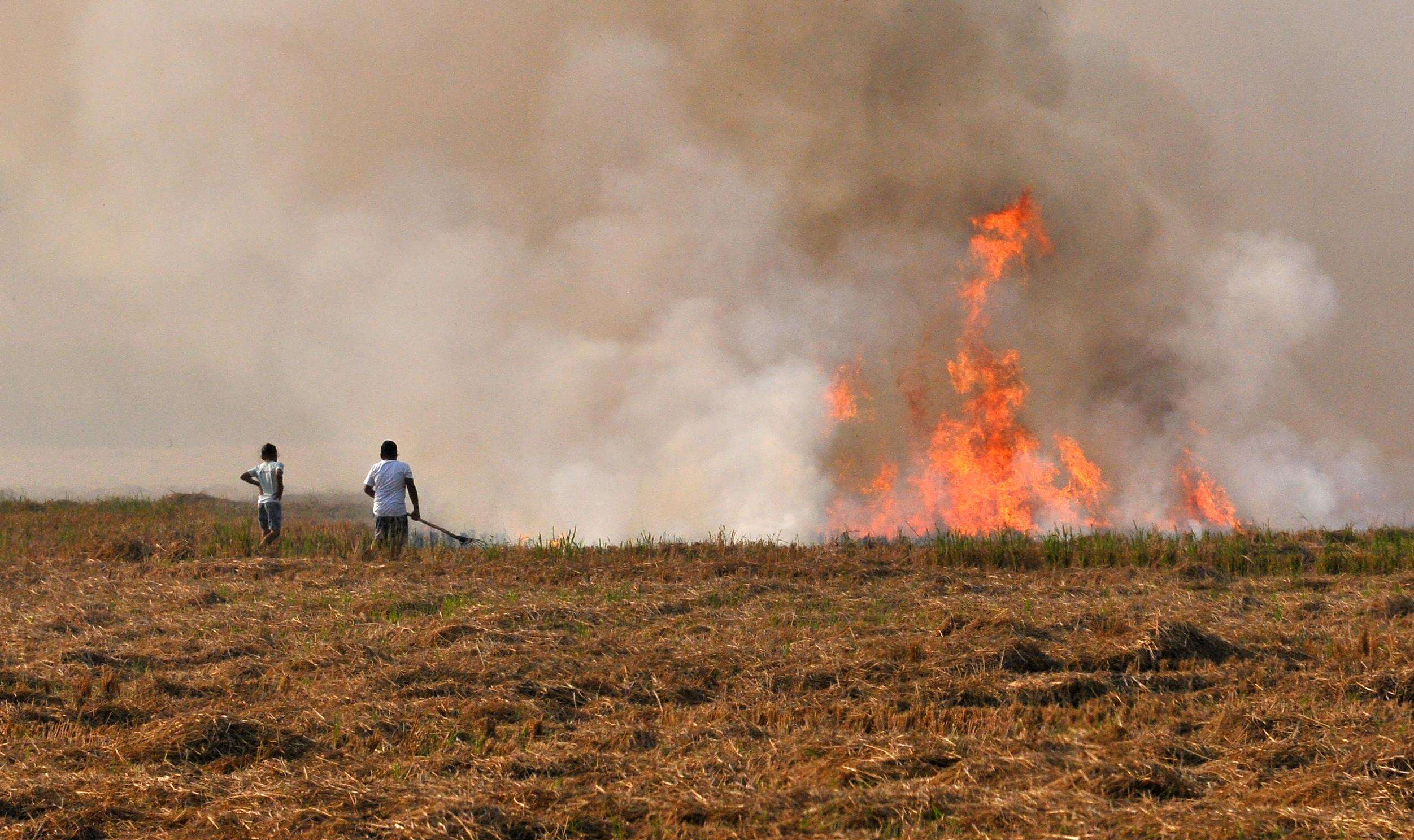
The annual ritual of crop residue burning in North India has shown a marked decline in Punjab, with the number of fires dropping sharply to 151. This reduction is a significant achievement for state authorities who have intensified enforcement and promoted alternative technologies for residue management. However, the improvement in one state does not guarantee relief for the region. The meteorological forecast for Haryana indicates a dry spell until November 10, a condition that is ideal for the accumulation of pollutants and the persistence of hazardous smog. The air quality in the Delhi-NCR region, which is heavily influenced by emissions from both states, remains a critical concern.
The underlying tension in this issue is the disconnect between state-level agricultural policies and the transboundary nature of air pollution. While Punjab has made strides in reducing fires, the dry conditions in Haryana and the continued burning in other parts of the region can negate these efforts. The institutional friction lies in the lack of a unified, cross-border regulatory framework for air quality management. Each state operates in a silo, and the absence of coordinated action allows for the persistence of a public health crisis that affects millions.
The tangible outcome of this situation is a continued strain on the healthcare system and a reduction in quality of life for residents of the region. The downstream casualty is the vulnerable population, including children and the elderly, who are most susceptible to the health effects of poor air quality. The structural consequence for the next 12 months is a potential escalation of legal and political pressure on state governments to adopt more aggressive measures, including the enforcement of bans on burning and the investment in alternative waste management solutions.
Comments 0