Punjab's Diwali Inferno: A Record 1,152 Farm Fires Signal a Crisis in Agricultural Waste Management
Punjab recorded its highest single day count of crop residue fires this season, with 1,152 incidents reported on Diwali. This dramatic spike, a 25-fold increase from the previous year, highlights the failure of current agricultural policies to curb the burning of stubble.
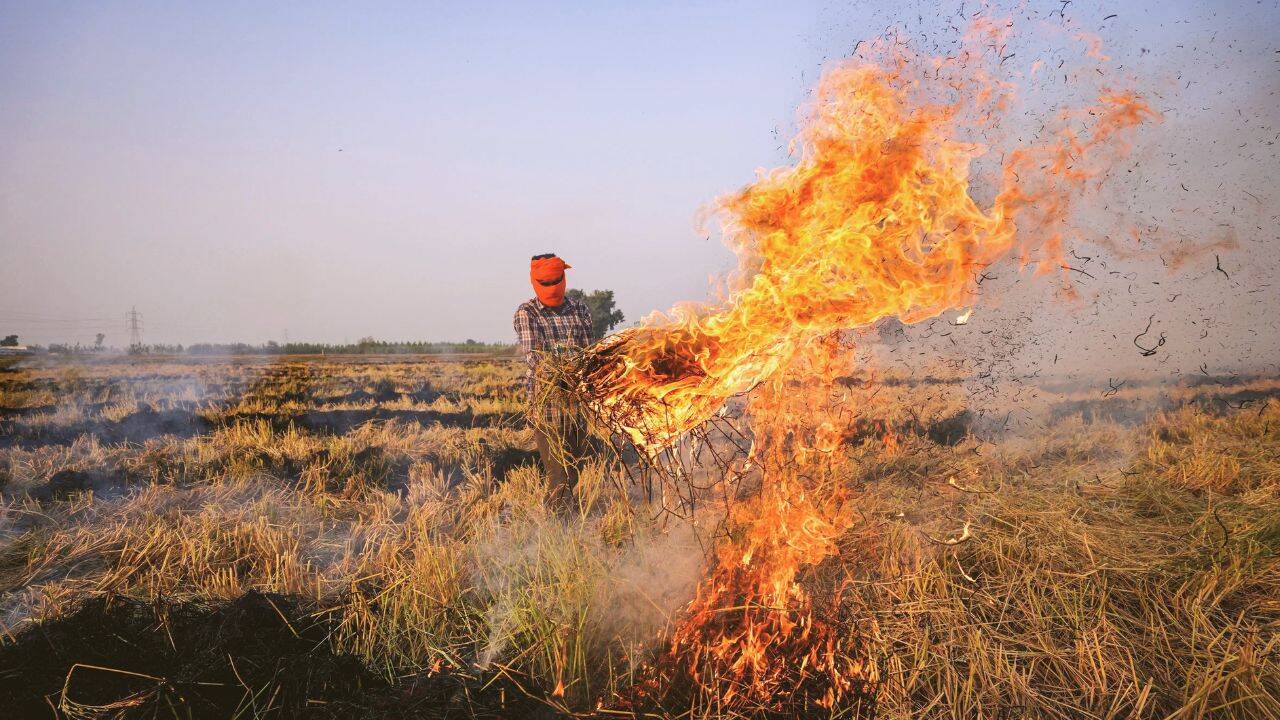
The fields of Punjab, typically a symbol of agricultural abundance, became a of smoke and ash on the night of Diwali. Authorities recorded 1,152 separate incidents of crop residue burning, a figure that dwarfs the 45 fires reported on the same day last year. This statistical anomaly is not a minor deviation but a clear indicator of a systemic breakdown in the management of agricultural waste, driven by the economic pressures on farmers who lack affordable alternatives to burning.
The underlying tension stems from the disconnect between environmental mandates and the economic realities of small and medium scale farmers. Despite years of government initiatives to promote mechanical harvesting and the use of biodegradable alternatives, the cost of these solutions remains prohibitive for many. The spike in fires suggests that the policy framework has failed to address the root cause: the lack of viable, low cost disposal methods for rice stubble. This institutional friction has resulted in a situation where farmers, trapped by time and money, resort to the most immediate and destructive method of clearing their fields.
The downstream consequences are severe and . The immediate casualty is the air quality of the entire Indo Gangetic plain, which is choked by the particulate matter released from these fires. Beyond the environmental impact, the practice depletes soil nutrients and reduces organic matter, threatening the long term fertility of the land. The record number of fires also signals a potential increase in legal and social friction as neighboring states and environmental groups intensify their pressure on Punjab to enforce stricter penalties, potentially exacerbating the agrarian distress that already plagues the region.
Comments 0