Punjab's Farmer Protests Escalate as Leaders Detained Ahead of Border March
Punjab's agricultural crisis deepens as farmer leaders are detained in Hisar to prevent a planned march to the Tikri border. The move signals a hardening of the state's stance and raises the stakes for an already volatile political and economic standoff.
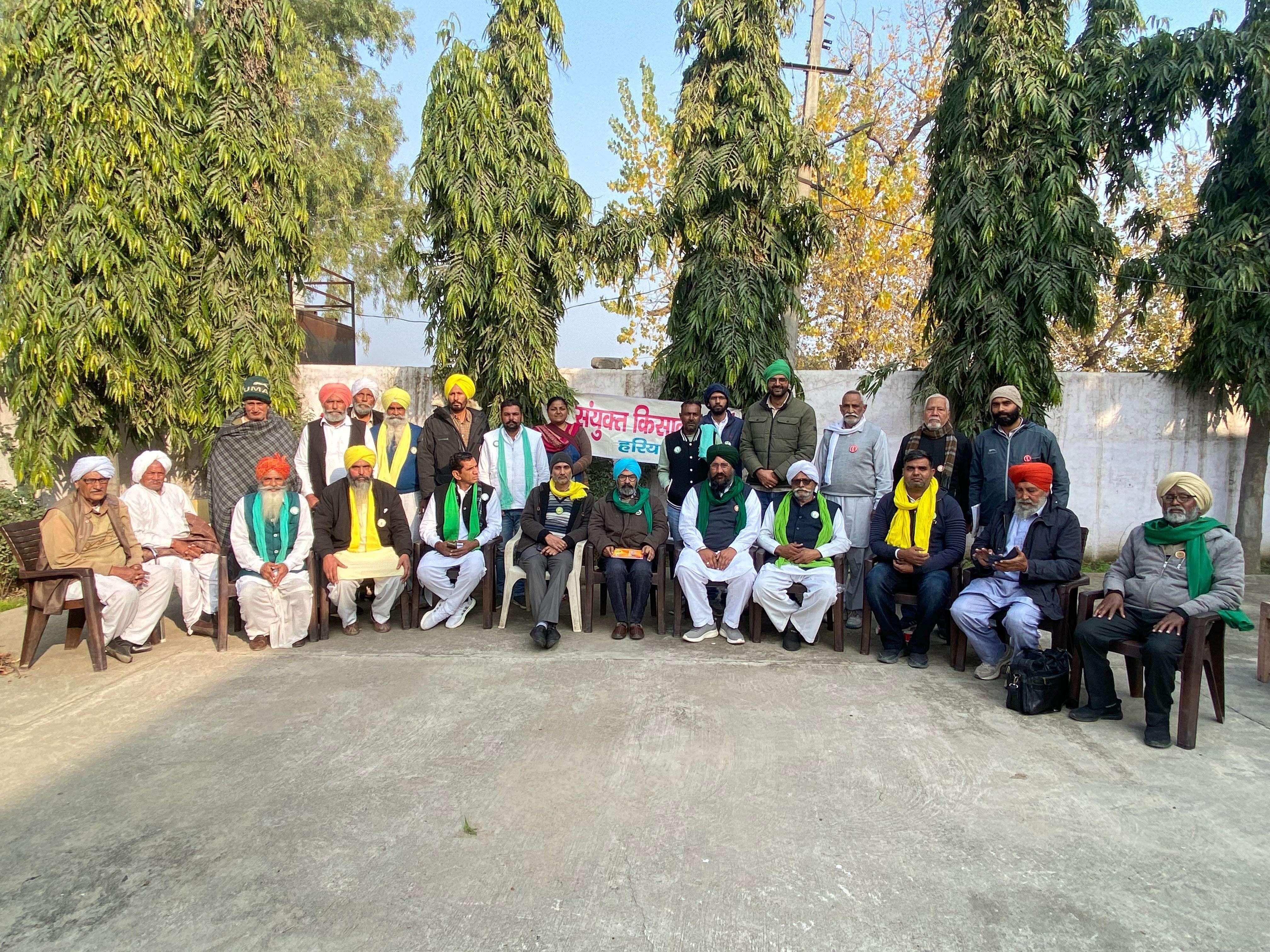
The detention of farmer leaders in Hisar marks a sharp escalation in the ongoing conflict between Punjab's agricultural community and the state government. This action, taken just before a planned march to the Tikri border, is a clear signal that the authorities are unwilling to allow the protest to gain momentum or reach a symbolic location that could draw national attention. The concrete rupture is not just in the physical restriction of movement but in the psychological impact on the protesting farmers, who now face the prospect of criminal charges for exercising their right to protest. This move has transformed a economic grievance into a direct confrontation with state power.
The underlying tension is rooted in the deepening agrarian distress in Punjab, where rising input costs and falling crop prices have left many farmers on the brink of financial ruin. The state government's decision to detain leaders reflects a fear that the protest could spread to other regions or gain political traction, challenging the ruling party's narrative of development and stability. Institutional friction is evident in the lack of dialogue between the government and the farmer unions, with both sides entrenched in their positions. The use of force, rather than negotiation, suggests that the state is prioritizing short-term order over long-term resolution, a strategy that often exacerbates underlying social tensions.
The downstream consequences of this escalation are likely to be severe for both the farmers and the state. The detention of leaders may galvanize the protest movement, leading to larger and more disruptive demonstrations in the future. It also risks alienating a key voting bloc, potentially impacting the political in upcoming elections. For the farmers, the immediate impact is the loss of their representatives and the increased difficulty in organizing effective resistance. The tangible outcome is a heightened state of alert in Punjab, with the potential for further unrest if the government does not engage in meaningful dialogue to address the core economic issues facing the agricultural sector.
Comments 0