Punjab’s Stubble Burning Cases Surge to 2,787, Fines Exceed ₹46 Lakh
State authorities recorded 2,787 incidents of farm fire, with Tarn Taran district accounting for 586 cases, and imposed fines totaling over ₹46 lakh as environmental compensation. The enforcement reflects escalating tensions between agrarian practices and air‑quality mandates.
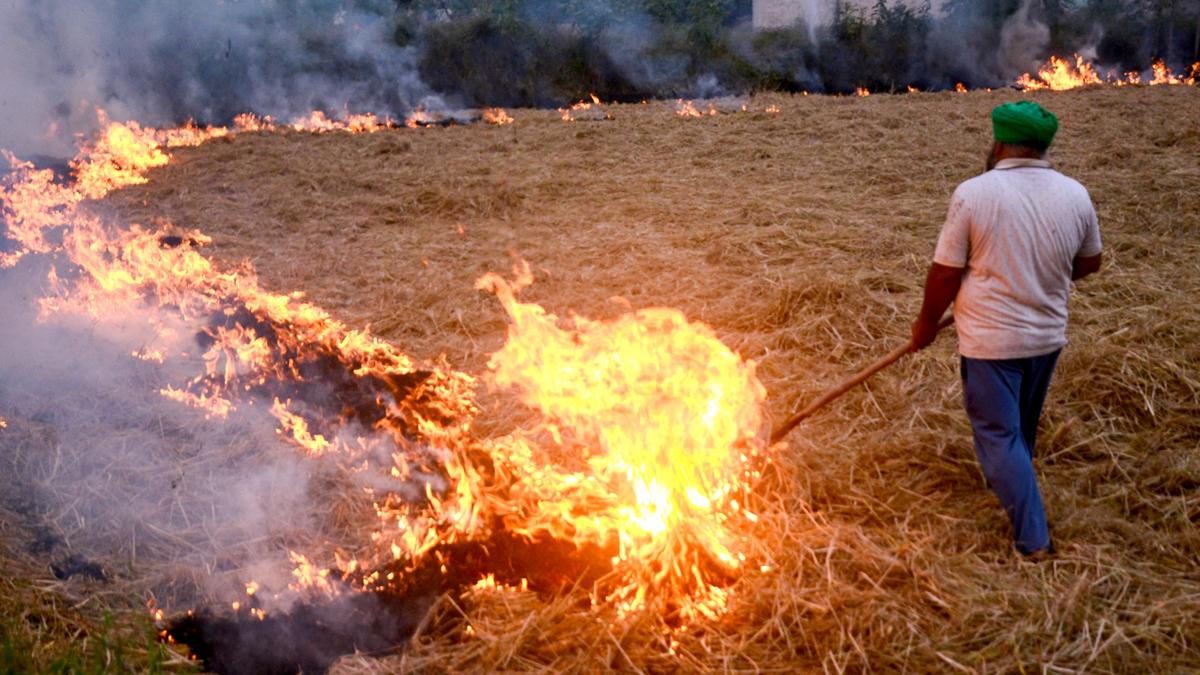
The Punjab government’s latest report documents a sharp rise in farm fire incidents, reaching a total of 2,787 across the state. Tarn Taran district emerged as a hotspot, registering 586 cases, underscoring regional disparities in compliance with crop‑residue management norms. The administration levied fines amounting to more than ₹46 lakh, designating the payments as environmental compensation aimed at offsetting the health and ecological costs of particulate pollution.
The surge in violations has intensified the friction between farmers, who view burning as a cost‑effective method to clear fields, and environmental regulators enforcing stricter air‑quality standards. The state’s enforcement agencies have recovered over ₹24 lakh from 914 cases, yet many stakeholders argue that the penalties remain insufficient to deter the practice. Agricultural extension services are under pressure to promote alternative residue‑management technologies, but adoption has been uneven due to financial constraints.
The broader consequences include deteriorating air quality during the winter months, which exacerbates respiratory ailments among vulnerable populations. The persistent haze also threatens cross‑border relations, as neighboring states experience trans‑regional smog. Over the coming year, the cumulative effect of fines and heightened monitoring may compel a shift toward mechanised residue handling, provided the government can subsidise the necessary equipment and training.
Comments 0