QS Asia University Rankings 2027: IIT Delhi tops India at 66, all six top institutions slip; DU exits top 100
The QS Asia University Rankings 2027 place IIT Delhi at 66th, the highest position for an Indian university, while several other Indian institutions slipped and Delhi University fell out of the top 100. The shift reflects changes in international faculty ratios, reputation scores and employability metrics.
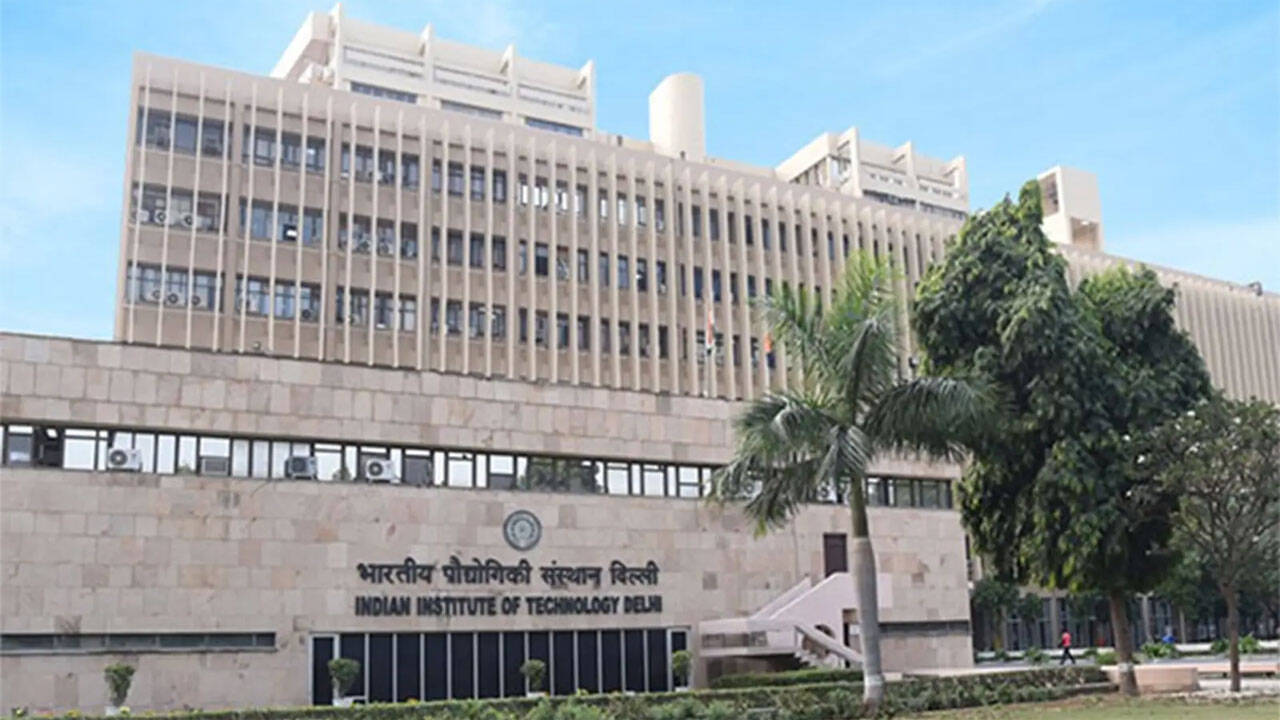
The QS Asia University Rankings for 2027 have placed the Indian Institute of Technology Delhi at 66th position, making it the highest‑ranked Indian university in the list. The release also noted that all six Indian institutions that previously occupied spots in the top‑tier have moved down in the latest edition, and the University of Delhi has fallen out of the top‑100 altogether. The rankings, which assess universities across teaching, research, employability and international outlook, show a modest improvement for IIT Delhi but a broader decline for the country’s elite higher‑education establishments.
Analysts attribute the downward movement of several Indian schools to a combination of lower scores in international faculty ratios and reduced visibility in global academic reputation surveys. While many campuses have continued to publish research, the citation impact per paper has not kept pace with peers in East Asia, where universities benefit from larger collaborative networks and higher levels of foreign student enrollment. In addition, the employability metric, which measures graduate outcomes as reported by employers, showed a relative decline for institutions that have not expanded their industry partnership programs. These factors together contributed to the slip in the overall composite score.
For readers in India, the shift highlights the need for universities to strengthen international collaborations, attract foreign scholars and improve graduate placement services to remain competitive in regional rankings. Policymakers may use the data to channel funding toward initiatives that boost research impact, such as joint projects with overseas institutions and incentives for publishing in high‑impact journals. The drop of the University of Delhi from the top‑100 also raises questions about the sustainability of legacy institutions that have traditionally relied on domestic reputation. Stakeholders will be watching how the next ranking cycle reflects any corrective measures taken by Indian universities.
Comments 0