Rahul Gandhi's Rally and the BJP's Counter-Narrative on Democratic Integrity
As Rahul Gandhi prepares for a major rally, the BJP has launched a sharp counter-attack, accusing him of acting on foreign behests and challenging the stability of Indian democracy. This exchange highlights the intensifying polarization in Indian politics, where allegations of external interference are becoming a central tool in the electoral battle.
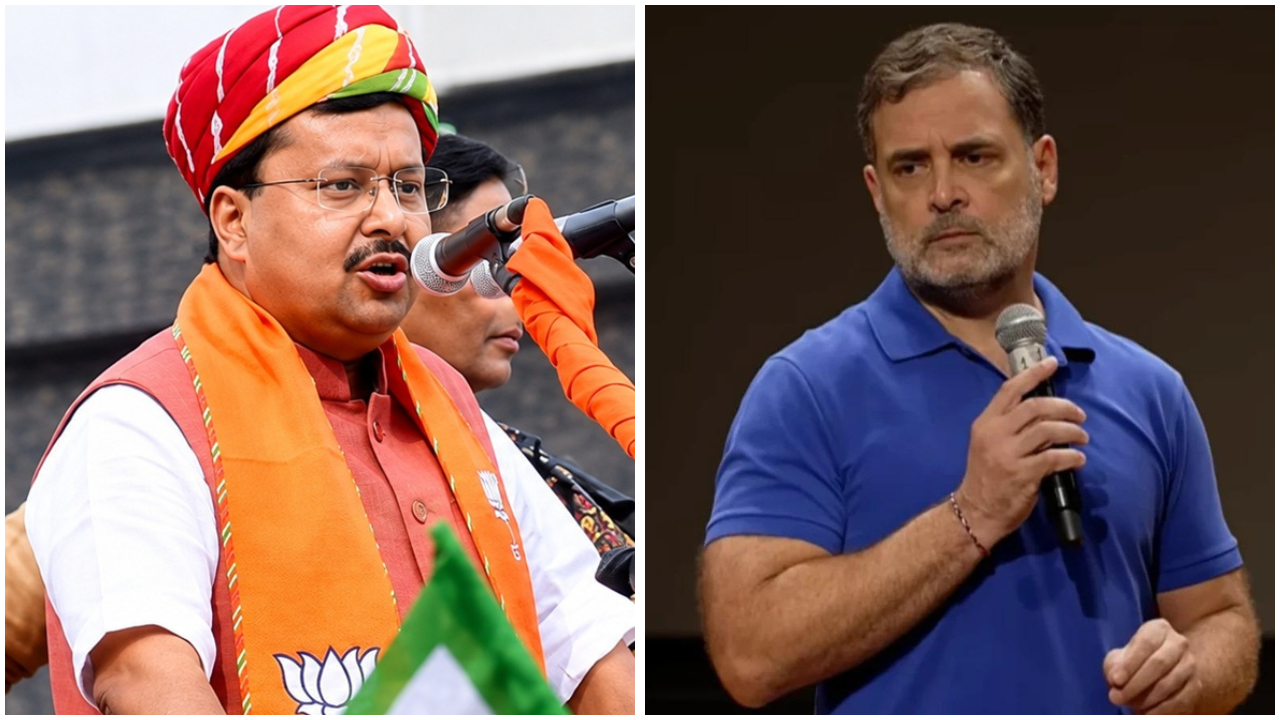
The political atmosphere in India is thickening with accusations that go beyond mere policy disagreements. The BJP's recent rhetoric, labeling Rahul Gandhi's actions as a challenge to democracy and a result of foreign influence, marks a significant escalation in the tone of political discourse. This is not a new tactic, but its deployment in the run-up to a major rally signals a strategic intent to delegitimize the opposition's narrative before it gains traction. The framing of domestic political dissent as a foreign conspiracy is a powerful tool for mobilizing the base, but it also deepens the fissures in the social fabric.
The underlying tension is rooted in the struggle for control over the narrative of national identity. The BJP's insistence that the Congress is acting on the behest of foreign powers is a direct challenge to the Congress's claim that democracy is under threat. This is a battle for the definition of what it means to be a responsible political actor in India. The use of such strong language suggests that the ruling party is confident in its current position and is willing to take risks in its rhetoric to maintain that position. It also reflects a growing anxiety about the opposition's ability to present a coherent alternative.
The immediate outcome of this exchange is a further hardening of lines between the two major political camps. For the Congress, the accusation of foreign interference is a serious charge that requires a robust response, but it also risks alienating a section of the electorate that is sensitive to issues of national sovereignty. For the BJP, the strategy is to keep the opposition on the defensive, forcing them to spend their political capital on rebuttals rather than on building a positive agenda. The downstream effect is a political environment that is increasingly adversarial and less conducive to the kind of consensus-building that complex governance requires.
Comments 0