Rain and Rage: The Chorbagan Stampede Exposes Bengal's Fragile Public Safety
A sudden downpour triggered a fatal crush at a Kolkata Durga Puja pandal, exposing the lethal gap between festival euphoria and municipal infrastructure. The incident forces a reckoning on crowd management protocols in one of India's most densely populated urban centers.
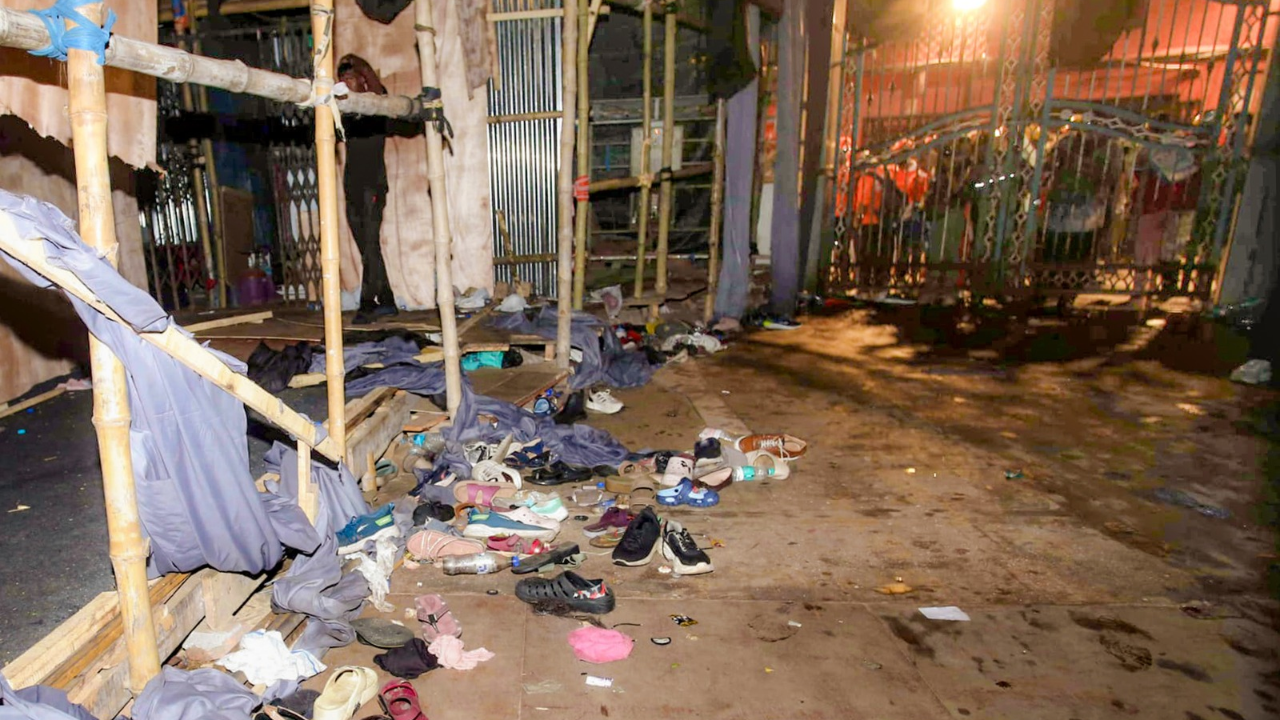
The concrete rupture occurred within minutes as a heavy, hour-long downpour saturated the streets surrounding the Chorbagan pandal in Kolkata. The deluge transformed the celebratory atmosphere into a chaotic scramble for shelter, driving thousands of devotees into a confined space where the architecture of the festival structure could not withstand the sudden surge. The result was a catastrophic crush that claimed lives and left many injured, turning a moment of religious devotion into a scene of panic and tragedy that has since dominated the national discourse on public safety.
The underlying tension reveals a persistent institutional friction between the scale of cultural celebration and the capacity of local governance to manage it. Kolkata's Durga Puja is a global spectacle, yet the infrastructure supporting it often relies on ad hoc arrangements rather than rigorous, data-driven crowd control strategies. The incident highlights how the intersection of unpredictable weather patterns and static urban planning creates a volatile environment where the state's duty of care is tested to its breaking point, leaving authorities scrambling to justify their preparedness in the face of preventable disaster.
The downstream casualties extend beyond the immediate victims to the broader social fabric of the city. Families are left to process the loss of loved ones in a context where the primary cause of death was not the festival itself, but the failure of the systems meant to protect them. This event serves as a stark reminder that in India's most urban centers, the line between celebration and catastrophe is often thinner than the municipal budget allows, forcing a urgent review of emergency response mechanisms and structural safety standards for public gatherings.
Comments 0