Rajasthan High Court Bars Open‑Air Camps for Rape Convicts Except in Extraordinary Cases
The apex bench issued a sweeping order restricting the placement of sexual‑offence prisoners in open‑air detention, citing constitutional safeguards. The ruling reshapes correctional policy across the state and sets a precedent for other jurisdictions.
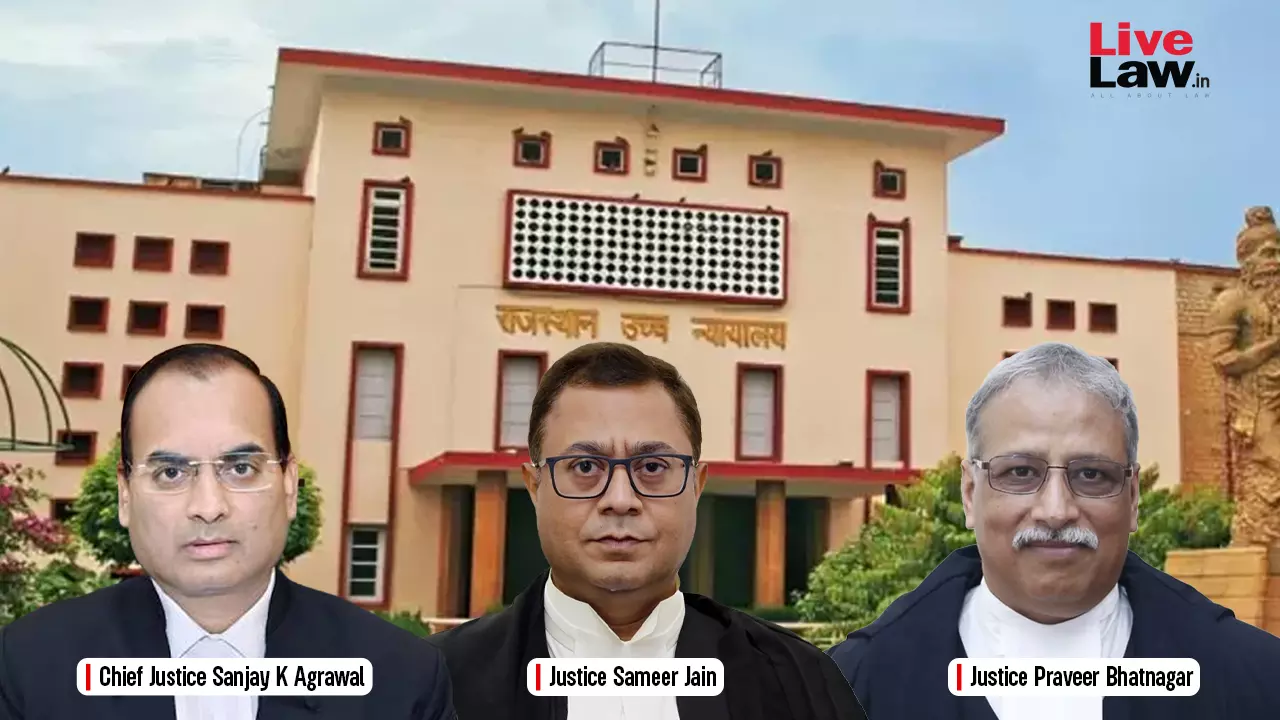
The concrete rupture emerged from a full‑bench judgment of the Rajasthan High Court, which held that individuals convicted of rape and offences under the Protection of Children from Sexual Offences Act may not be sent to open‑air prison camps unless exceptional circumstances are demonstrated. The court emphasized that such placements must respect the dignity of the convicted and the safety of the community, overturning earlier practices that allowed broader discretion for prison authorities.
Underlying tension lies in the clash between punitive measures aimed at deterrence and the constitutional mandate to protect human rights within the correctional system. Prison officials argued that open‑air camps offered a cost‑effective means of managing overcrowded facilities, while advocacy groups warned that exposing vulnerable offenders to the public could exacerbate trauma for survivors and erode public confidence in the justice system. The judgment also touched upon the broader debate over prison reform and the balance between rehabilitation and retribution.
The downstream casualties are evident in the immediate operational adjustments required by the state prison department, which must now review all pending transfers and re‑allocate resources to accommodate the court’s directive. Legal practitioners anticipate a rise in petitions challenging existing placements, while civil society groups view the decision as a victory for victims’ rights. In the coming twelve months, the ruling may inspire similar judicial scrutiny in other Indian states, prompting a nationwide reassessment of open‑air detention policies for serious offenders.
Comments 0