Rajasthan High Court Bars Probation Revocation Over Unpaid Prosecution Costs
The Rajasthan High Court ruled that a convict's inability to pay prosecution costs cannot justify revoking probation and imposing imprisonment. The judgment reinforces procedural safeguards for defendants facing financial constraints.
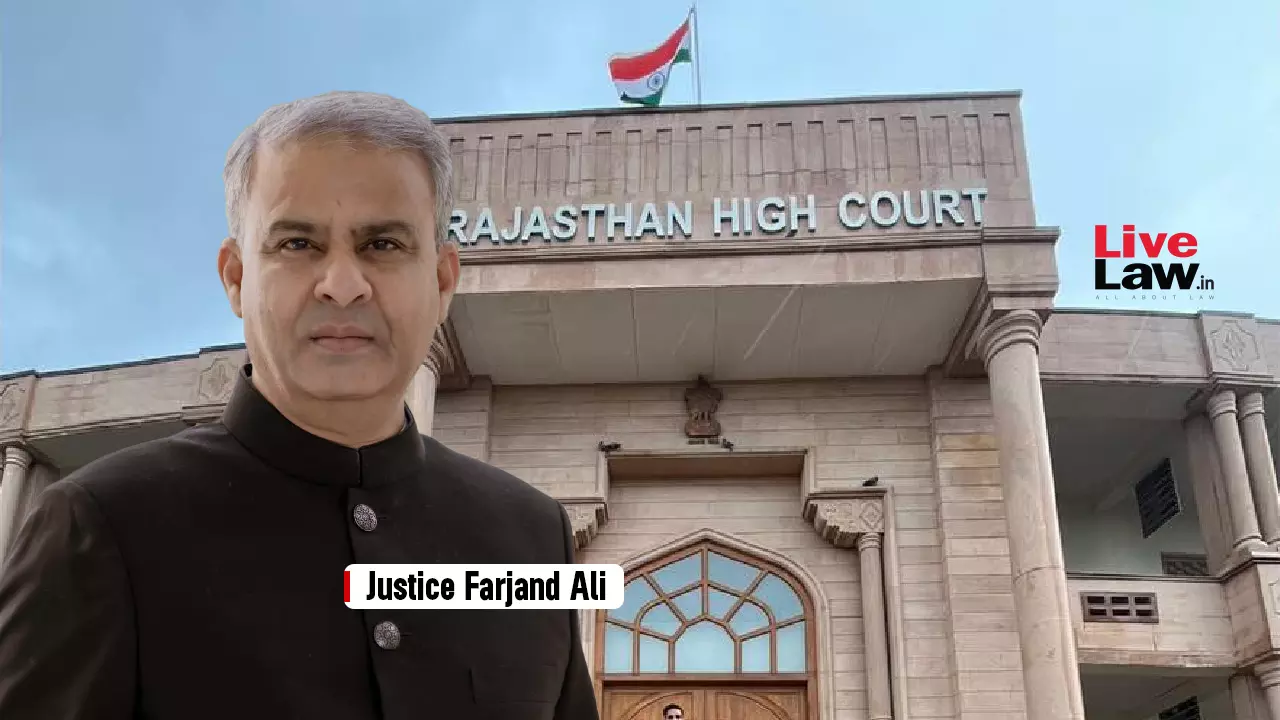
In a landmark decision, the Rajasthan High Court examined the case of a convict whose probation was threatened on the grounds of unpaid prosecution expenses. The bench held that financial incapacity alone does not meet the legal threshold for rescinding probation, emphasizing that punitive measures must be proportionate and grounded in substantive misconduct rather than fiscal default. The ruling highlighted the court's role in upholding the principle that justice should not be contingent upon a defendant's economic standing.
The judgment arrives amid broader debates over the balance between fiscal accountability and individual rights within India's criminal justice system. Critics have argued that imposing financial penalties that lead to incarceration creates a de facto two‑tiered system, where wealthier defendants can navigate the legal process more comfortably. By drawing a clear line against revocation solely on cost grounds, the court signalled a willingness to curb potential abuses of procedural leverage by prosecution agencies.
The decision may prompt legislative and administrative bodies to revisit guidelines governing probation conditions and cost recovery. Over the next year, law enforcement agencies could adopt more nuanced approaches to recouping expenses, perhaps through structured payment plans, thereby reducing the risk of punitive escalation. The ruling also offers a precedent for other high courts to reference when confronting similar disputes, potentially reshaping the of probation enforcement across India.
Comments 0