Rajnath Singh Warns Hegseth on the Perils of US Tech Transfers to Pakistan
The former Indian Home Minister has issued a stark warning to his US counterpart, arguing that sensitive American technology supplied to Pakistan poses a direct threat to India's security. This diplomatic intervention highlights the growing friction over the dual-use nature of modern military hardware and the risks of third-country diversion.
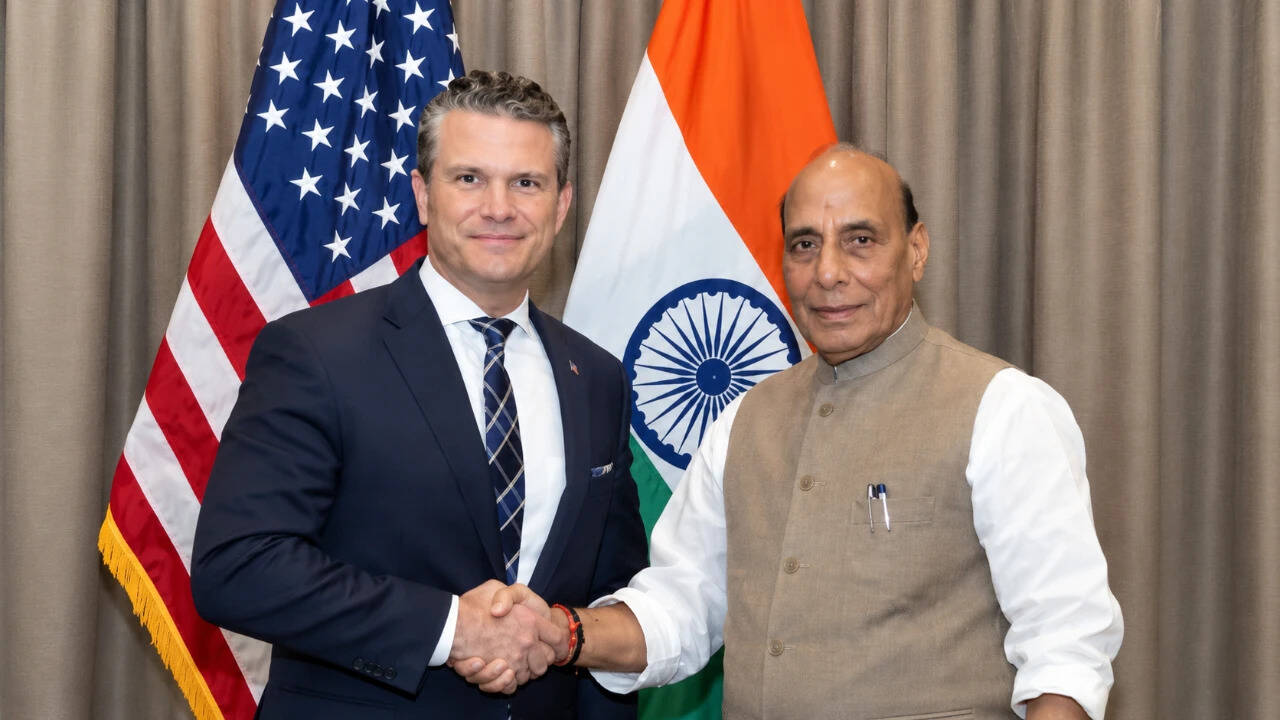
The concrete rupture in Indo-US defense diplomacy is the explicit warning issued by Rajnath Singh to US Secretary of Defense Pete Hegseth. Singh's argument is not merely a diplomatic complaint but a strategic assessment: the technology in question is not inert, and its presence in Pakistan's hands creates a vulnerability that India cannot ignore. This warning underscores a fundamental shift in the nature of military technology, where software and data are as critical as hardware, and their transfer can have cascading effects on regional security. The immediate outcome of this warning is a heightened scrutiny of existing defense agreements and a potential slowdown in new technology transfers, as the US grapples with the complex realities of its partnerships in South Asia.
The underlying tension is rooted in the dual-use nature of modern defense technology. Unlike traditional weapons, which have clear military applications, many advanced technologies can be repurposed for civilian or other military uses, making it difficult to track their ultimate destination. This institutional friction is compounded by the US's strategic interest in maintaining a balance of power in the region, which sometimes leads to policies that India views as inconsistent or double-standard. The warning from Singh highlights the difficulty of navigating these competing interests, as the US must balance its relationship with Pakistan against its growing strategic partnership with India.
The downstream casualties of this friction are the potential erosion of trust between the two nations. If the US is perceived to be prioritizing its relationship with Pakistan over India's security concerns, it could undermine the broader strategic partnership. This could lead to a re-evaluation of defense cooperation, with India seeking to reduce its reliance on US technology and exploring alternative sources. The tangible outcome is a more complex and cautious approach to defense diplomacy, where every technology transfer is subject to rigorous scrutiny and political negotiation. This shift may slow down the pace of defense modernization in India but could also lead to a more self-reliant defense industry in the long term.
Comments 0