Ramayana: 40-50 designs, 6.5 years of work behind Ravana-Jatayu fight
The TV series ‘Ramayana’ spent six and a half years creating the Ravana‑Jatayu battle, developing forty to fifty visual designs for the sequence. Nearly two years of that effort focused on the detailed rendering of the Pushpak Viman, highlighting the show's ambitious production values.
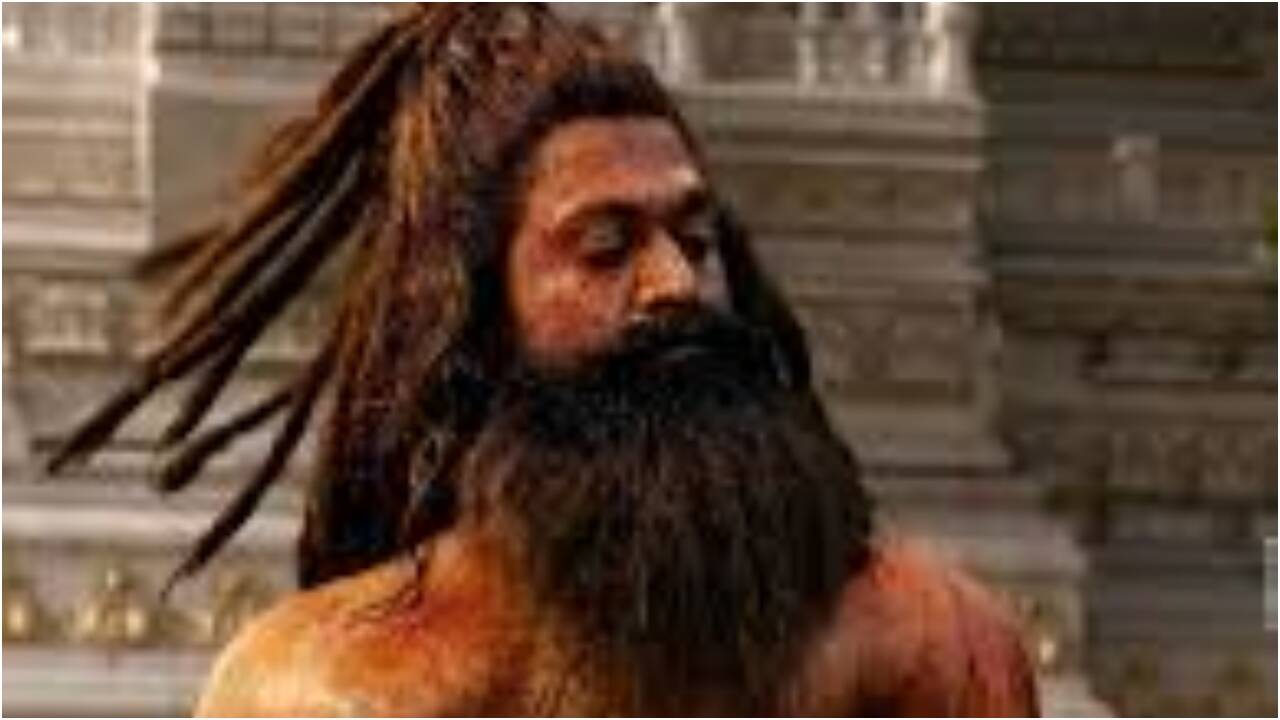
The Indian television series ‘Ramayana’ has attracted attention for the extensive visual work that went into recreating the epic battle between the demon king Ravana and the heroic bird Jatayu. According to series creator Nitesh Tiwari, the fight sequence required the development of between forty and fifty distinct visual designs, a task that stretched over six and a half years of production. The team employed a combination of computer‑generated imagery and practical effects to capture the mythic scale of the encounter, ensuring that each frame matched the dramatic intensity of the original story.
Nearly two years of that timeline were devoted exclusively to the creation of the Pushpak Viman, the legendary flying chariot that features prominently in the narrative. Designers had to model the intricate architecture, ornate decorations and the dynamic motion of the vessel as it soars through the sky. The process involved close collaboration between artists, engineers and cultural consultants to ensure that the final product respected traditional descriptions while also meeting modern visual standards. This level of detail has been praised by critics who see it as a step forward for Indian mythological storytelling.
The extensive effort behind the Ravana‑Jatayu clash reflects a broader trend in Indian entertainment toward higher production values and longer development cycles for ambitious projects. Viewers are increasingly expecting cinematic quality from television series, prompting producers to allocate more resources to research, design and post‑production. As ‘Ramayana’ prepares for its upcoming broadcast, industry observers will watch audience reception closely, especially in regional markets where mythological content has historically performed well. Success could encourage further investment in similar large‑scale adaptations of classic Indian epics.
Comments 0