RBI’s Tightening Stance Sends Rupee Higher While Liquidity Thins
The Reserve Bank of India’s latest measures are projected to lift the rupee sharply, yet analysts warn that foreign‑exchange liquidity may evaporate. The policy shift reverberates through markets, pressuring exporters and importers alike.
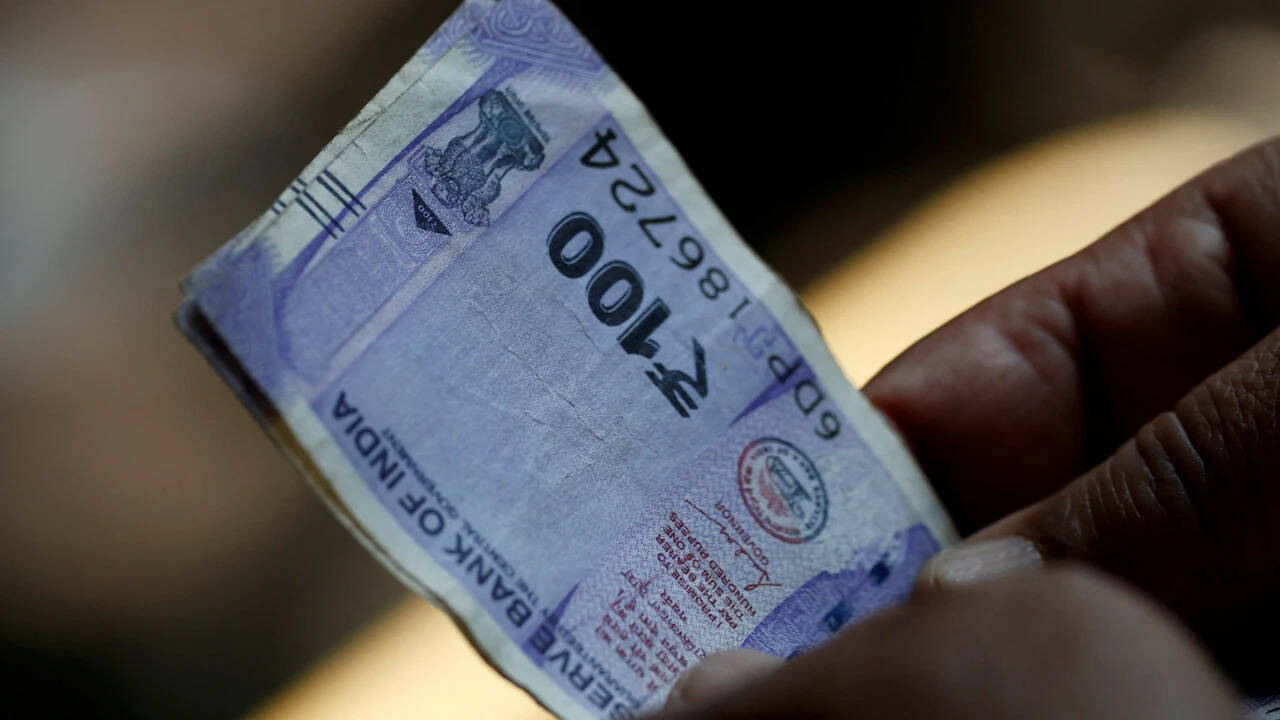
The concrete rupture materialised when the RBI announced a suite of interventions, including a reduction in the cash reserve ratio and a targeted liquidity injection aimed at stabilising the rupee. Within hours, the currency appreciated against the dollar, a movement that was captured by traders on the NSE floor and reported across financial news wires. The immediate effect was a surge in confidence among domestic investors, who interpreted the action as a decisive attempt to curb inflationary pressures.
Underlying tension arises from the delicate balance the central bank must maintain between supporting growth and preventing capital outflows. Earlier in the year, a series of external shocks, ranging from commodity price spikes to geopolitical uncertainties, had strained the foreign‑exchange market, prompting calls for more aggressive policy tools. Critics argue that the RBI’s approach may inadvertently tighten credit conditions for businesses that rely on dollar‑linked financing, thereby sowing discord between monetary policy objectives and real‑economy needs.
Downstream, the appreciation of the rupee could render Indian exports less competitive, potentially widening the trade deficit if manufacturers cannot offset higher input costs. Simultaneously, a drying up of forex liquidity may raise borrowing costs for import‑dependent sectors such as oil and electronics, leading to price pass‑through to consumers. Over the coming months, the policy’s success will be measured by its ability to sustain currency stability without choking credit flow, a challenge that will shape the broader macroeconomic trajectory.
Comments 0