RCF's Vande Bharat Breakthrough: 180 kmph Speed Trial Marks New Era in Indian Railways
The Rail Coach Factory in Kapurthala has successfully tested a 16-coach Vande Bharat Express set at 180 kmph, marking a significant milestone in India's semi-high-speed rail ambitions. This achievement diversifies the manufacturing base beyond ICF and signals a robust domestic supply chain for advanced rail technology.
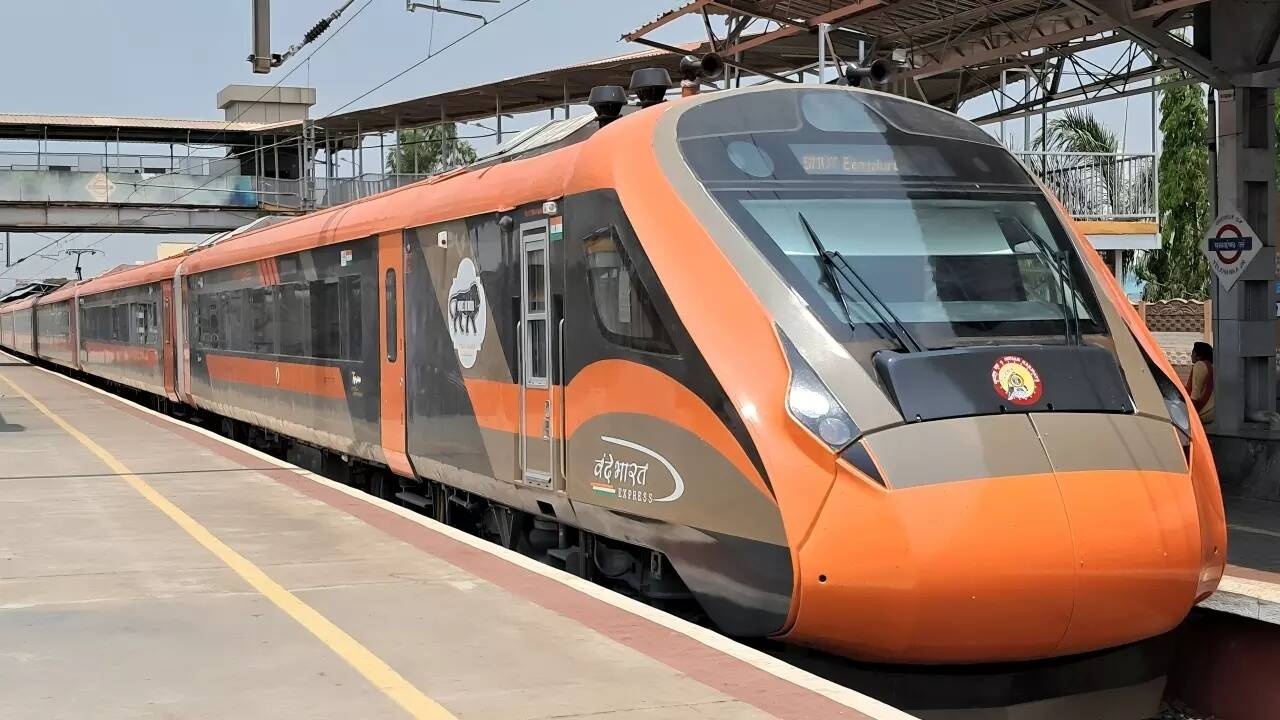
The concrete rupture in India's rail manufacturing capability was the successful 180 kmph speed trial of a Vande Bharat Express train set manufactured by the Rail Coach Factory (RCF) in Kapurthala. This is a critical milestone, as it demonstrates that the country can produce high-speed train sets outside of the traditional ICF facility in Perambur. The test validates the technical competence of RCF and expands the domestic manufacturing base for semi-high-speed trains. This move is significant for the Indian Railways' plan to expand its Vande Bharat network, as it reduces dependency on a single manufacturer and enhances the scalability of the program.
The underlying tension involves the challenge of maintaining quality and safety standards while scaling up production across multiple facilities. The institutional friction lies in the coordination between different manufacturing units and the need to ensure that all components meet the stringent requirements for high-speed operation. There is also a competitive dynamic between the manufacturing units, each striving to prove its capability and secure a larger share of the order book. The success of this trial alleviates some of these tensions by demonstrating that RCF is a viable alternative, thereby creating a more robust and resilient supply chain.
The downstream outcomes include a potential acceleration in the rollout of Vande Bharat services across India, as the increased manufacturing capacity allows for faster delivery of new train sets. For the railway sector, this means a more diversified and competitive industrial base, which can drive down costs and improve innovation. The tangible outcome is a strengthened domestic rail industry, capable of competing in the global market for high-speed train technology. This success also boosts the confidence of investors and stakeholders in the Indian rail sector, signaling a mature and capable domestic industry.
Comments 0