Regulatory Shift Opens Spectrum to Satellite Operators
The Telecom Regulatory Authority of India has cleared the path for satellite communication firms to acquire spectrum, fundamentally altering the nation's connectivity architecture. This move signals a decisive break from terrestrial exclusivity, inviting global giants into the domestic market.
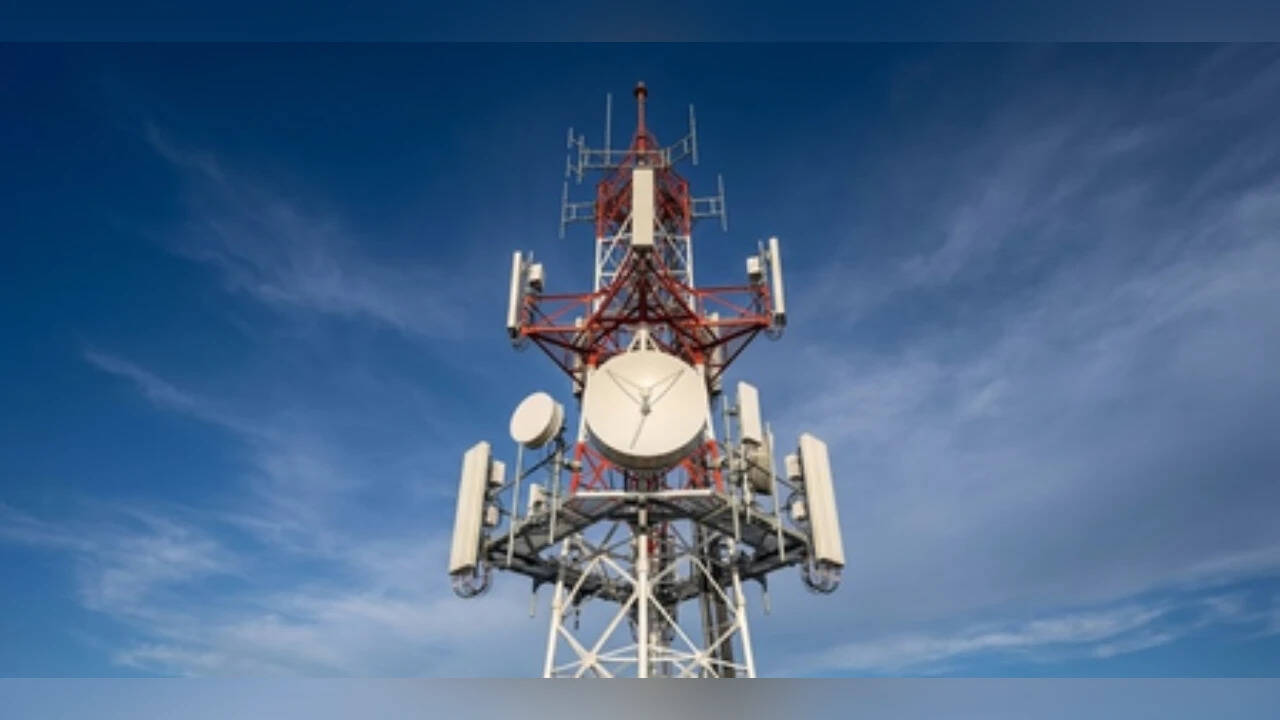
The regulatory framework governing India's airwaves is undergoing a structural transformation as the TRAI moves to permit spectrum assignment to satellite communication companies. This decision dissolves the long-standing barrier that reserved specific frequency bands exclusively for terrestrial operators, thereby opening the door for non-terrestrial networks to compete directly with established telecom giants. The immediate consequence is a potential surge in investment as firms like SpaceX and OneWeb evaluate the Indian market, knowing they can now secure the necessary rights to transmit data directly to end users without relying on ground-based infrastructure.
The underlying tension stems from years of friction between the government's push for universal connectivity and the technical limitations of laying fiber in remote and hilly regions. Terrestrial networks have struggled to reach the last mile in parts of the Himalayas and the Northeast, creating a digital divide that terrestrial-only models cannot easily bridge. By allowing satellite operators to enter the fray, the state is acknowledging that a hybrid model is essential for national integration, yet this shift raises complex questions about interference management and the economic viability of high-orbit versus low-orbit assets in a crowded orbital space.
The downstream impact will be felt most acutely by rural consumers and enterprise sectors in remote areas, who stand to gain access to high-speed, low-latency internet for the first time. However, the entry of satellite players also threatens to disrupt the pricing power of incumbent telecom operators, potentially forcing a re-evaluation of their capital expenditure strategies. Over the next year, we may witness a consolidation of smaller terrestrial players who cannot match the capital intensity of satellite deployments, reshaping the competitive of the Indian telecom industry.
Comments 0