Reserve Bank Governor Flags Emerging Fragilities Amid Macroeconomic Resilience
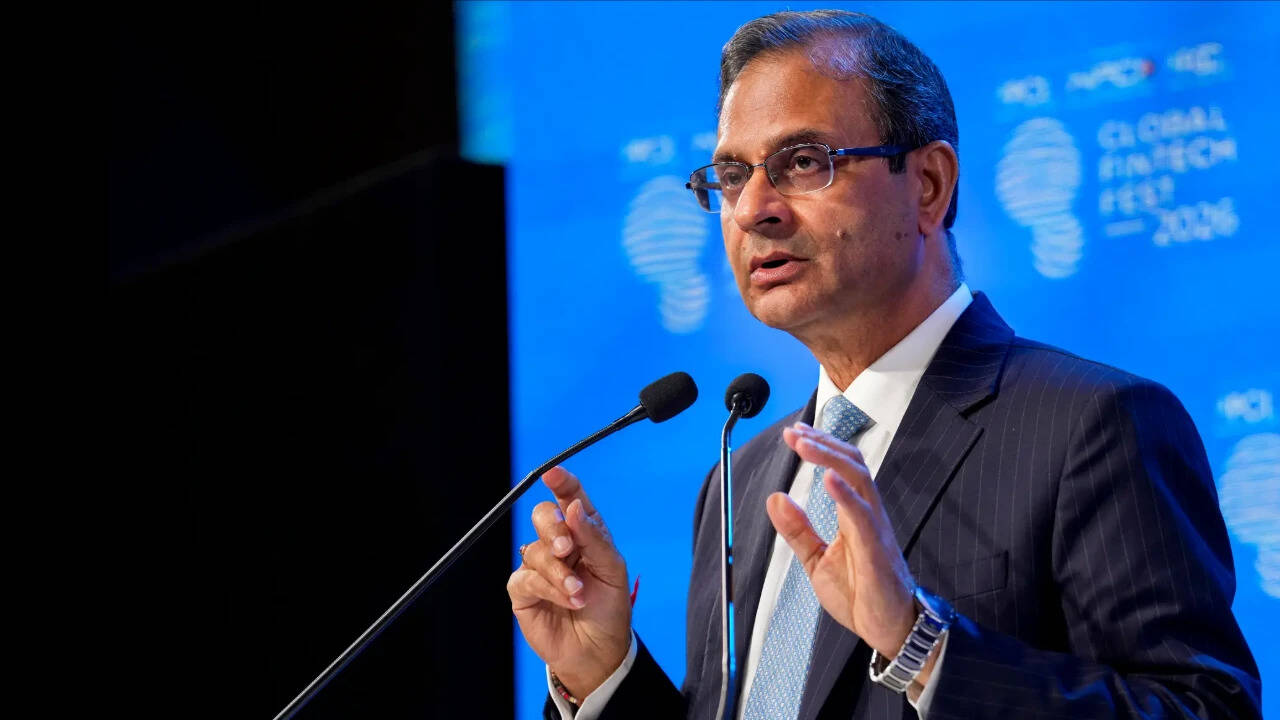
Speaking at the Kautilya Economic Conclave, RBI Governor Sanjay Malhotra warned that current economic stability offers no blanket protection against incoming structural shocks. The central bank's caution signals a tighter monetary posture aimed at preempting hidden systemic vulnerabilities in domestic markets.
The contemporary Indian economy presents a paradoxical facade of robust growth metrics masking underlying structural strains. While corporate balance sheets appear fortified and credit offtake remains steady, central bankers are increasingly tracking hidden leverage points across non-banking financial sectors and unsecured retail credit portfolios. Governor Malhotra's address sought to dismantle complacency, reminding policymakers that aggregate resilience can dissolve rapidly when subjected to external geopolitical shocks or sudden shifts in global liquidity. At the heart of this regulatory anxiety lies the delicate equilibrium between supporting domestic consumption and containing inflationary embers. Financial institutions have aggressively expanded retail lending lines over recent quarters, creating an asset quality illusion that relies entirely on uninterrupted employment growth. The Reserve Bank's preemptive warnings serve as institutional armor, designed to compel commercial banks to provision conservatively before delinquent retail portfolios mutate into systemic contagion. Downstream, the tangible outcome of this monetary tightening will be a more cautious credit architecture, raising borrowing costs for retail consumers and mid-tier enterprises alike. While long-term macroeconomic stability is fortified by such vigilance, the immediate price is paid by growth-dependent sectors facing compressed liquidity and stringent underwriting standards. Credit availability will bifurcate sharply, favoring only the most capitalized corporate entities while squeezing speculative market participants.
Comments 0