Rising European Temperatures Accelerate the Geographic Spread of West Nile Virus in Italy
Italian health authorities report an alarming expansion of West Nile virus cases driven by sustained high temperatures and extended warm seasons. The changing climatic conditions are creating optimal breeding grounds for mosquito vectors across previously unaffected regions.
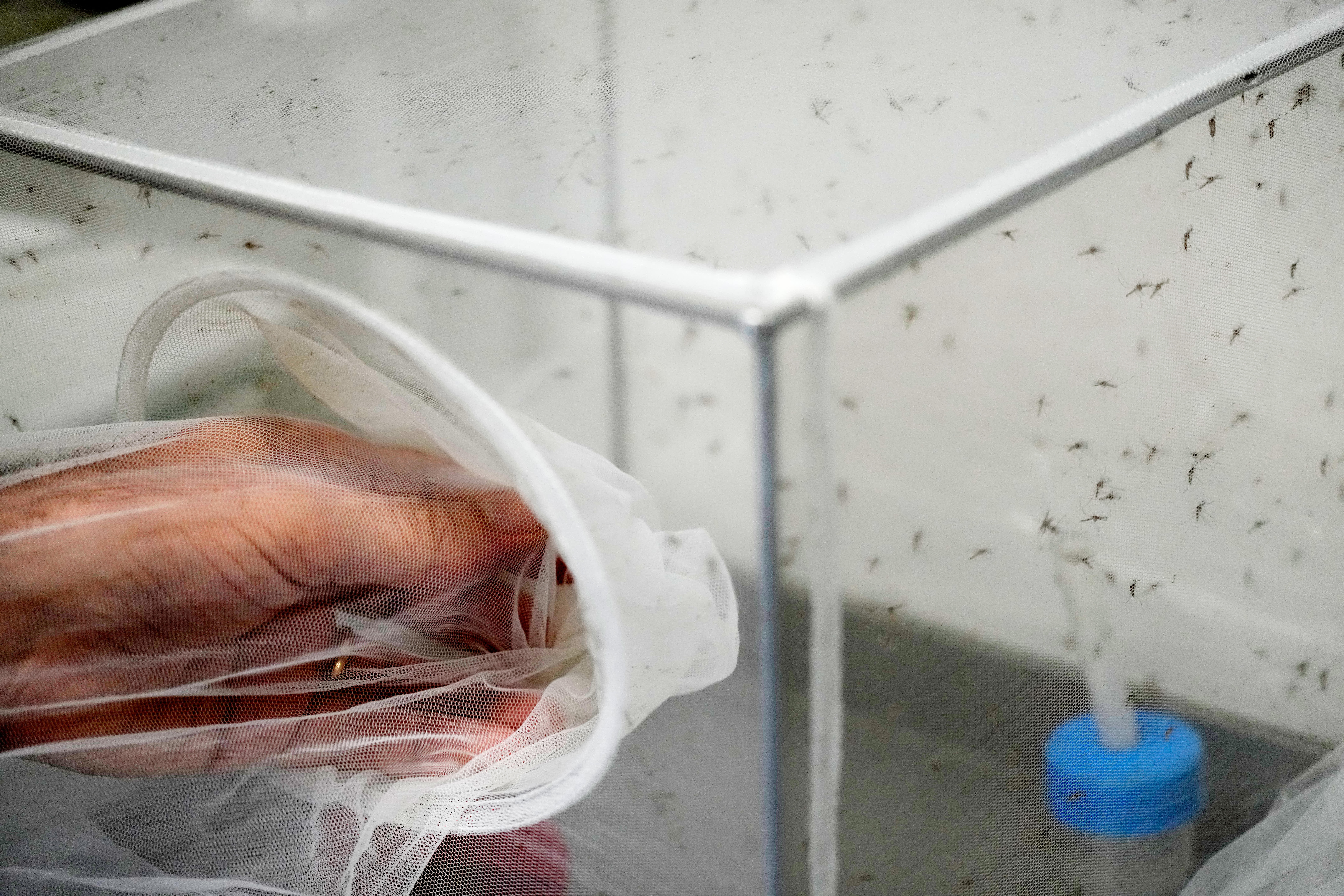
The ecological transformation of the Mediterranean basin has manifested in the quiet, aggressive expansion of vector-borne pathogens into northern latitudes. Italian epidemiological agencies have documented a significant surge in West Nile virus transmissions, correlating directly with abnormally warm summers and shortened winters. These climatic shifts allow mosquito populations to remain active for longer periods and reproduce at unprecedented rates. This epidemiological crisis exposes the vulnerability of public health infrastructure designed for temperate climates rather than tropical disease burdens. Healthcare systems across the Italian peninsula are struggling to adapt surveillance mechanisms to track shifting viral reservoirs in avian and insect populations. Regulatory bodies face severe friction in implementing timely mosquito abatement programs due to environmental restrictions on chemical pesticides and fragmented municipal governance. As the virus establishes permanent endemic footholds in new European provinces, the downstream casualties include strained blood supply safety protocols and increased morbidity among elderly populations. Blood donation centers now face rigorous, costly screening requirements to prevent transfusion-mediated transmission. The long-term trajectory points toward permanent vector control expenditures and the integration of tropical disease management into standard European public health policy.
Comments 0