Rising Stars' Setback: Patidar's Injury Reshapes India's Cricket Pipeline
Rajat Patidar's withdrawal from the India A squad for the ACC Rising Stars Asia Cup due to injury has forced the BCCI to name a replacement. The move highlights the fragility of the young talent pool and the pressure on the board to manage player welfare alongside competitive demands.
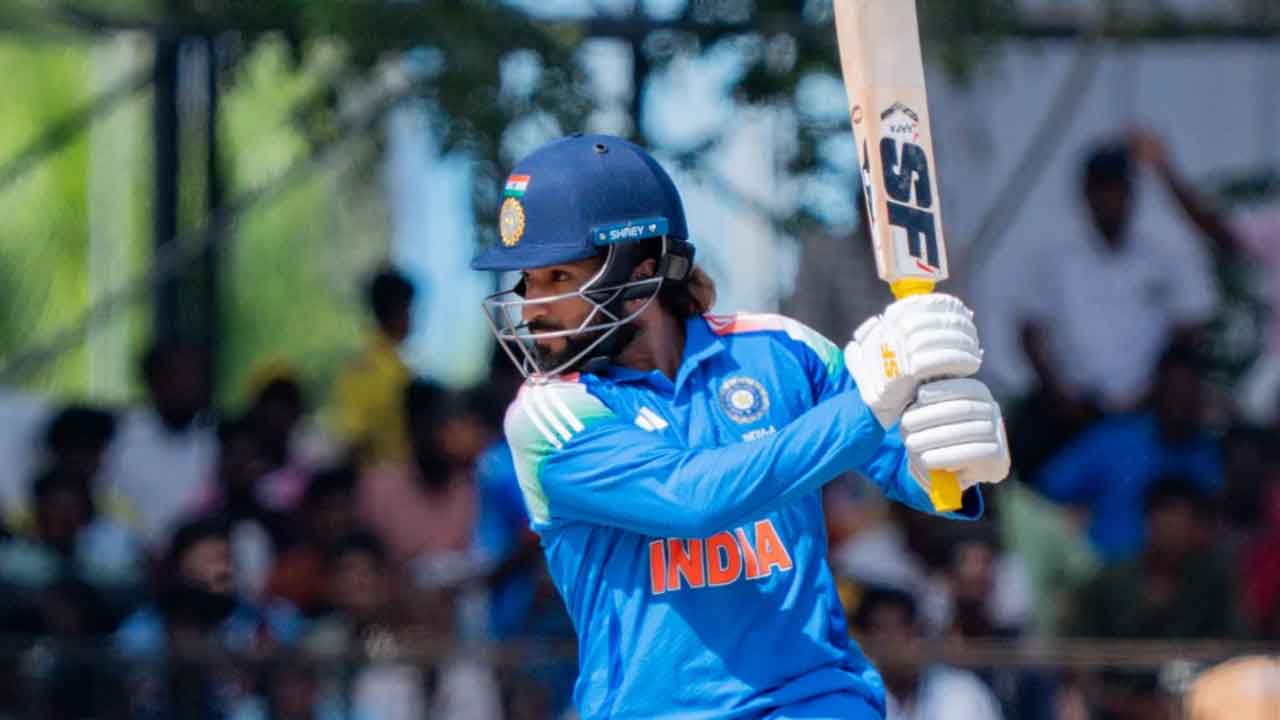
The concrete rupture is the disruption of the India A squad's preparation for the ACC Rising Stars Asia Cup. The withdrawal of Rajat Patidar, a key player in the squad, is a significant blow to the team's batting lineup. The immediate shockwave is the need for the BCCI to quickly name a replacement, which puts pressure on the board to make a decision that balances talent with readiness. The move also highlights the physical toll that the cricket calendar takes on young players, who are often pushed to perform at a high level without adequate rest.
The underlying tension is the clash between the BCCI's desire to field a competitive team and the need to protect the long-term health of its players. The institutional friction is evident in the way the board manages the workload of its players, which is often driven by the demands of the international calendar. The result is a system where players are at risk of injury, which can have long-term consequences for their careers. The friction is also evident in the way the board responds to injuries, with a tendency to prioritize the immediate competitive need over the player's well-being.
The downstream casualties are the young players who are struggling to adapt to the demands of the international game. The tangible outcome is a potential loss of talent, as players who are injured may not be able to recover in time for future tournaments. The structural consequence is a reevaluation of the BCCI's approach to player management, with a greater emphasis on rest and recovery. This could lead to a more sustainable model of player development, which will benefit the team in the long run.
Comments 0