Rubio's Visit to Reliance: A Diplomatic Pivot After the Musk-Ambani Rift
Secretary of State Marco Rubio is set to visit a Reliance refinery in India, a strategic move intended to stabilize US-India energy ties following the public friction between Elon Musk and Mukesh Ambani. The visit signals Washington's intent to decouple bilateral economic interests from the personal disputes of corporate titans.
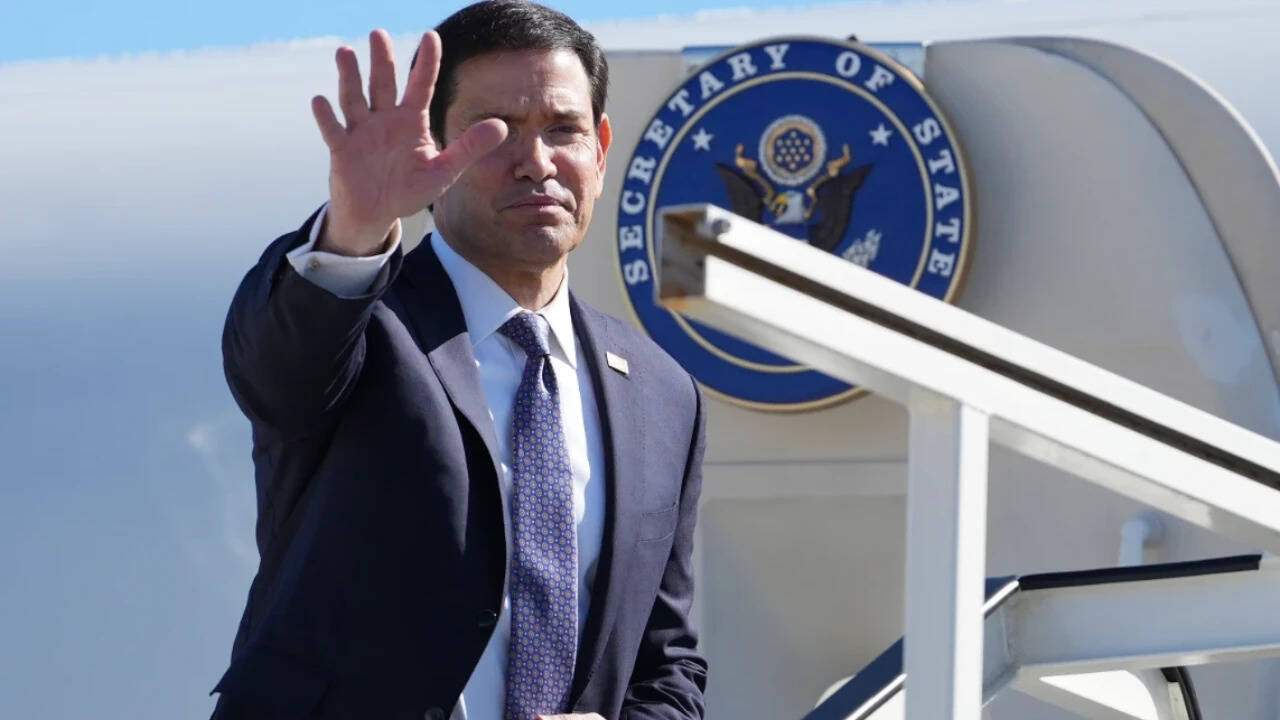
The concrete rupture in US-India relations was not a treaty violation but a social media exchange; the fallout from the public disagreement between Elon Musk and Mukesh Ambani has necessitated a high-level diplomatic intervention. Secretary of State Marco Rubio’s scheduled visit to a Reliance refinery serves as a tangible counterweight to the noise, grounding the bilateral relationship in the physical infrastructure of energy security. This is not merely a ceremonial tour; it is a calculated effort to reassure New Delhi that American policy remains anchored in strategic partnership rather than the whims of individual tech billionaires.
The underlying tension reveals a fragile ecosystem where corporate influence has begun to bleed into statecraft. For years, the US-India relationship was insulated from such personal drama, but the Musk-Ambani incident exposed the vulnerability of a partnership that increasingly relies on private sector champions. The institutional friction is evident in the need for the State Department to step in and repair a rift that was never officially diplomatic. This episode forces Washington to reassert its role as the primary arbiter of bilateral interests, reminding both New Delhi and Silicon Valley that national security and economic stability supersede individual egos.
The downstream consequence is a recalibration of how Indian leadership engages with American tech giants. Expect a more formalized, state-mediated channel for resolving disputes involving major corporate figures, reducing the risk of public spats escalating into policy crises. For Reliance, the visit validates its position as a critical node in the global energy supply chain, potentially accelerating negotiations on long-term fuel contracts. The tangible outcome is a reinforced commitment to energy independence for both nations, with the refinery visit serving as a symbol of a partnership that has survived its first major test of personal friction.
Comments 0