Samajwadi Party Sets Panel to Negotiate Seat‑Sharing with Congress
Akhilesh Yadav appointed a four‑member team to discuss alliance terms with the Congress ahead of the upcoming state elections. The move may alter the balance of power in Uttar Pradesh’s electoral calculus.
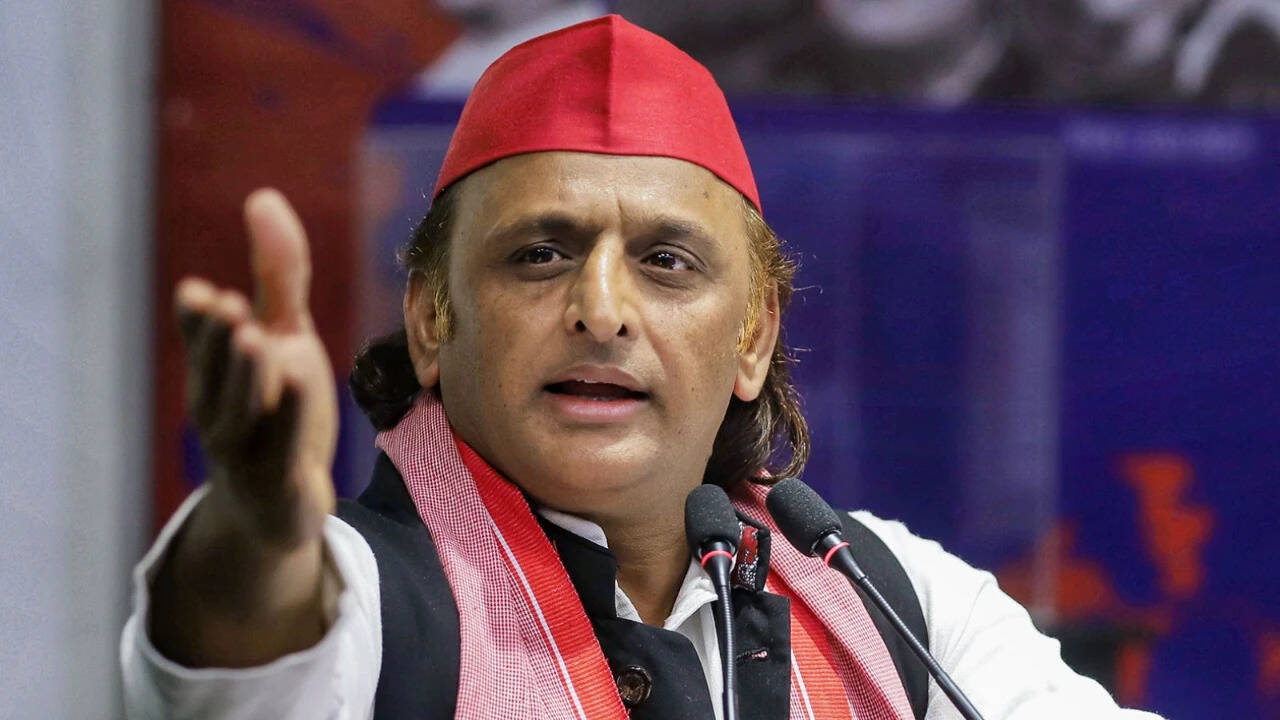
The concrete rupture manifested when Akhilesh Yadav, leader of the Samajwadi Party, announced the formation of a four‑member panel tasked with negotiating seat‑sharing arrangements with the Indian National Congress. The panel, comprising senior party strategists, was unveiled in Lucknow amid mounting pressure to consolidate anti‑BJP forces. Their mandate includes mapping constituencies, reconciling policy differences, and presenting a united front to the electorate, a step that could reshape the competitive dynamics of the forthcoming polls.
Underlying tension stems from historical mistrust between the two parties, each wary of ceding influence in key districts. While the Samajwadi Party seeks to preserve its core voter base in western Uttar Pradesh, the Congress aims to regain relevance after a series of electoral setbacks. Political analysts note that the negotiation process will test the parties’ ability to balance regional aspirations with national narratives, a delicate dance that could either forge a robust coalition or expose fissures that opponents may exploit.
Downstream consequences will be measured by voter response and the eventual seat distribution agreed upon. A successful alliance could pool resources, mobilize a broader coalition of caste and community groups, and potentially challenge the incumbent’s dominance. Conversely, a failed negotiation may fragment the opposition, allowing the ruling party to consolidate its hold on the state. Over the next year, the panel’s progress will likely influence campaign strategies, fundraising patterns, and the broader narrative of opposition unity in Uttar Pradesh.
Comments 0