Samajwadi Party's 300-unit free power promise may cost UP Rs 34,746 crore, taking total annual electricity subsidy burden to Rs 47,591 crore
The Samajwadi Party’s promise of free electricity for 300 units could add Rs 34,746 crore to Uttar Pradesh’s fiscal burden, raising the total annual subsidy to Rs 47,591 crore. The figure highlights the financial strain of large‑scale power subsidies on the state budget.
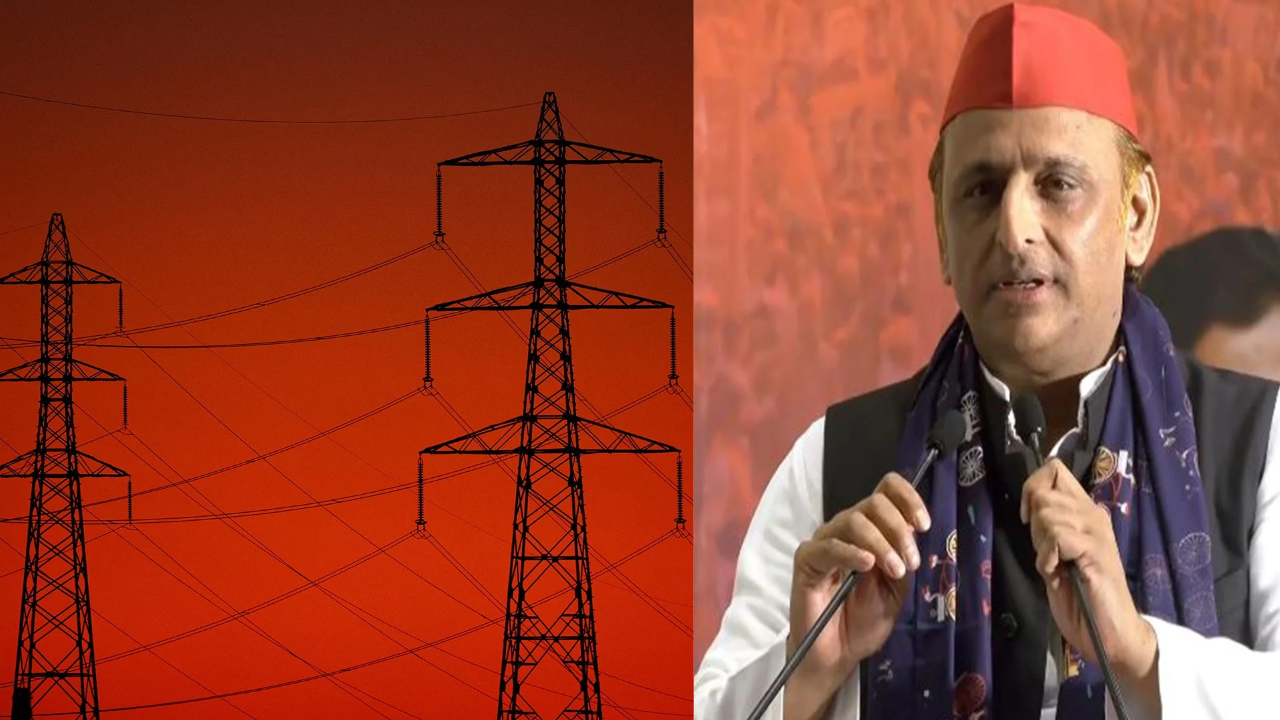
The Samajwadi Party has announced a scheme that would provide free electricity to households consuming up to 300 units per month, a promise that analysts estimate could cost the Uttar Pradesh government an additional Rs 34,746 crore each year. When combined with existing subsidies, the total annual electricity subsidy burden would rise to roughly Rs 47,591 crore, representing a significant share of the state’s planned expenditures for the fiscal year. The proposal is being positioned as a relief measure for low‑income families, but critics argue that the scale of the subsidy may be unsustainable without major revenue adjustments.
Uttar Pradesh, India’s most populous state, already faces fiscal pressures from infrastructure development, education, and health spending. The electricity sector in the state has long been characterized by high transmission losses, delayed payments to power generators, and a complex tariff structure. Adding a large free‑power component could exacerbate these challenges, potentially leading to higher tariffs for other consumer categories or increased borrowing by the state government. Financial experts suggest that the success of the scheme will depend on careful targeting and robust mechanisms to prevent misuse.
For voters and residents of Uttar Pradesh, the promise of free electricity touches on everyday concerns about rising utility bills and energy access. The political impact of the pledge may be significant as elections approach, but the practical implementation will require detailed planning, clear eligibility criteria, and a reliable funding source. Observers will be tracking the state’s budget documents and any legislative moves that could shape the final design of the subsidy program.
Comments 0