Samarthak Commissioned: India's Indigenous Naval Power Projection Enters a New Era
The Indian Navy has commissioned the INS Samarthak, its first multi-purpose 'Make in India' warship, marking a significant milestone in defence self-reliance. The vessel is designed to serve as a versatile utility ship for strategically important operations, reducing dependence on foreign platforms for critical maritime tasks.
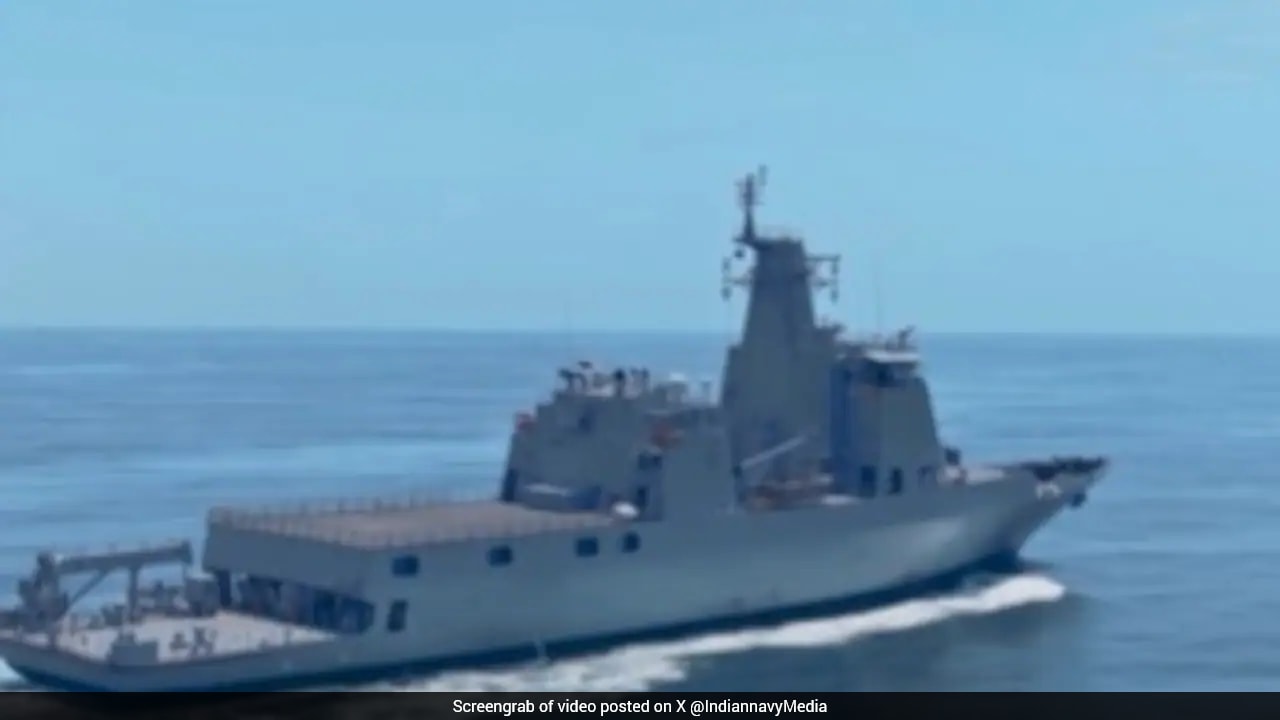
The commissioning of INS Samarthak is a concrete rupture in India's long-standing reliance on imported naval assets. Built domestically, this multi-purpose vessel represents a shift in the strategic calculus of the Indian Navy, which has historically depended on foreign designs for its utility and support ships. The ship is not merely a platform; it is a statement of industrial capability, demonstrating that India can design, build, and deploy complex naval assets that meet the rigorous demands of modern warfare and humanitarian assistance. The immediate impact is a reduction in vulnerability to supply chain disruptions and a boost to the domestic defence industry.
The underlying tension in this development is the balance between speed and self-reliance. For decades, the Indian Navy has faced criticism for its slow adoption of indigenous technology, often opting for proven foreign systems to ensure operational readiness. The success of Samarthak challenges this inertia, suggesting that domestic engineering can now match or exceed foreign standards in specific domains. This institutional shift is driven by the geopolitical reality of a contested Indo-Pacific, where control over maritime routes is paramount. The Navy's decision to prioritize such vessels reflects a deeper understanding of the need for sustained, independent operational presence.
The downstream consequences extend beyond the Navy's immediate operational capabilities. The success of Samarthak will likely accelerate the procurement of other indigenous platforms, creating a ripple effect through the defence manufacturing sector. This will lead to the creation of high-skilled jobs and the development of a robust supply chain for naval components. For the broader strategic picture, it means India can project power more effectively in the Indian Ocean and beyond, without the political and logistical constraints of foreign dependency. The 12-month outlook suggests a surge in contracts for similar vessels, solidifying India's position as a major naval power with a self-sufficient industrial base.
Comments 0