Scientific Inquiries Link Adult Immunization to Longevity
Recent epidemiological studies suggest that the Shingrix vaccine offers secondary protective benefits against cardiovascular disease and cognitive decline. Public health researchers are actively investigating the systemic biological mechanisms driving these unexpected outcomes.
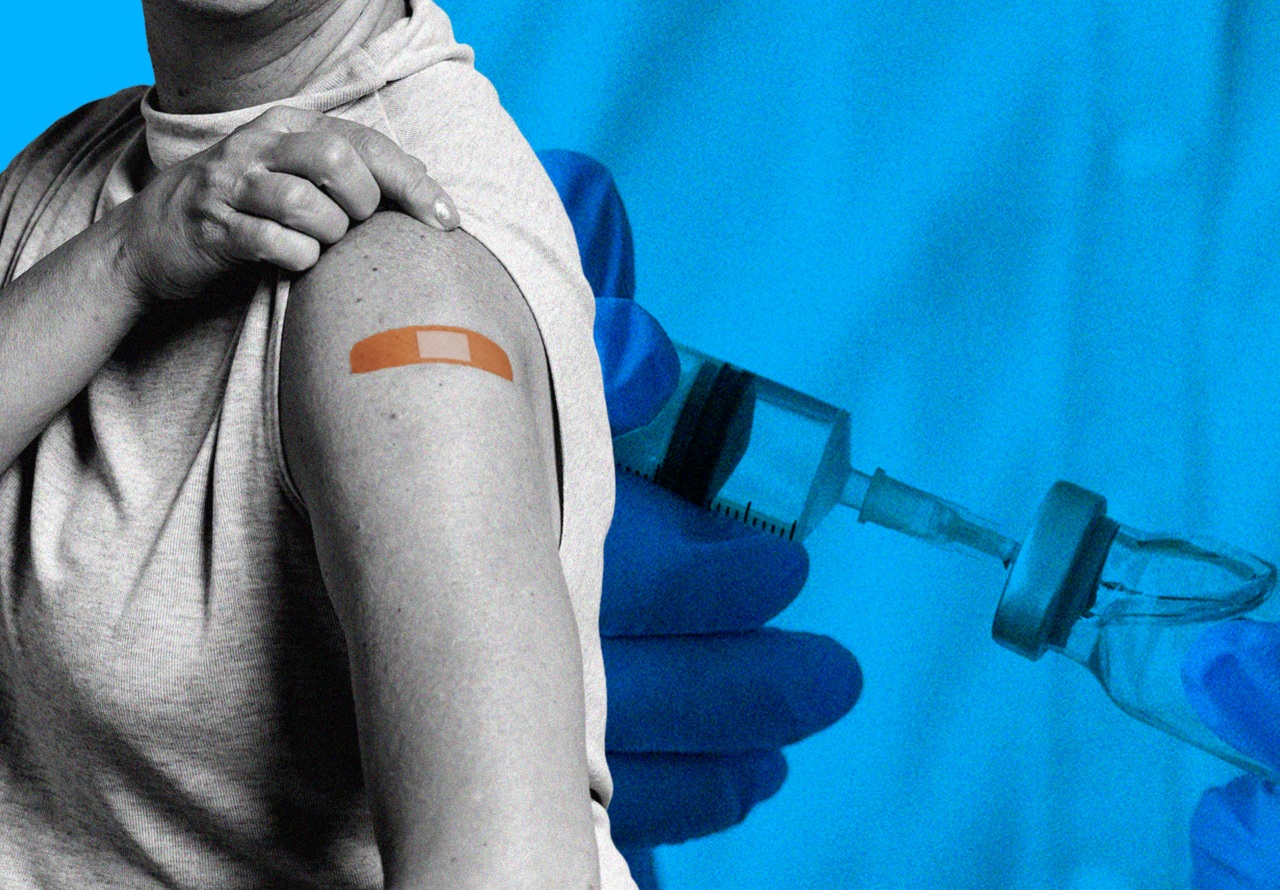
Medical research occasionally uncovers profound systemic benefits from targeted interventions designed for entirely different pathologies. A growing body of clinical data indicates that the recombinant shingles vaccine does more than prevent painful neural inflammation. Epidemiologists tracking longitudinal patient outcomes observe statistically significant delays in the onset of dementia and reduced incidences of cardiovascular events among vaccinated cohorts. The medical establishment is currently grappling with the challenge of proving direct causality versus correlation in these demographic studies. Chronic viral reactivation and persistent low-grade systemic inflammation are suspected drivers of both neurodegeneration and vascular arterial plaque buildup. By neutralizing the dormant varicella-zoster virus, the vaccine may inadvertently reduce the body's overall inflammatory burden. Pharmaceutical manufacturers and public health agencies face potential paradigm shifts in immunization policy if these findings are clinically validated. Vaccine distribution strategies could pivot from age-specific infection control to broad anti-aging and preventative wellness protocols. Healthcare systems would experience a fundamental restructuring of prophylactic care economics.
Comments 0