Sebi studying various SLBM models: Pandey
SEBI chairman Tuhin Kanta Pandey announced that the regulator is reviewing international stock lending and borrowing models to improve India's market infrastructure. The study aims to identify best practices that could be adapted for domestic use. The move comes as part of SEBI's broader effort to enhance liquidity and efficiency in Indian capital markets. By examining how other jurisdictions manage securities lending, the regulator hopes to create a framework that balances investor protection with the needs of institutional participants. If adopted, the new model could affect a wide range of market players, from mutual funds to foreign portfolio investors, by providing additional avenues for short‑selling and risk management.
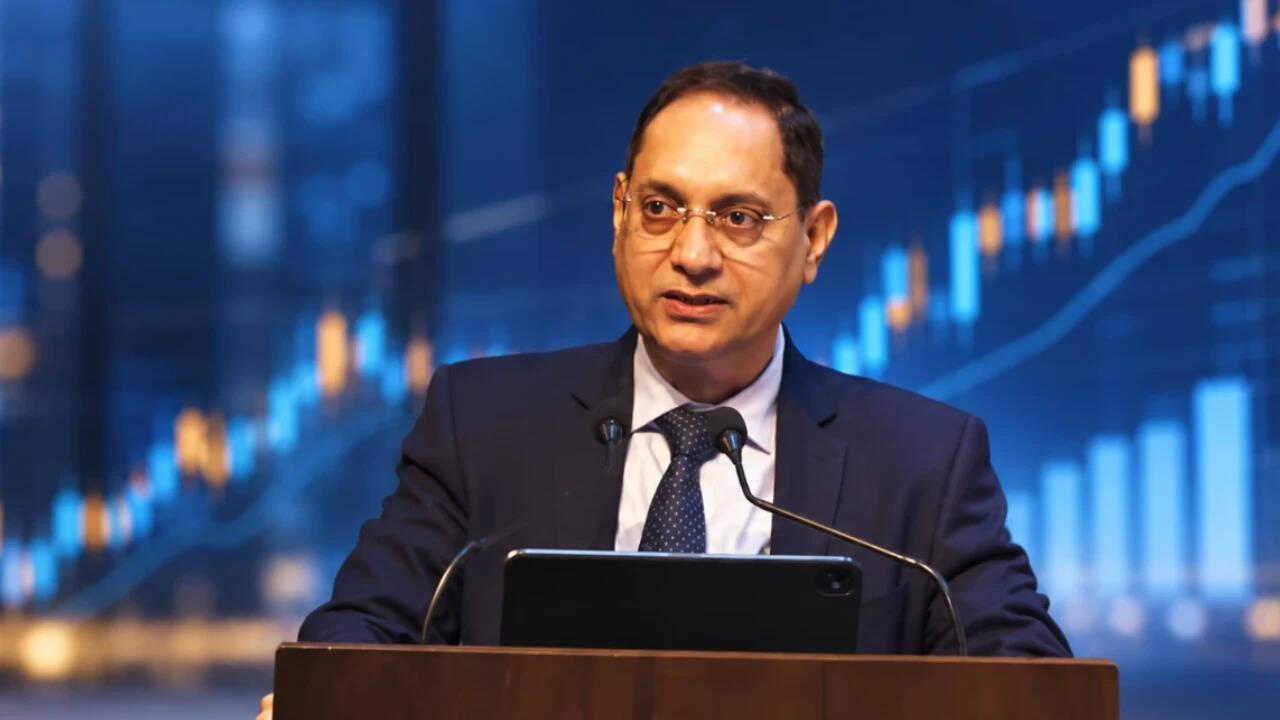
During a recent session at the World Federation of Exchanges conference, SEBI chairman Tuhin Kanta Pandey outlined the regulator's intention to study various stock lending and borrowing (SLB) mechanisms employed abroad. He noted that several mature markets have established robust SLB frameworks that support short‑selling, improve price discovery, and increase overall market depth. SEBI's research team is gathering data on operational procedures, collateral requirements, and settlement cycles from jurisdictions such as the United States, United Kingdom, and Singapore.
The rationale behind this initiative is to address concerns about limited liquidity in certain Indian securities and to provide institutional investors with more tools for managing portfolio risk. Currently, the Indian market relies on a relatively nascent SLB system that operates under strict regulatory oversight, which some market participants view as restrictive. By learning from international examples, SEBI aims to design rules that protect investors while encouraging responsible borrowing and lending of shares, potentially leading to tighter spreads and more efficient price formation.
For Indian investors and market watchers, the proposed changes could have far‑reaching implications. A well‑structured SLB framework may attract greater participation from foreign funds seeking to employ hedging strategies, thereby increasing foreign inflows. Additionally, domestic mutual funds and pension schemes could use securities lending to generate incremental returns, which may ultimately benefit end‑users through lower expense ratios. The regulator has indicated that any policy shift will undergo a public consultation process, allowing stakeholders to provide feedback before final rules are issued.
Comments 0