Sergio Gor Signals Completion of Core India-US Trade Deal Terms
US Ambassador Sergio Gor has indicated that the major components of the bilateral trade agreement are finalized, offering a counter-narrative to recent threats of sanctions. This development suggests a strategic pivot toward de-escalation in economic relations between the two nations.
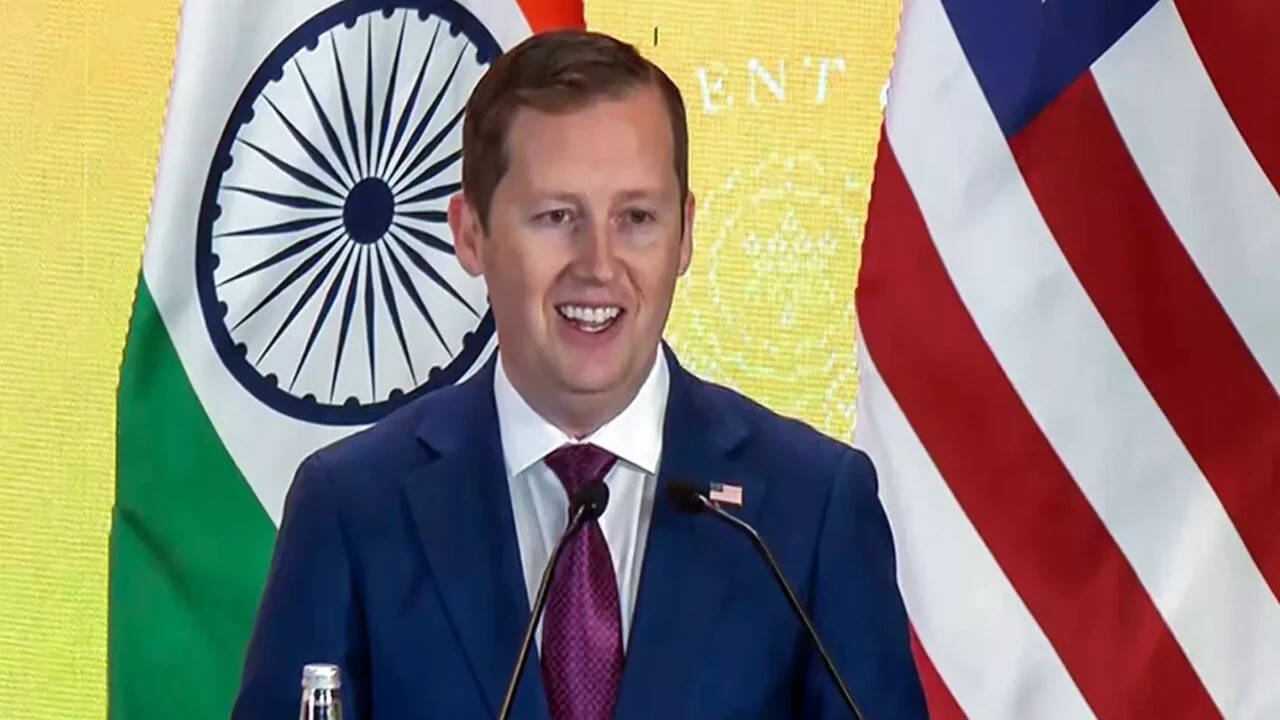
The announcement by US Ambassador Sergio Gor that the 'big items' of the India-US trade deal are complete marks a significant shift in the diplomatic tone between the two powers. This statement serves as a direct rebuttal to the earlier rhetoric of punitive tariffs and sanctions, suggesting that the core economic negotiations have reached a consensus. The immediate shockwave is a stabilization of market expectations, as investors and policymakers alike seek clarity on the future of bilateral trade flows. The completion of these core terms implies that the remaining issues are likely to be technical or procedural rather than fundamental.
The underlying tension in this relationship has been characterized by a push-and-pull dynamic, where economic interests are often entangled with geopolitical considerations. The US has historically used trade leverage to address concerns over market access, intellectual property, and strategic alignment. India, on the other hand, has consistently sought to protect its domestic industries while expanding its export base. The friction between these two approaches has led to periods of heightened tension, but the current progress suggests that both sides have found a middle ground that accommodates their respective priorities.
The downstream consequences of this deal will be felt across multiple sectors, from agriculture to technology. A finalized trade agreement is likely to reduce costs for businesses operating in both countries, fostering greater integration of supply chains. However, the tangible outcome also depends on the implementation of the agreed terms, which will require robust institutional mechanisms to monitor compliance. The 12-month structural consequence will be a more predictable trade environment, allowing for long-term investment decisions and deeper economic cooperation between the two largest democracies in the world.
Comments 0