Sheena Bora Trial Concludes, Prosecutors Rest Their Case After Nine Years
After a protracted nine‑year courtroom saga, the prosecution in the Sheena Bora murder case presented its final arguments and withdrew further evidence. The closure marks a decisive moment for a case that has captivated the nation and tested investigative procedures.
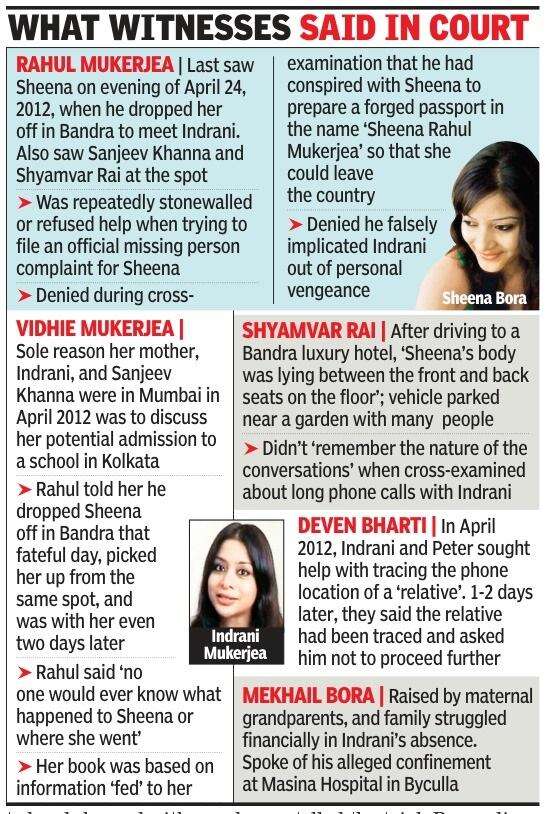
The courtroom in Mumbai resonated with the weight of history as senior counsel for the state rose to deliver the concluding statements in the Sheena Bora murder trial. Over the course of nine years, the case has traversed multiple investigative agencies, witnessed shifting public opinion, and endured a litany of procedural challenges. The prosecution’s final submission reiterated the central narrative of a clandestine killing orchestrated by powerful figures, while acknowledging the exhaustion of admissible material after exhaustive examination of witnesses and forensic reports.
Underlying the trial has been a persistent tension between law‑enforcement bodies and the media, each vying to shape the story that unfolded in the public arena. The investigative agencies faced criticism for alleged lapses in evidence preservation and delays that allowed key witnesses to become unavailable. Simultaneously, the press maintained relentless scrutiny, turning the courtroom into a stage where societal expectations of justice clashed with the procedural realities of the Indian legal system. This friction highlighted broader questions about the capacity of institutions to manage high‑profile crimes without succumbing to external pressures.
The immediate aftermath sees the families of the victim confronting a mixture of relief and lingering uncertainty, as the legal closure does not guarantee a swift resolution of sentencing. The broader legal community may interpret the conclusion as a catalyst for reform, prompting calls for stricter timelines in complex investigations and enhanced protection for witnesses. Over the coming months, the case is poised to influence public discourse on the balance between media exposure and the sanctity of judicial processes.
Comments 0