Shifting Demographics and Domestic Tourism Redefine Travel Patterns Across Northern India
Recent tourism data reveals a profound transformation in leisure habits, characterized by a sharp rise in short-duration excursions and spiritual pilgrimages. Uttar Pradesh has emerged as the premier destination, outpacing traditional leisure hotspots in visitor volume.
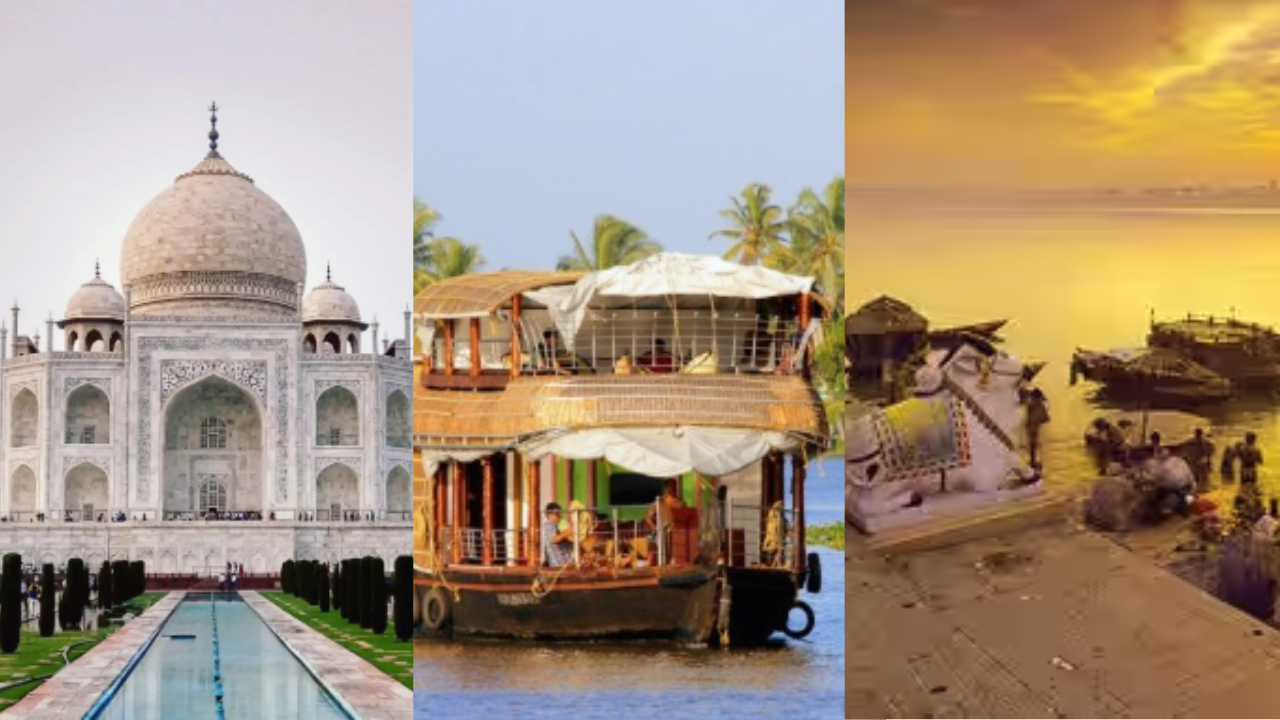
The cultural geography of Indian domestic tourism is experiencing a structural realignment as millions of travelers favor frequent, shorter getaways over extended annual vacations. Spiritual destinations and upgraded temple corridors are capturing the lion's share of this burgeoning travel wave, propelling Uttar Pradesh to the forefront of national hospitality metrics. This shift reflects rising disposable incomes among middle-class households combined with massive infrastructure investments in religious tourism circuits. Hospitality providers and regional transport networks are scrambling to adapt to weekend surges that strain municipal resources and hotel capacities. While this boom generates substantial revenue for local economies, it creates severe urban management challenges regarding waste disposal, water consumption, and crowd control during peak festival periods. Traditional hill stations, meanwhile, report declining average stays as tourists redirect their travel budgets toward pilgrimage hubs. The enduring consequence is a fundamental restructuring of the national hospitality sector, forcing investors to reallocate capital toward religious tourism infrastructure. Smaller towns along arterial highway networks are transforming into commercial service centers, altering rural employment patterns and local real estate markets permanently.
Comments 0