Silicon Scarcity: Memory Chip Manufacturers Warn of Persistent RAM Shortages Through 2028
Global semiconductor executives project that acute RAM shortages and escalated pricing structures will persist for multiple years. This hardware squeeze threatens profit margins across consumer electronics and enterprise computing infrastructure.
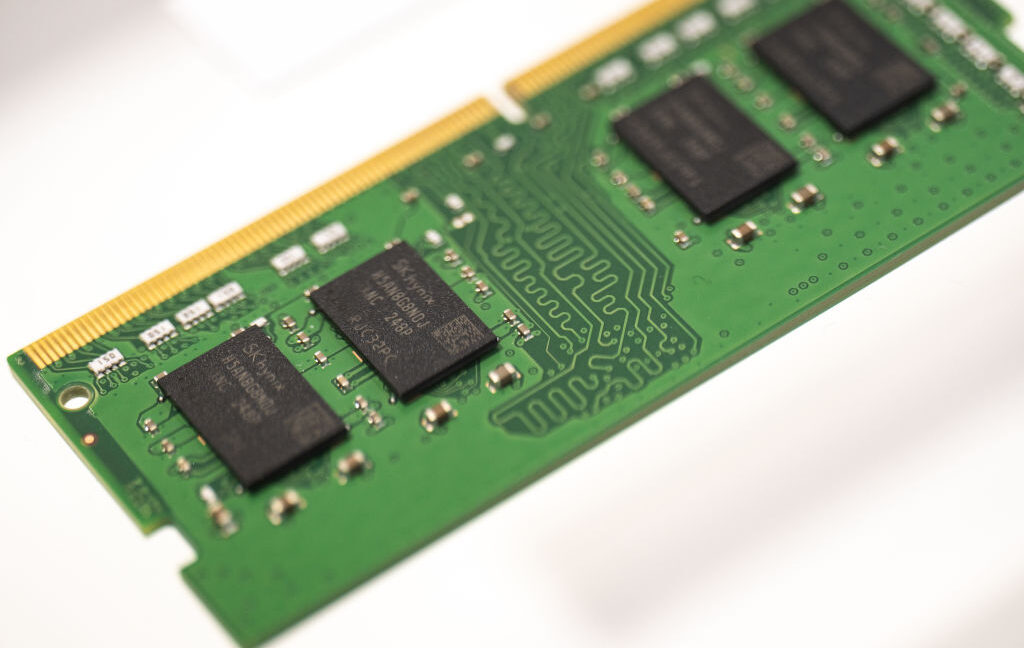
Major memory manufacturers have signaled that global supply constraints for dynamic random-access memory will extend deep into the latter half of the decade. Pricing agreements negotiated for upcoming production cycles reflect steep cost escalations driven by unremitting demand from artificial intelligence infrastructure and data center expansion. Fabrication plants operate at maximum capacity, yet output fails to satisfy the voracious appetite of hardware assemblers. This bottleneck underscores the structural inflexibility of global semiconductor supply chains, where capital-intensive fabrication facilities require years to construct and operationalize. Memory producers prioritize high-margin enterprise silicon over consumer-grade components, creating acute deficits for personal computing and mobile device manufacturers. Hardware vendors find themselves trapped between absorbing soaring component costs or alienating price-sensitive consumers. Downstream casualties include consumer electronics brands facing compressed profit margins and delayed product launch schedules. The tangible outcome is a permanent recalibration of hardware pricing models, pushing affordable computing devices further out of reach for emerging markets. Enterprise purchasers must now secure multi-year procurement contracts to hedge against ongoing silicon inflation.
Comments 0