So what does a severe AQI day actually mean for a Delhi family’s daily routine?
A severe Air Quality Index (AQI) reading in Delhi signals hazardous levels of pollutants, prompting health advisories that affect daily routines for families across the city. The article explains how a typical Delhi household adjusts its day-to‑day activities during such conditions.
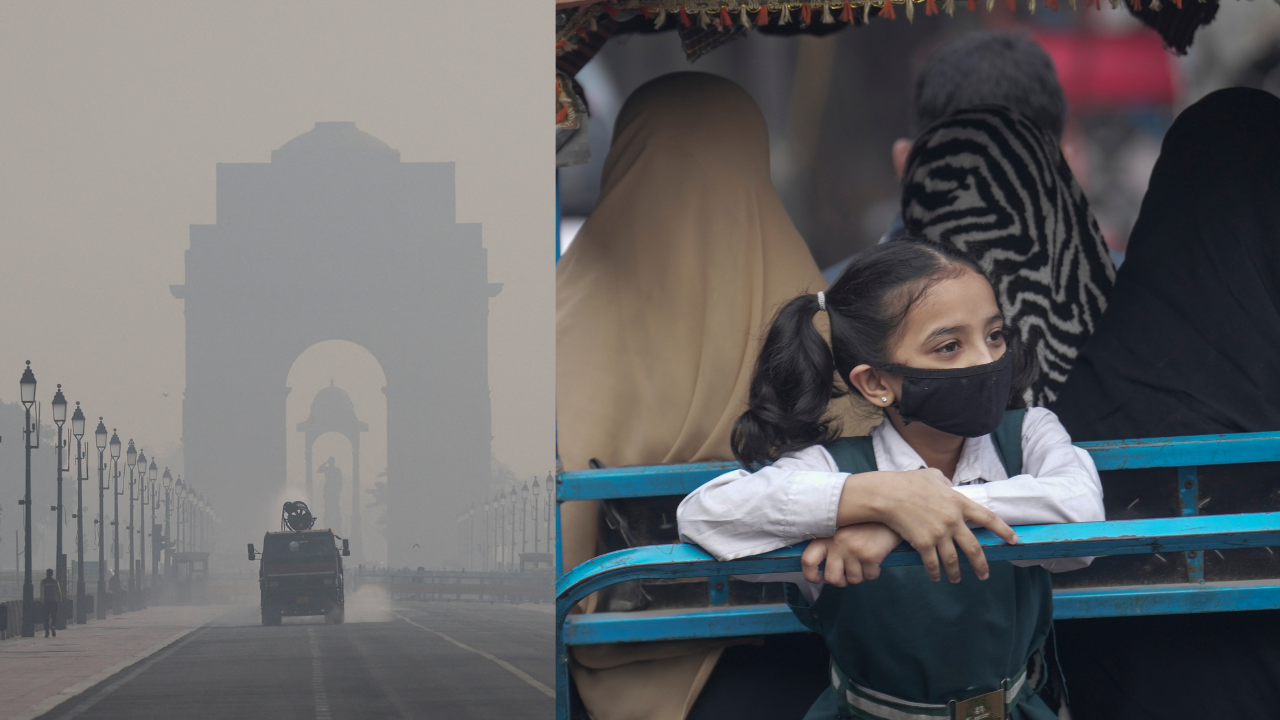
When the Air Quality Index reaches the severe range, typically above 300, the concentration of fine particulate matter (PM2.5) and other pollutants rises to levels that can cause immediate health effects, especially for children, the elderly, and people with respiratory conditions. Government agencies issue alerts that recommend limiting outdoor exposure, closing schools, and postponing outdoor events. In Delhi, the combination of vehicle emissions, construction dust, and seasonal crop burning often pushes the AQI into this dangerous zone during the winter months, creating a public health challenge that requires coordinated action.
For a Delhi family, a severe AQI day reshapes the entire schedule. Parents may keep children at home instead of sending them to school, or schools may switch to online classes if the government issues a blanket closure. Commuters opt for private vehicles with air‑conditioned cabins, use masks that filter fine particles, or rely on public transport equipped with better filtration systems. Inside the home, many households turn on air purifiers, keep windows shut, and limit cooking that generates smoke. Outdoor activities such as jogging, playing cricket, or visiting parks are postponed, and even short trips to the market are planned for times when the AQI briefly improves.
Longer term, repeated severe AQI episodes have prompted the city administration to implement measures such as expanding green cover, enforcing stricter vehicle emission standards, and promoting the use of cleaner fuels. Public awareness campaigns encourage citizens to monitor daily AQI reports via mobile apps and to adopt protective habits during high‑pollution periods. For readers, staying informed about the AQI forecast and understanding the recommended precautions can reduce health risks and help families maintain a semblance of normalcy even when the air quality deteriorates sharply.
Comments 0