SoftBank Junk Bond Deal Signals Costly Capital Realities for Artificial Intelligence
SoftBank has ventured into high-yield junk bonds to fund its aggressive artificial intelligence ambitions. This financial maneuver demonstrates that cheap capital for technological expansion has officially evaporated, forcing tech giants to accept steeper borrowing costs.
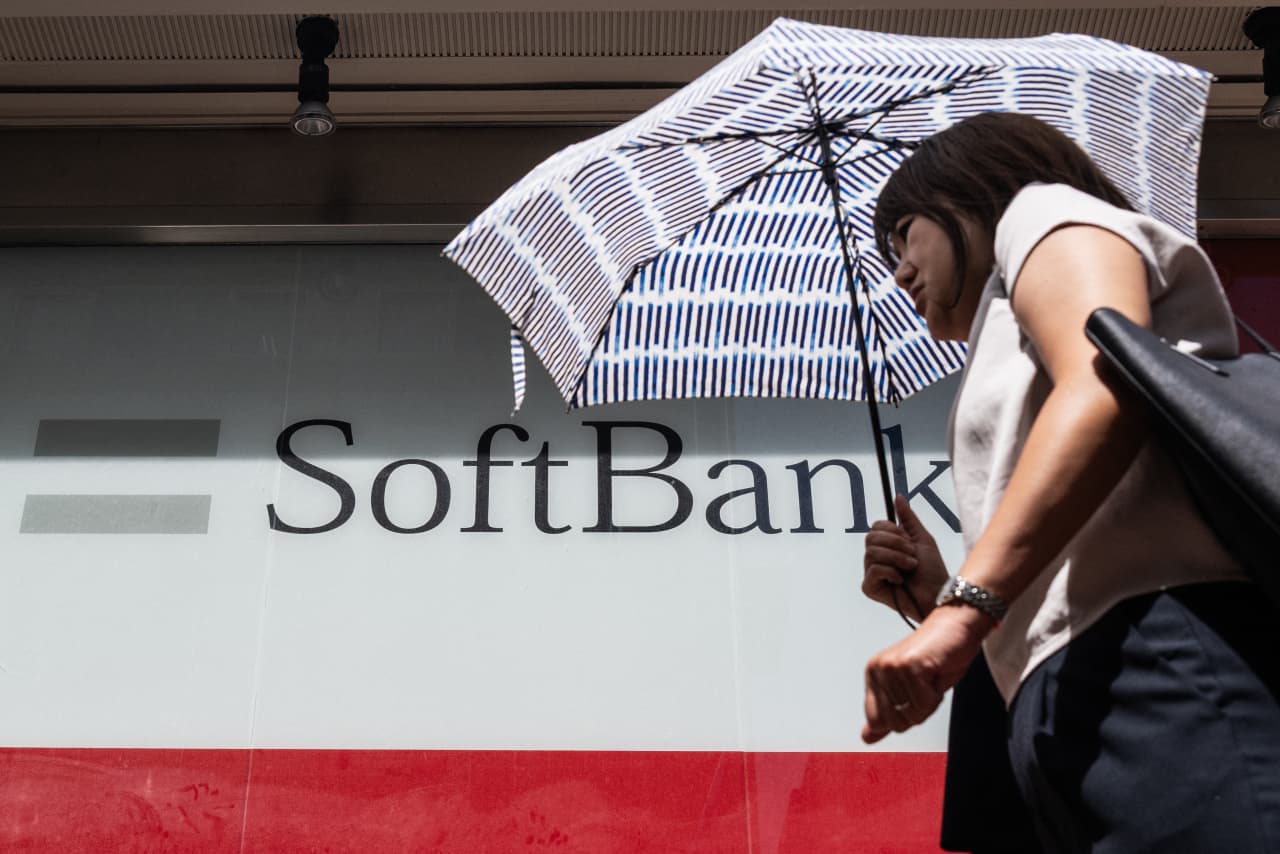
The global race for artificial intelligence dominance is shifting from cash-rich balance sheets to high-risk debt markets. SoftBank executed a massive junk-bond issuance to secure liquidity for its expanding technology portfolio, signaling a major shift in how the sector finances its ambitions. Investors in these instruments are demanding significantly higher premiums to compensate for the immense speculative risks inherent in rapid infrastructure build-outs. For years, mega-scale technology initiatives relied on ultra-low interest rates and venture capital abundance. As central banks maintain higher borrowing costs to combat persistent inflation, tech conglomerates must navigate a considerably harsher financial environment. This particular funding strategy highlights the underlying tension between the astronomical capital requirements of large language models and the plateauing immediate returns on those investments. The immediate consequence is a stark polarization between cash-dominant technology monopolies and secondary players who must borrow at punitive rates to stay competitive. Smaller firms risk drowning in debt servicing costs, leaving the global race increasingly consolidated among a handful of well-capitalized behemoths. Lenders, meanwhile, are closely monitoring whether speculative debt can sustainably fuel speculative software innovations.
Comments 0