Sonia Gandhi Memoir Details Historical Party Dynamics and Political Transitions
Senior Indian politician Sonia Gandhi released a new memoir reflecting on critical historical moments within the Congress party, including Pranab Mukherjee’s leadership suggestions and the political entry of Rahul Gandhi. The disclosures offer rare institutional introspection from within the party's apex leadership.
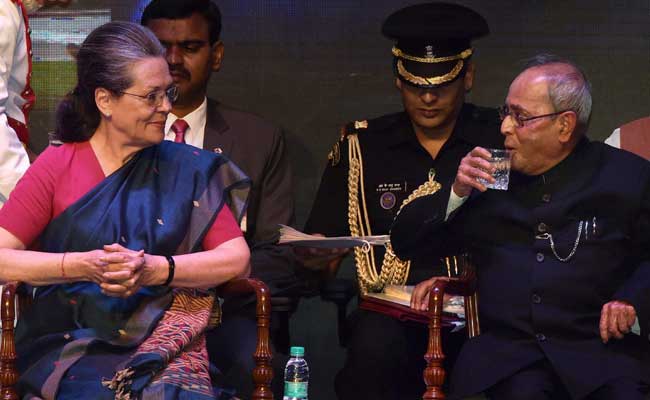
In her new literary work exploring decades of political leadership, senior Congress figure Sonia Gandhi revealed previously undisclosed internal discussions regarding party hierarchy and succession. Among the revelations was her recollection of Pranab Mukherjee surprising the party leadership with unexpected proposals regarding structural changes at the top of the organization during critical political transitions. Despite historical friction and strategic disagreements, Gandhi noted the eventual nomination of Mukherjee to the presidency in 2012 as an acknowledgment of his institutional experience within the republic.
The volume also addresses the deliberate entry of Rahul Gandhi into active electoral politics, explaining the absence of maternal resistance by framing it as a continuation of familial legacy. Rajiv Gandhi had previously introduced his son to the realities of rural destitution in constituencies like Amethi during his school years, conditioning him for the pressures of public service. These memoirs provide a window into the inner workings of India's oldest political dynasty, where personal relationships, familial duty, and national party survival remain inextricably intertwined.
The publication of these reflections arrives at a delicate juncture for the opposition party as it attempts to redefine its ideological appeal and leadership structure in a changing electoral environment. By framing past internal disputes through a lens of eventual reconciliation, the narrative seeks to project organizational resilience while acknowledging the heavy personal costs borne by political families. Analysts and rival political entities will scrutinize these accounts to build counter-narratives regarding dynastic politics and historical decision-making within the central opposition.
Comments 0