Sonia Gandhi's Memoir Ignites a Fracture Within the Congress Family
The release of Sonia Gandhi's memoir, 'Belonging: A Journey of Love', has triggered a public dispute with the family of former President Pranab Mukherjee. The controversy centers on a disclosed 2010 conversation where Mukherjee suggested a change at the top, a remark that has now become a focal point for political scrutiny.
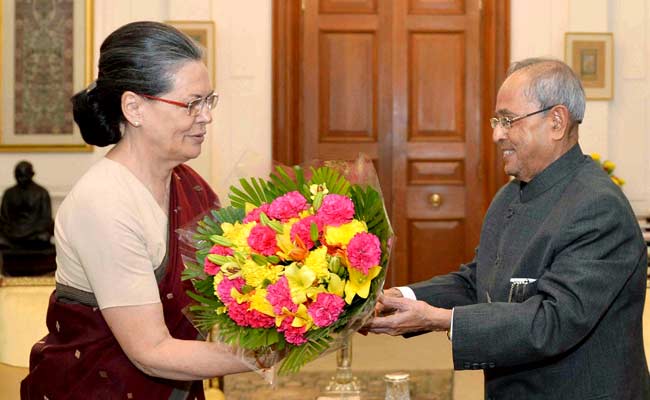
The publication of Sonia Gandhi's autobiography has moved beyond the realm of literary interest to become a significant political event in India. The book, released worldwide, contains a specific recollection of a 2010 dialogue with Pranab Mukherjee, during which he reportedly suggested it was time for a change in leadership. This disclosure has immediately drawn a sharp response from Mukherjee's daughter, who has publicly challenged Gandhi's characterization of the exchange, accusing her of misrepresenting the intent and context of the conversation. The incident has transformed a personal memoir into a contested historical record, with both sides now engaged in a public battle over the narrative of Congress internal dynamics during that period.
The underlying tension reflects the deep-seated fragility of the Congress party's internal cohesion. For decades, the Gandhi family has maintained a near-monopoly on the party's narrative, often framing internal dissent as disloyalty. By including this specific anecdote, Gandhi has inadvertently opened a door that allows former allies to contest the official version of events. The friction is not merely about one conversation but about the broader power dynamics within the party, where the legacy of the Gandhi name is both a shield and a weapon. The reaction from the Mukherjee family signals that the era of unquestioned deference to the party leadership is eroding, with former colleagues now willing to challenge the memoirist's account in public forums.
The immediate consequence is a further weakening of the Congress party's unified front ahead of upcoming electoral cycles. The dispute has provided opposition parties with fresh material to highlight internal discord, potentially distracting the electorate from policy debates. For the Congress, the challenge is to contain the fallout without appearing defensive, a difficult task given the personal nature of the allegations. The incident underscores the high stakes involved in political memoirs, where every word is scrutinized for its potential to destabilize alliances and reshape public perception of key political figures.
Comments 0