South Africa Races to Replant Stolen Baobabs
Environmentalists in South Africa are urgently working to replant five centuries-old baobab trees that were illegally dug up for export. The incident, involving 20-tonne trees removed without permits, has sparked a national effort to preserve these iconic and ecologically significant specimens.
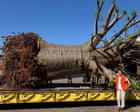
In South Africa, a race is on to replant five ancient baobab trees that were illegally excavated by an exporter. The trees, which are centuries old and weigh approximately 20 tonnes each, were removed without the necessary permits, intended for an unnamed buyer in Georgia. This act of environmental theft has triggered a rapid response from conservationists and local authorities, who are working to ensure the trees are returned to their original habitat and survive the transplantation process.
The underlying tension in this case highlights the conflict between commercial interests and environmental preservation. Baobab trees are not only ecologically important but also hold significant cultural and symbolic value in South Africa. The illegal export of such trees represents a violation of national laws and a threat to the country's natural heritage. This incident has drawn attention to the challenges of enforcing environmental regulations and protecting rare species from exploitation.
The immediate outcome of this incident is a renewed focus on the protection of South Africa's natural resources. The successful replanting of the baobabs will be a test of the country's commitment to environmental conservation and its ability to deter illegal activities. This event also serves as a warning to other potential offenders and may lead to stricter enforcement of laws governing the export of natural resources. The incident underscores the importance of preserving biodiversity and the need for robust legal frameworks to protect it.
Comments 0