SpaceX Starship Prepares for Orbital Debut as Global Aerospace Stakes Reach Zenith
SpaceX is preparing to launch Starship on a comprehensive ten-hour mission involving six full orbits around the Earth. The success of this orbital test will determine the commercial viability of next-generation interplanetary transit and heavy-payload deployment.
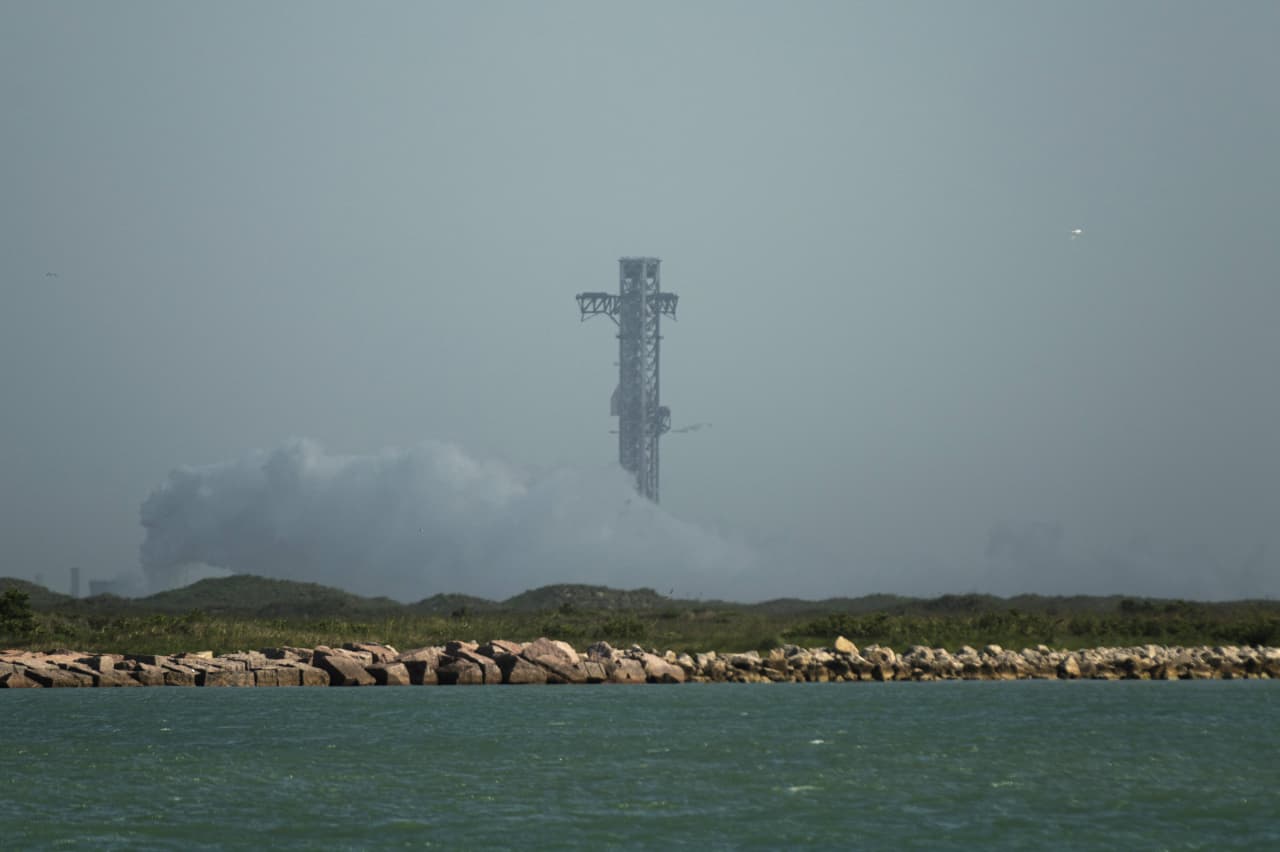
The impending orbital test of SpaceX’s massive Starship vehicle represents a major escalation in commercial aerospace competition. Engineers at Starbase have calibrated the integrated flight systems to execute a grueling ten-hour profile, testing thermal protection, stage separation, and orbital maneuvering on an unprecedented scale. Success will validate the architecture required for future lunar and Martian landings. At the core of this endeavor lies intense pressure from institutional partners, commercial satellite operators, and NASA, all of whom have tied multi-billion-dollar mission timelines to Starship readiness. Regulatory bodies have scrutinized every telemetry vector, balancing the commercial urgency of rapid iteration against public safety protocols in coastal splashdown zones. The tension between regulatory caution and corporate velocity defines the modern space economy. Should the vehicle complete its orbital trajectory, the aerospace industry will witness an immediate recalibration of launch economics and payload capacity. Competitors lacking comparable heavy-lift capability face obsolescence in securing lucrative government and commercial contracts. Conversely, failure will trigger severe financial retrenchment and prompt federal regulators to impose stringent operational restrictions on subsequent flight windows.
Comments 0