Spain's Rail Catastrophe: A Second Deadly Crash Shakes National Confidence
A second high-speed rail disaster in Spain this year has killed 68 people, exposing critical safety failures in the country's infrastructure. The incident has intensified public scrutiny and political pressure ahead of the upcoming national election.
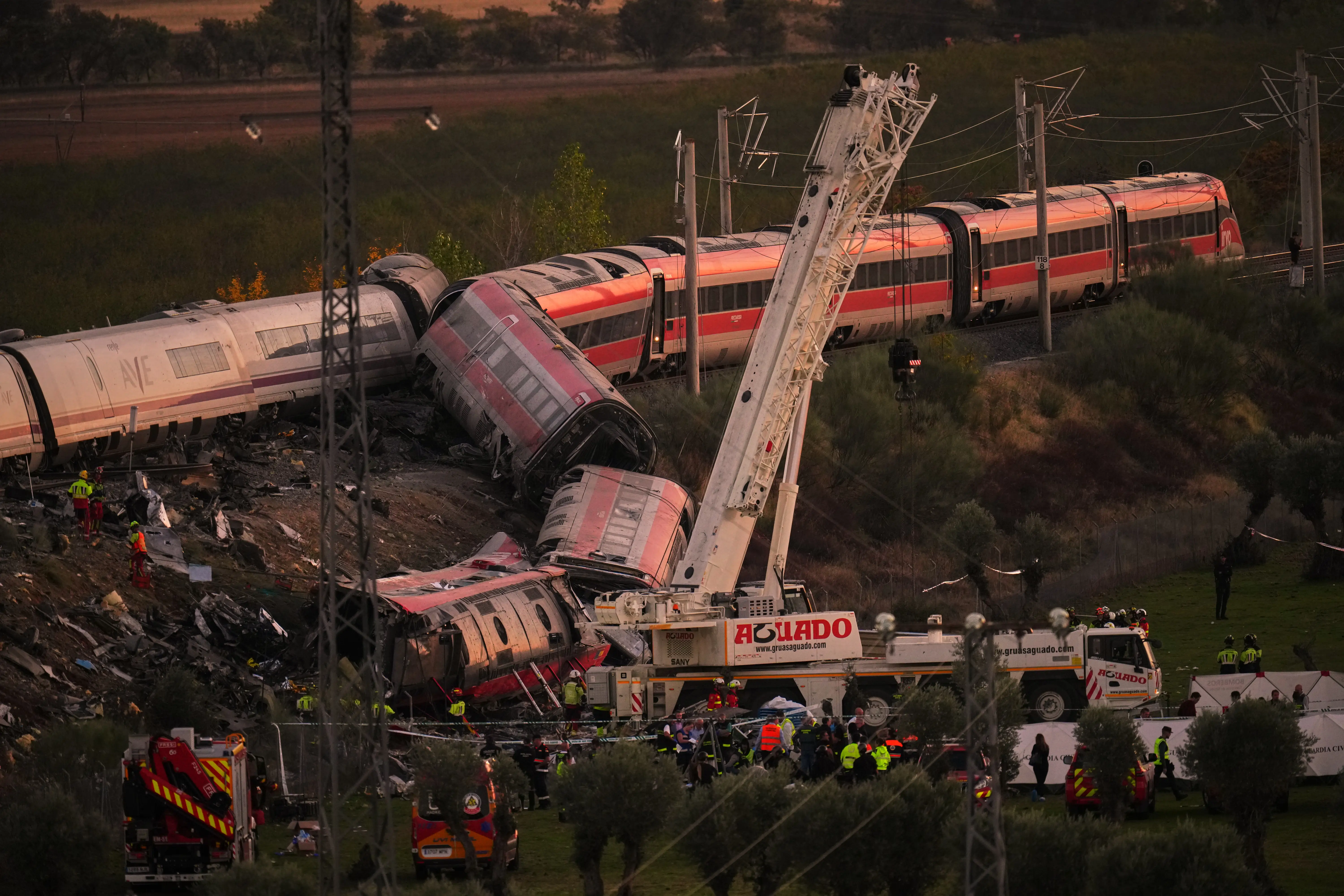
The tragedy in Spain, where one high-speed train collided with another from behind, resulting in 68 fatalities, marks a grim second chapter in a year already marred by rail accidents. The sheer scale of the loss of life has sent shockwaves through the nation, transforming a technical failure into a profound national crisis. The incident has not only claimed lives but also shattered the public's trust in the safety of the country's modernized rail network, which was once a symbol of technological prowess and efficiency. The immediate aftermath has been one of grief and outrage, with families of the victims demanding accountability and systemic reform.
The underlying tension revolves around the management and maintenance of the rail infrastructure, particularly in the context of rapid expansion and increased traffic. Critics point to a culture of complacency and underfunding that has allowed safety protocols to be bypassed or ignored. The fact that this is the second major disaster in a short span suggests a systemic issue rather than an isolated incident. The political implications are severe, as the ruling government faces intense pressure to explain how such a preventable tragedy could occur. The opposition is seizing the moment to attack the government's competence and its handling of public safety, a theme that is likely to dominate the upcoming national election campaign.
The downstream consequences of this disaster are already being felt in the form of public protests and calls for a comprehensive overhaul of the rail safety framework. The economic impact is also significant, with potential disruptions to the rail network and a hit to the tourism industry, which relies heavily on the country's efficient transport links. The incident has also sparked a broader debate about the balance between speed and safety in infrastructure development. In the long term, this tragedy may lead to stricter regulations, increased investment in safety technologies, and a more transparent approach to incident reporting and management. The human cost, however, is immeasurable, and the scars of this disaster will linger for years to come.
Comments 0