Squash Legend Saurav Ghosal Evaluates India's Competitive Edge Ahead of Asian Games
Retired squash icon Saurav Ghosal analyzed India's medal prospects and systemic challenges as the nation prepares for the upcoming Asian Games. Transitioning from court competitor to analytical observer, Ghosal emphasized the necessity of grassroots infrastructure investment.
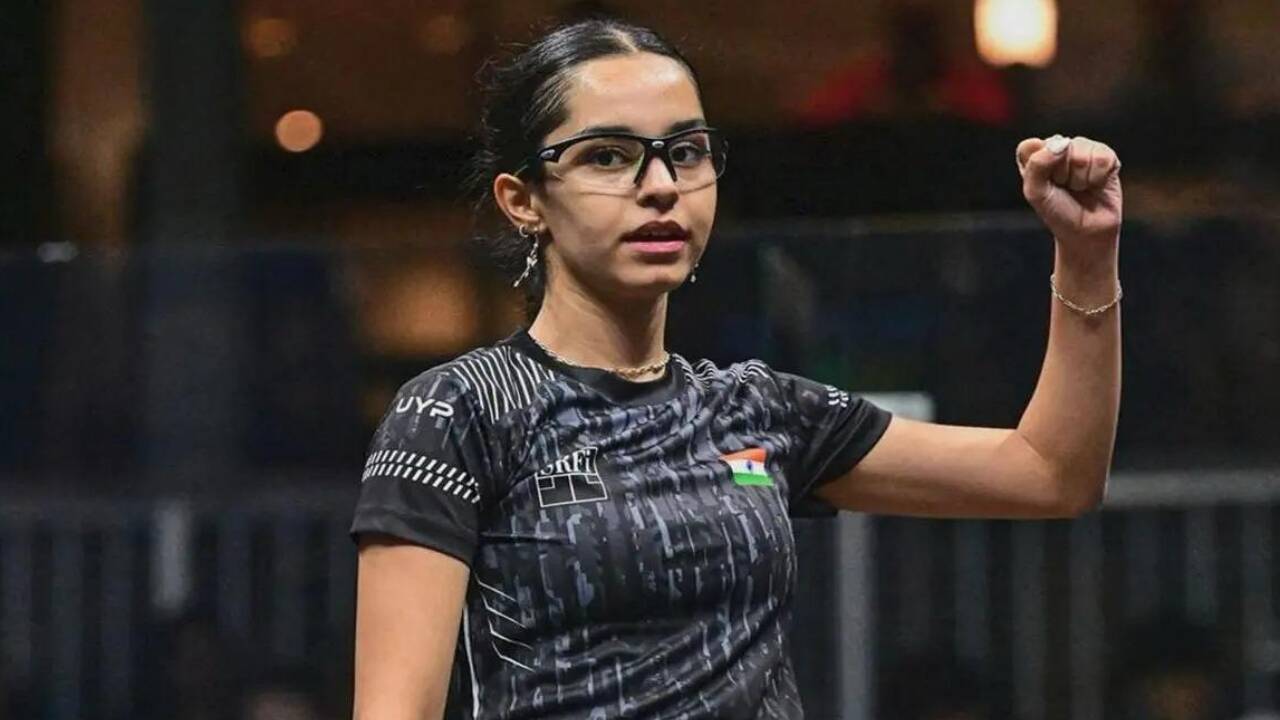
For the first time in over two decades, elite squash player Saurav Ghosal approached the Asian Games horizon without holding a competitive racquet. Drawing from a storied career that defined Indian squash for a generation, Ghosal offered a sober evaluation of the national team's readiness and structural bottlenecks. He identified the stark disparity in high-performance training facilities between metropolitan academies and tier-two cities as the single greatest impediment to sustained international success. The veteran athlete's critique cuts to the heart of India's broader sporting evolution, where individual brilliance frequently masks systemic neglect at the development level. While urban centers produce world-class talent, the absence of standardized coaching pipelines and sports science integration outside major hubs stunts the growth of rural prodigies. Ghosal emphasized that government financial incentives must shift from reactive cash prizes for medalists toward proactive funding of grassroots academies and coaching certification programs. The immediate impact of these insights lies in shaping the training methodologies and mental conditioning of the current national squad heading into continental competition. Sports administrators face mounting pressure to incorporate veteran expertise into national selection and training boards rather than relying solely on bureaucratic oversight. Over the next Olympic cycle, the adoption of structured high-performance frameworks will dictate whether India can convert raw athletic potential into dominant international medal tallies.
Comments 0