SRFTI protest: Registrar says administration will address parents’ concerns amid ongoing student agitation
Students at the Satyajit Ray Film and Television Institute have been holding a sit‑in protest over campus issues. The institute registrar has promised that the administration will meet parents to address their concerns.
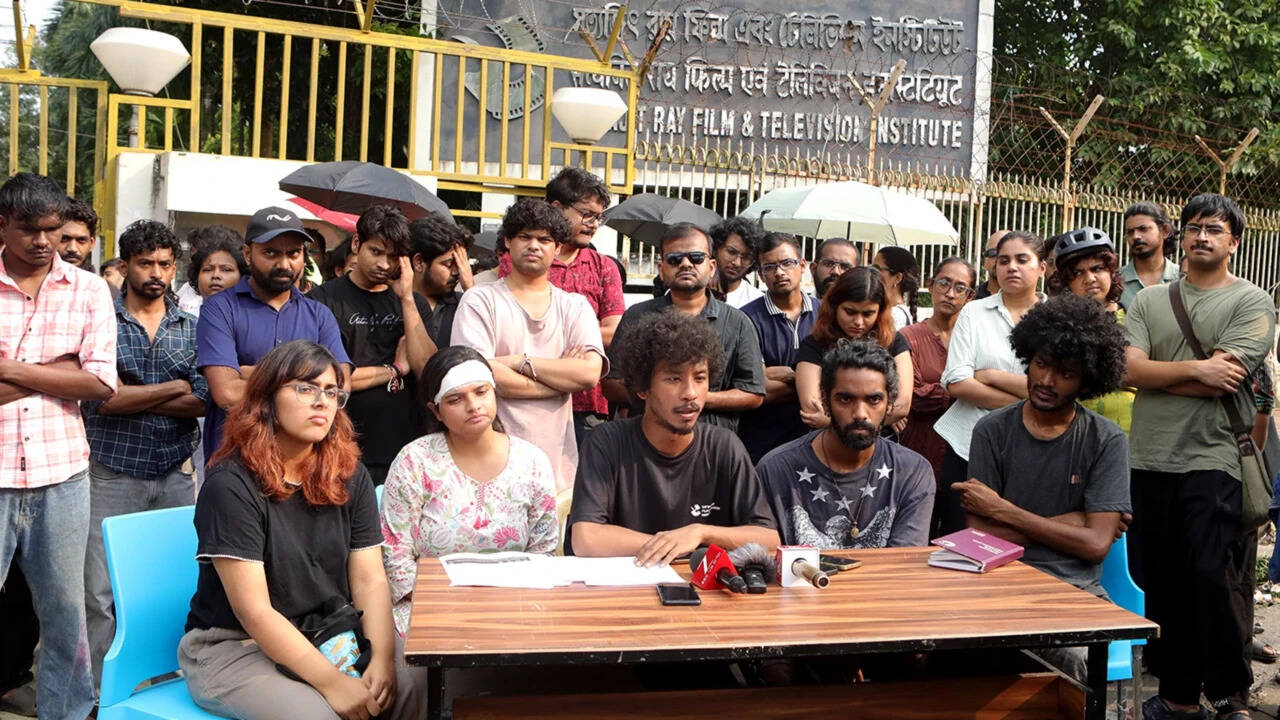
Students at the Satyajit Ray Film and Television Institute (SRFTI) began a sit‑in protest last week after a series of grievances were raised regarding campus facilities, fee structures and academic scheduling. The demonstration has involved several batches of students occupying the main courtyard, chanting slogans and presenting a list of demands to the institute authorities. Their actions have drawn attention from local media and have kept the campus largely closed to regular classes, prompting a broader discussion about student rights in higher education institutions across the country.
Parents of the protesting students gathered outside the institute gates on Saturday, voicing worries about the impact of the unrest on their children's education and safety. They also raised concerns about the transparency of fee revisions and the adequacy of hostel accommodations. In response, the registrar issued a statement saying that the administration acknowledges the parents' anxieties and will arrange a formal meeting within the next few days to discuss possible solutions. The registrar emphasized that the institute is committed to maintaining a supportive learning environment while also ensuring that any policy changes are communicated clearly to all stakeholders.
The episode at SRFTI reflects a wider pattern of student activism in Indian higher education, where disputes over fees, infrastructure and governance often lead to prolonged protests. For readers in India, the outcome of this situation may influence future policy debates on how universities balance financial sustainability with student welfare. The promised dialogue between the administration and parent representatives could set a precedent for more collaborative conflict resolution in academic settings, and observers will be watching closely to see whether the institute can restore normal operations without further escalation.
Comments 0