Stalin's Return to Kolathur: The DMK's Strategic Gamble in Tamil Nadu
The death of a key DMK leader has opened the Kolathur bypoll, prompting calls for Chief Minister MK Stalin to contest the seat personally. This move would signal a direct confrontation with the BJP and TVK alliance, turning a local election into a referendum on the state's political future.
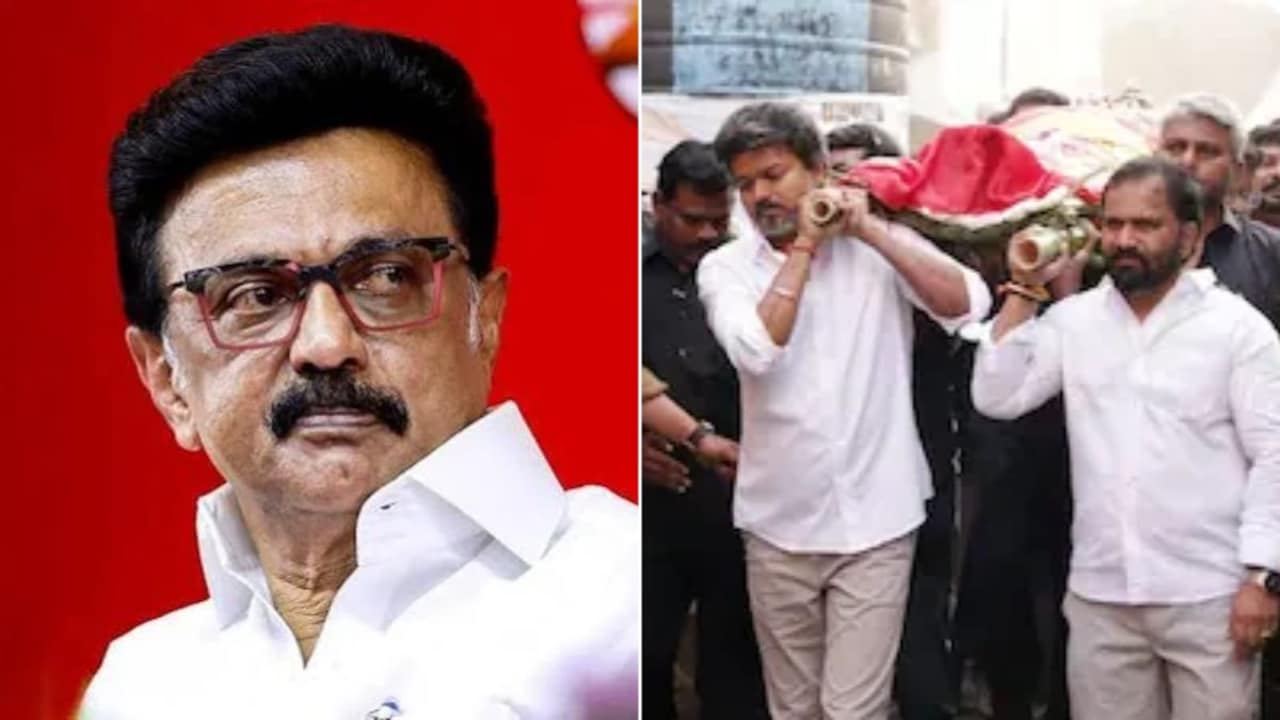
The political in Tamil Nadu has shifted with the sudden vacancy in the Kolathur constituency, a seat that has become a flashpoint in the state's evolving electoral dynamics. With the incumbent MLA deceased, the DMK faces a critical decision: whether to field a local candidate or deploy its chief minister, MK Stalin, to contest the bypoll. Voices within the party, including MP C Ravindran, have urged Stalin to take the field, arguing that his presence is necessary to consolidate the party's base and counter the rising influence of the BJP and the TVK alliance. This potential move represents a significant escalation in the political stakes, transforming a routine bypoll into a high-profile contest for the soul of the state's left-leaning coalition.
The underlying tension in this decision stems from the DMK's need to project strength and unity in the face of a fragmented opposition. Stalin's previous reluctance to contest bypolls, preferring to manage from the top, is being challenged by the urgency of the moment. The Kolathur seat, historically a bastion of the DMK, has seen erosion in recent years, making it a symbolic and strategic prize. By entering the fray, Stalin would not only secure the seat but also send a clear message to the electorate that the party is prepared to defend its core territories with its highest profile. This institutional friction between the party's leadership and its grassroots demands for a stronger presence is now coming to a head, with the bypoll serving as the arena for this internal debate.
The tangible outcome of Stalin's potential entry into the Kolathur race would be a reshaping of the state's political map. A victory would bolster the DMK's morale and provide a platform for the party to launch a broader offensive against the BJP, which has been making inroads in Tamil Nadu. Conversely, a defeat could embolden the opposition and weaken the DMK's hold on power. The decision also has implications for the party's internal dynamics, as it tests the loyalty and ambition of other leaders who may have aspired to contest the seat. The bypoll, therefore, is not just about winning a constituency but about defining the trajectory of the DMK's rule in the years to come, with the stakes extending well beyond the immediate electoral victory.
Comments 0