Starvation by Bureaucracy: Delayed Payments Halt Midday Meals in Bihar
Government schools in Rohtas and Kaimur districts are facing a collapse in nutrition services as vendors withhold food due to prolonged non-payment. This administrative failure directly impacts the health and attendance of students, turning a welfare scheme into a source of institutional neglect.
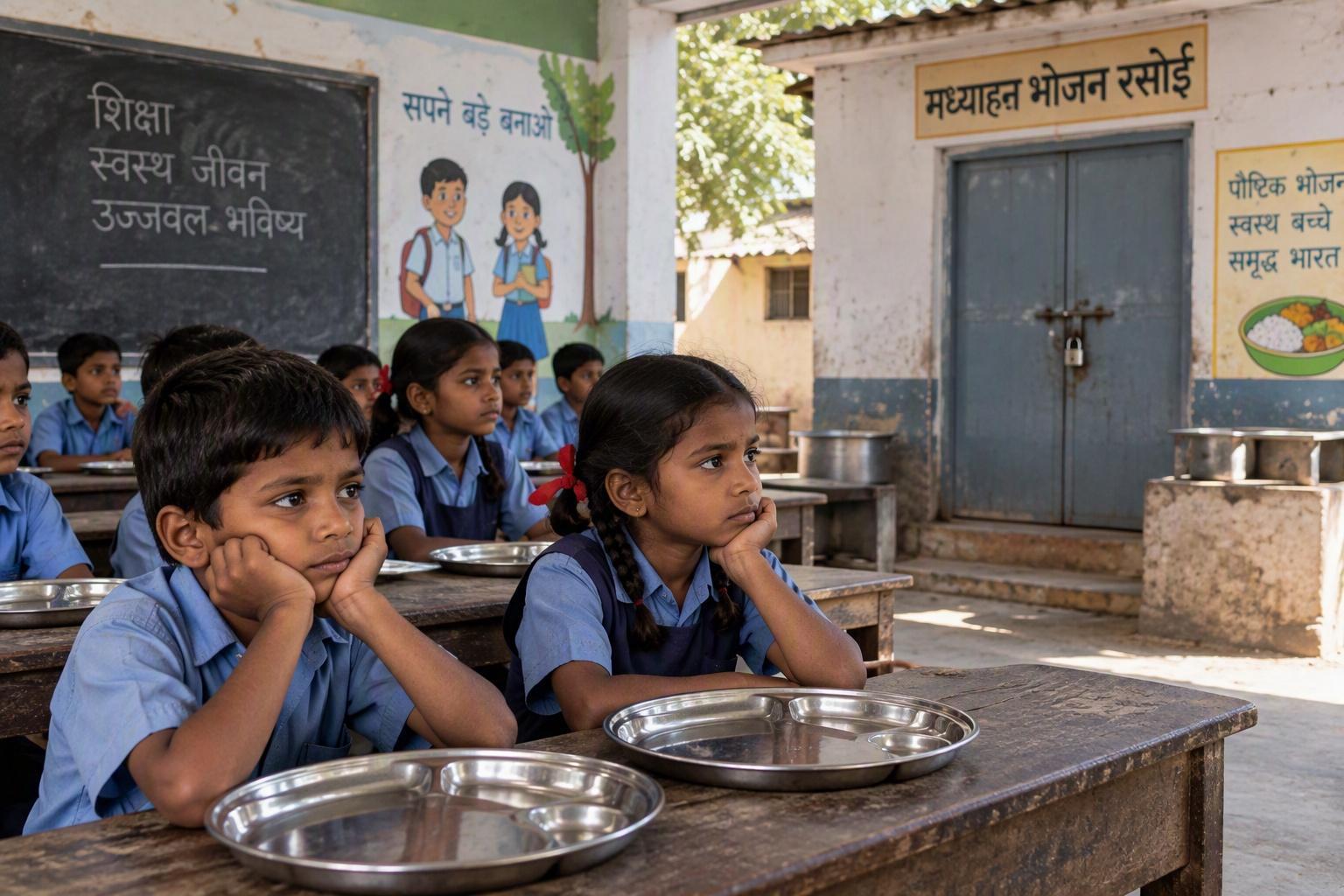
The midday meal scheme, designed to combat malnutrition and ensure school attendance, has stalled in parts of Bihar not due to a lack of political will, but due to a cash flow crisis in the administrative pipeline. Vendors in Rohtas and Kaimur have stopped supplying food, citing delayed payments from the state government. The result is an empty plate for millions of children, a direct consequence of fiscal mismanagement at the district level. The underlying tension lies in the disconnect between central government mandates and state-level financial execution. While the policy framework is robust, the implementation machinery is fragile, relying on timely fund transfers that are frequently disrupted by bureaucratic bottlenecks. This incident highlights how a simple delay in treasury disbursement can unravel a complex social safety net, leaving the most vulnerable population without basic sustenance. The immediate casualty is the physical well-being of schoolchildren, who are now dependent on irregular or absent nutrition. The downstream effect is a potential rise in dropout rates and long-term health deficits, which will ultimately burden the state's healthcare and educational systems. This failure serves as a warning that without strict accountability mechanisms for fund release, social welfare schemes remain at the mercy of administrative inertia.
Comments 0